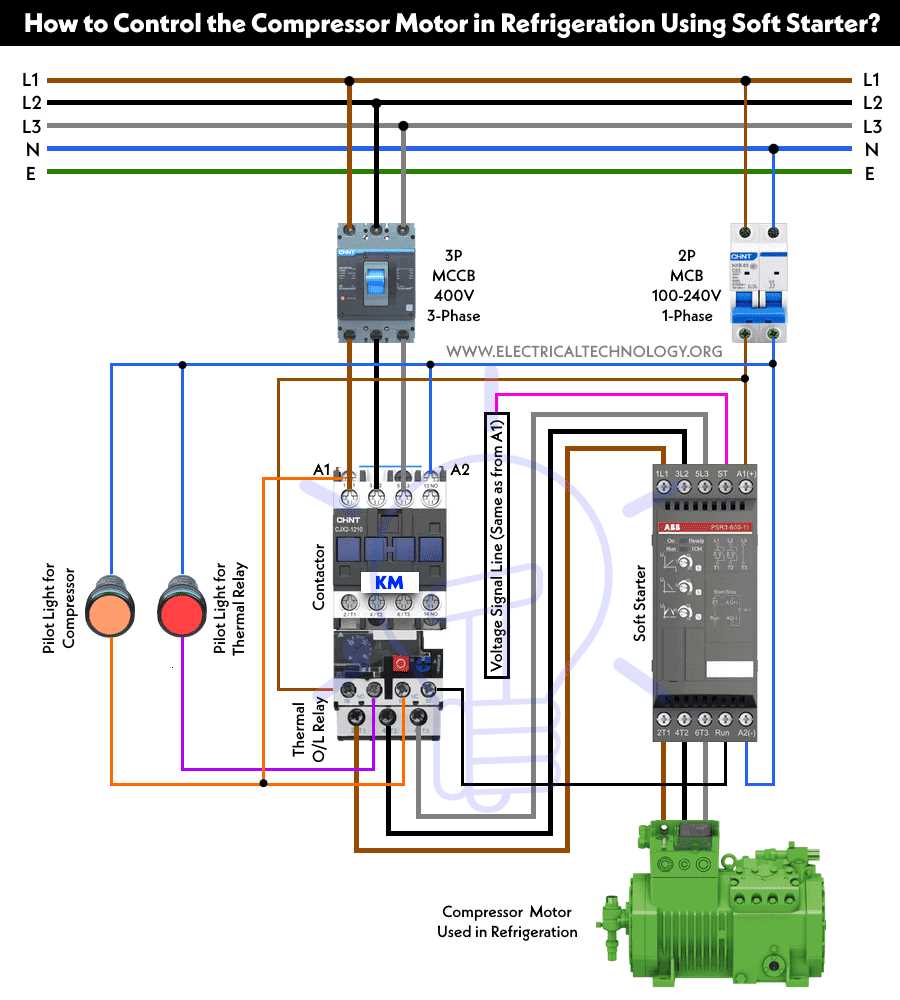
Ensure power is fully disconnected before connecting terminals to avoid shorts or motor damage. Use a multimeter to confirm zero current across all leads.
Identify start and run connections clearly by labeling each terminal. Motors typically have three key points: run, start, and common. Misidentifying these can prevent the unit from operating or trigger thermal overloads.
Use correct gauge connectors rated for the amperage specified on the unit’s nameplate. Undersized conductors can overheat, while oversized terminals may loosen and create intermittent faults.
Check the overload protector continuity before energizing the unit. This device safeguards against sustained overcurrent conditions that can burn out the motor windings.
Plan the path of leads to avoid tight bends and mechanical stress. Keep all connections accessible for maintenance and ensure screws and clamps are torqued according to manufacturer specifications.
Compressor Electrical Connection Overview
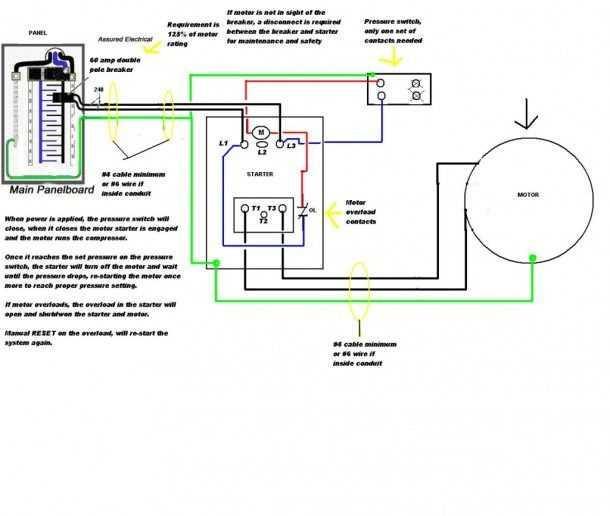
Disconnect all power sources before attaching terminals to prevent accidental shorts and damage to the motor. Verify with a voltage tester that the lines are inactive.
Identify each terminal correctly–most motors include start, run, and common points. Misconnection can prevent startup or trigger the overload switch.
Use connectors rated for the motor’s current to maintain safe contact. Undersized connections may overheat, while loose connections can spark or cause intermittent operation.
Inspect the overload protector before energizing the unit. Ensure continuity across the device; this component prevents sustained overcurrent that could burn out windings.
Line and Load Terminals
Attach the supply lines securely to the line terminals, following polarity indicated on the motor plate. Tighten screws according to torque specifications to avoid vibration loosening.
Route the output leads carefully to minimize sharp bends and mechanical strain. Use cable clamps or conduits to protect against abrasion and accidental disconnection.
Grounding and Safety
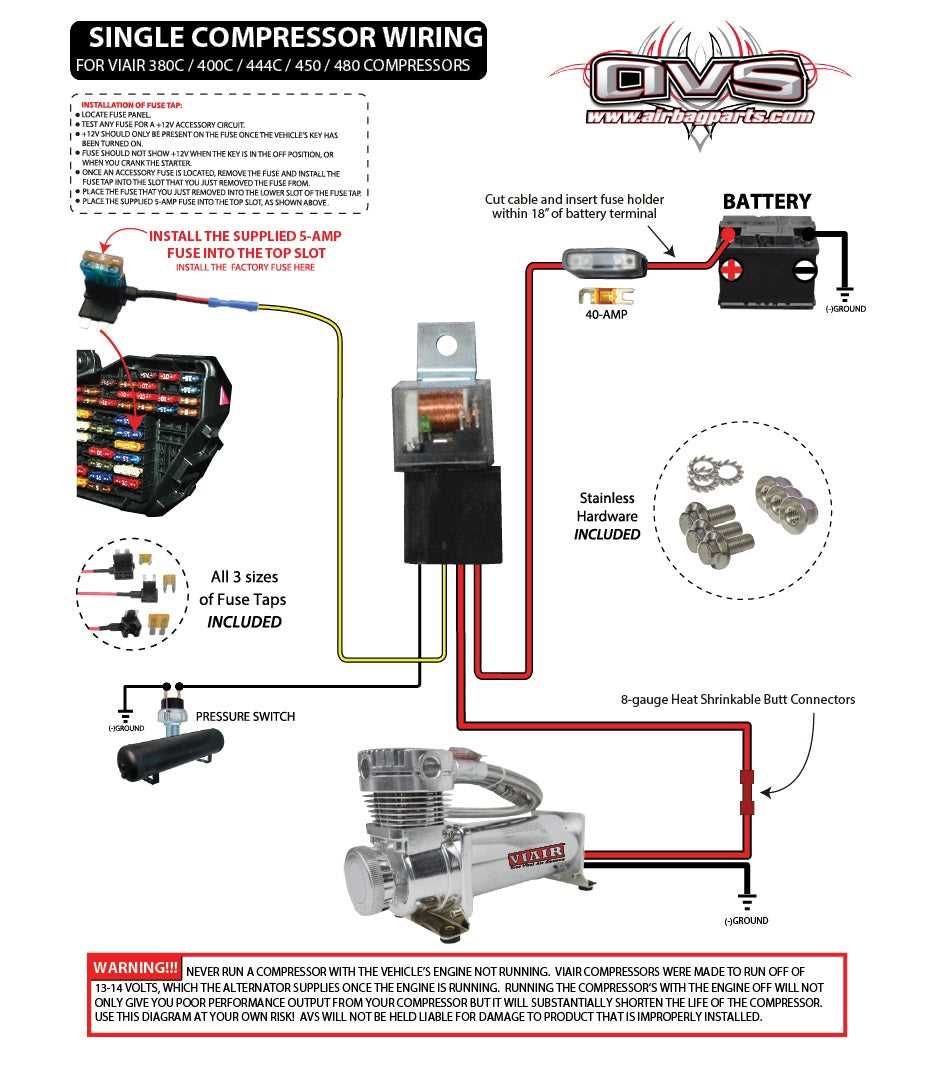
Connect the protective earth directly to the frame lug. This ensures that in case of insulation failure, current is safely diverted to ground, reducing shock hazard and motor damage risk.
Double-check all connections before reapplying power. Verify that the motor spins freely and that control devices such as contactors and relays operate correctly under test conditions.
Locating and Identifying Terminals on Compressor Motors
Begin by removing the access cover on the motor junction box. This exposes all connection points and allows visual inspection of terminal labels and physical orientation.
Look for stamped or printed markings near each post. Most motors label the start, run, and common points clearly; these identifiers determine correct lead placement and prevent misconnection.
Use a multimeter to verify continuity between terminals. Confirming which points are connected internally helps distinguish start and run connections, especially when markings are worn or faded.
Document the layout with a quick sketch or photograph. This record aids in reassembly and future maintenance, reducing the risk of reversing connections or damaging insulation.
Check terminal screws and connectors for corrosion or loose fittings. Clean contacts ensure proper current flow and reduce the likelihood of sparking during operation.
Confirm physical accessibility of each terminal before applying power. Ensure no cables are pinched, and all leads are adequately separated to avoid short circuits under vibration or thermal expansion.