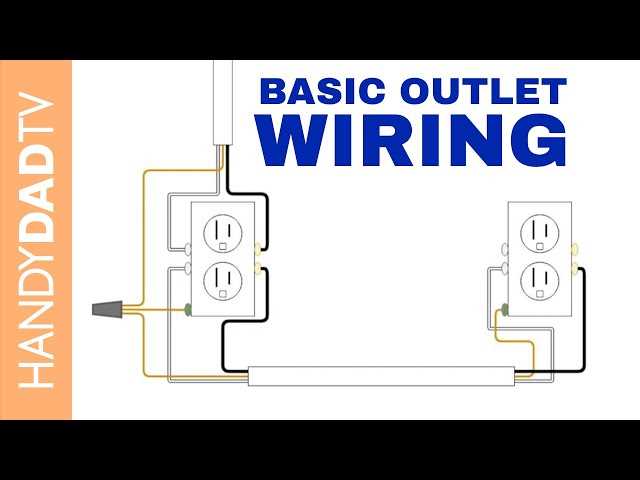
Ensure the main breaker is switched off before handling any electrical terminals. Confirm that the hot, neutral, and ground lines are correctly identified using a voltage tester to prevent accidental shocks or short circuits.
Match each conductor to its corresponding terminal according to color coding: typically black or red for live, white for neutral, and green or bare for ground. Secure each connection firmly to avoid loose contacts that can cause overheating.
Use insulated tools and avoid over-tightening screws to prevent damage to the connectors. Double-check that the metal prongs inside the socket are properly aligned and that insulation on wires is intact to maintain safe current flow.
Test the assembled socket with a multimeter or a dedicated outlet tester before restoring power. Confirm that voltage readings are within expected limits and that there are no reversed connections.
Label each line and terminal for future maintenance or upgrades. Accurate labeling reduces errors when adding additional sockets or troubleshooting electrical issues in the home.
Practical Guide for Safely Connecting and Using Plug Outlets
Turn off the main power supply before handling any socket connections. Verify that no residual voltage exists with a tester to avoid shocks during installation.
Identify each conductor correctly using standard color codes: live wires are typically black or red, neutrals are white, and grounding is green or bare. Connect each wire to the corresponding terminal securely.
Inspect metal contacts for corrosion or damage before assembly. Bent or oxidized prongs can prevent proper contact, increasing resistance and heat buildup.
Use insulated tools and secure screws without over-tightening. Ensure wire insulation is not pinched under terminals to maintain uninterrupted current flow and prevent short circuits.
Test connections with a multimeter or a dedicated socket tester before restoring power. Check voltage and polarity to confirm correct installation and safe operation.
Regularly maintain and monitor installed sockets by checking for loose fittings or overheating signs. Replace any worn or damaged components immediately to sustain long-term safety and reliability.
Identifying Terminals and Matching Electrical Lines
Locate and label each terminal before connecting any conductors. Use clear markers or tags to differentiate live, neutral, and ground points for precise alignment.
Follow standard color codes when pairing conductors with terminals:
- Black or red lines connect to live terminals.
- White lines connect to neutral terminals.
- Green or bare lines connect to grounding terminals.
Check terminal integrity for wear, oxidation, or loose screws. Damaged connectors can cause arcing or overheating, compromising safety and performance.
Use appropriate tools to fasten conductors firmly without cutting or stripping excessive insulation. Ensure each line is fully seated under the terminal clamp for stable contact.
Verify continuity and polarity using a multimeter after connecting all conductors. Confirm correct alignment to prevent short circuits and maintain safe, reliable operation over time.