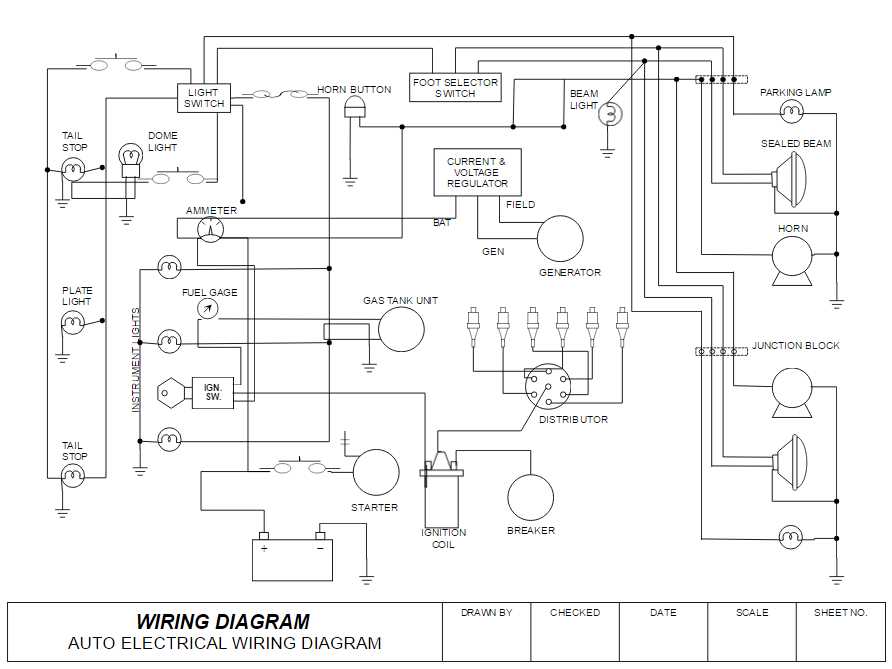
Use a clear schematic layout before assembling any electronic board. A well-structured electrical scheme shows how power sources, resistors, switches, and semiconductors connect through conductive paths. This visual structure allows quick identification of voltage routes, current flow, and component polarity.
Basic learning projects often rely on small DC supplies between 3V and 12V. A simple LED setup normally includes a diode connected in series with a 220–1,000 ohm resistor depending on supply voltage. The resistor limits current, protecting the diode junction from damage while maintaining stable light output.
Another common layout uses a push button placed between the power source and load. When the switch closes, current flows through the conductor path and activates the connected device such as a buzzer or indicator lamp. This configuration demonstrates control of electrical flow through mechanical contacts.
Relay control schemes extend this concept by using a small control current to activate a magnetic coil. Once energized, internal contacts switch a separate load line rated for higher current. This method allows a low-power signal from a microcontroller or sensor to operate motors, lamps, or other equipment.
Rectifier power modules appear in many electronic boards. A bridge made of four diodes converts alternating current into pulsating direct current. After this stage, an electrolytic capacitor with values around 470 µF to 2200 µF smooths the voltage. The result supplies stable DC for amplifiers, sensors, or logic chips.
Common Circuit Diagram Examples for Basic Electronics Projects and Devices
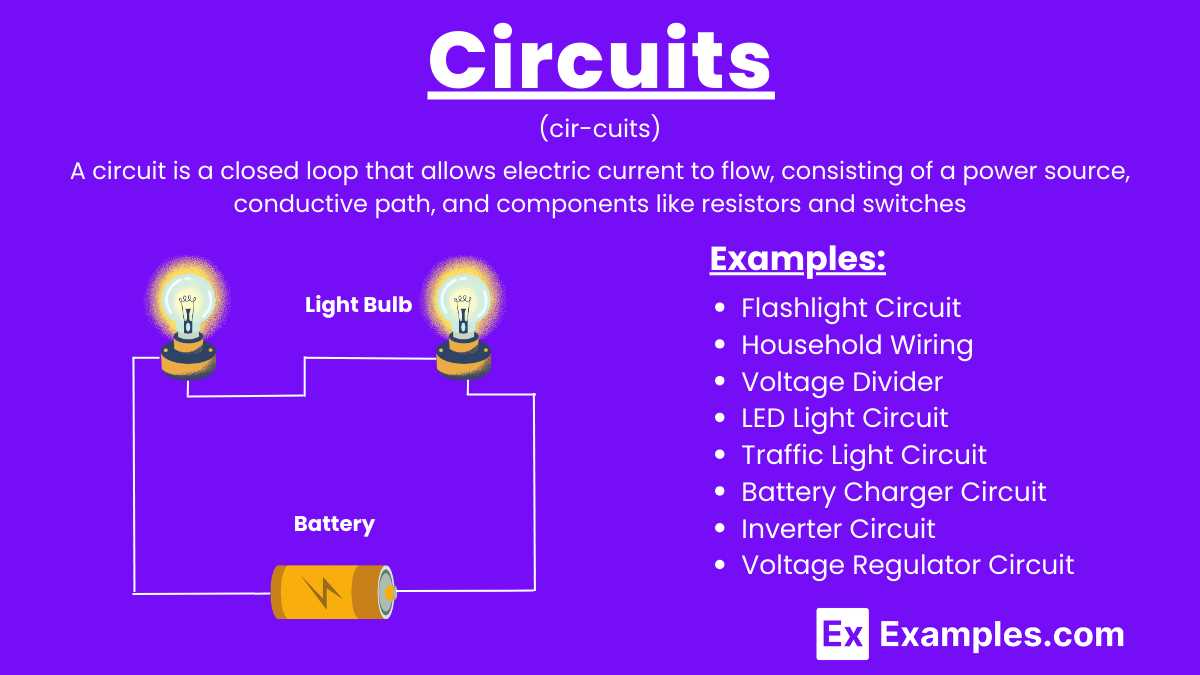
Use a simple LED indicator layout as the first learning project. Connect a light-emitting diode in series with a resistor between the positive supply and ground. With a 5V source, a 330 Ω resistor keeps current near 10–12 mA, which suits most standard LEDs. The anode connects to the resistor side, while the cathode points toward ground.
Construct a push-button control line to understand manual switching. The supply line passes through a momentary button before reaching the load. When pressed, electrical flow activates a buzzer or indicator lamp. This layout teaches how mechanical contacts interrupt and restore current flow within a basic electronic path.
Relay Control Layout for Higher Loads
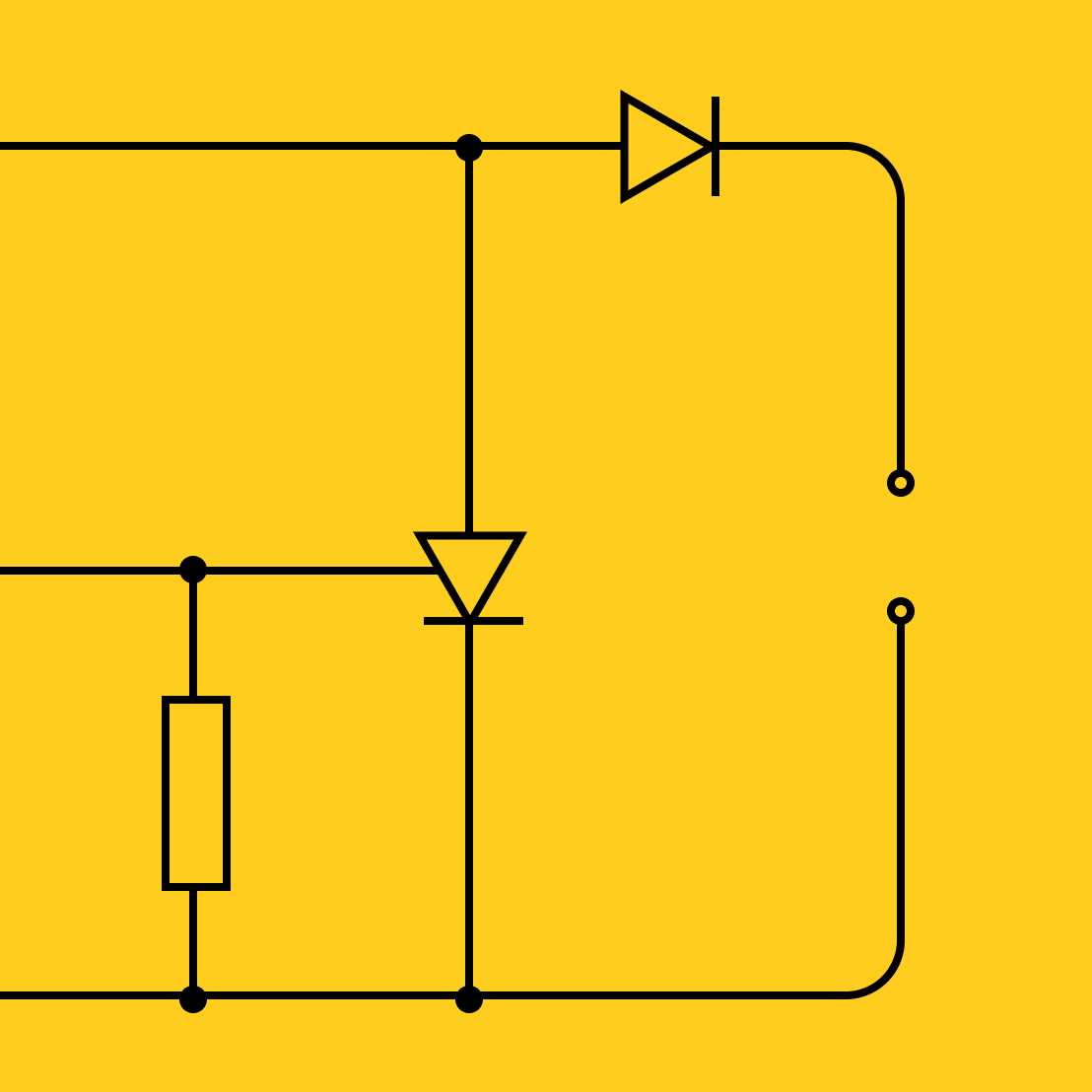
A relay coil driven by a small transistor stage allows a low-power signal to operate larger devices. A typical setup uses an NPN transistor such as 2N2222, a base resistor around 1 kΩ, and a relay coil rated for 5V or 12V. A flyback diode placed across the coil protects the transistor from voltage spikes produced when the magnetic field collapses.
Create a simple audio amplifier layout using an integrated chip like LM386. The input passes through a 10 µF capacitor into the chip input pin, while the output connects to an 8-ohm speaker. Supply voltage between 6V and 12V allows small portable audio modules to drive compact speakers.
Rectifier and Filter Power Layout
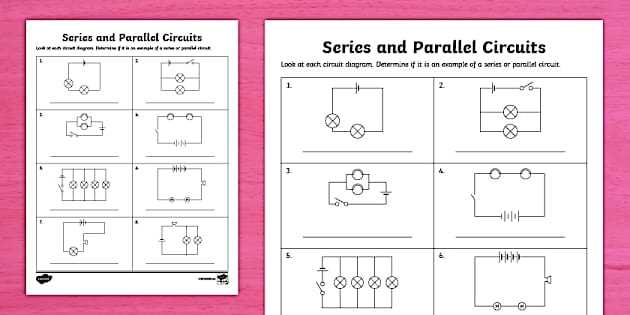
A small AC power unit uses four diodes arranged as a bridge to convert alternating current into pulsating DC. After rectification, connect an electrolytic capacitor rated between 470 µF and 2200 µF. This component smooths voltage ripple before the output reaches voltage regulators or amplifier stages.
Combine these layouts during practice projects such as sensor alarms, LED controllers, or small audio modules. Each arrangement demonstrates a specific electrical principle such as current limiting, switching, amplification, or AC conversion.
Simple LED and Resistor Circuit Layout Examples for Beginners
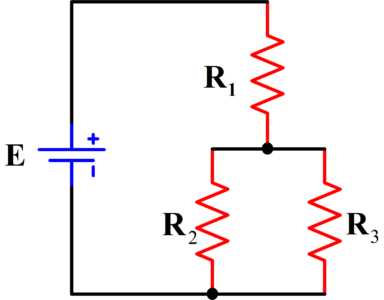
Connect a light-emitting diode in series with a resistor between the positive terminal of a DC supply and ground. This arrangement prevents excessive current from damaging the semiconductor junction. For a 5V source, a resistor between 220 Ω and 330 Ω maintains safe current near 10–15 mA for standard indicator LEDs.
Place the resistor on either side of the diode; electrical behavior remains the same because both components sit in the same conductive path. The longer lead of the diode marks the anode and connects toward the positive supply, while the shorter lead points toward ground.
Use a 3V battery pack with a 150 Ω resistor for small portable indicators. A red LED normally drops around 1.8–2.2 volts, leaving roughly one volt across the resistor. This produces a current close to 6–8 mA, bright enough for status indicators without overheating.
Increase resistance when the supply rises. With a 9V battery, a resistor near 680 Ω to 1 kΩ keeps the diode current within safe limits. Lower resistance values can push current above 20 mA and shorten diode lifespan.
Parallel lighting layouts require a separate resistor for each LED. Sharing one resistor across multiple diodes leads to uneven current distribution because forward voltage varies slightly between devices. Independent resistors keep brightness consistent.
Series LED chains operate differently. Two red LEDs connected one after another with a single resistor can run from a 9V source. Each diode drops about 2V, leaving roughly 5V across the resistor. A 470 Ω resistor produces about 10 mA through the chain.
Test brightness and current with a multimeter placed in series with the LED path. Readings between 5 mA and 15 mA suit most small indicator devices used on breadboards or learning boards.
Mount components on a solderless breadboard during early testing. Short jumper leads reduce connection mistakes and allow quick changes to resistor values while observing how current and brightness respond.