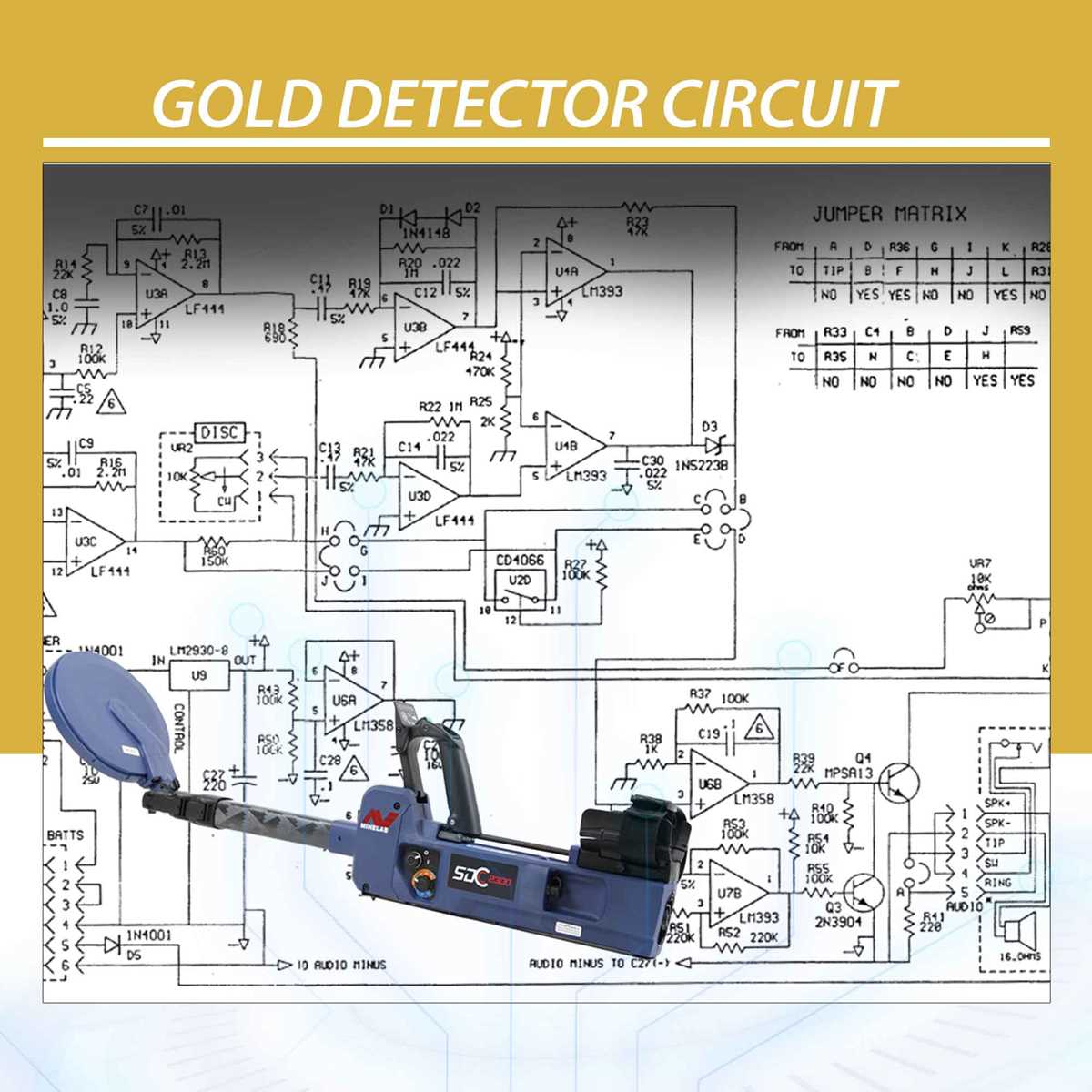
To construct a highly functional search system for locating buried objects, you need a strong understanding of the components that will form the core of your device. Begin with the transmitter coil, which sends out an electromagnetic field to detect conductive materials. The receiver coil will then pick up any changes in this field when a target is found, which is essential for locating metal objects underground.
You’ll need a frequency generator that powers the coils and a detection circuit that amplifies the signal when metal is present. It’s crucial to ensure the system is well-calibrated so that it accurately responds to objects of interest while ignoring unnecessary interference from the surrounding environment.
Ensure the power supply is reliable, as a stable power source ensures continuous operation. The output interface, such as a visual display or sound signal, alerts you to the presence of metal. Testing and calibrating these components will help you fine-tune the system for optimal performance over longer distances, allowing you to confidently locate buried items.
Long Distance Detection System Design
Start by selecting a high-frequency oscillator circuit to generate the electromagnetic waves needed for detecting objects. This oscillator will send out signals through the transmitting coil. Using a stable frequency is key for reaching greater depths and improving sensitivity. The frequency you choose will depend on the size of the items you’re detecting and the depth at which they’re buried.
Next, pair the oscillator with a receiver coil that can detect any disturbances caused by the presence of a conductive object. The receiver coil must be positioned to pick up the signals efficiently and should have an adequate size to match the transmitter coil. The signal received needs to be amplified using a high-gain amplifier for clear detection.
Power Supply and Signal Processing
A reliable power source is critical for maintaining consistent operation over extended periods. Use a stable battery with sufficient voltage to avoid interruptions in detection. The output signal, once amplified, should be processed through a filter to eliminate noise and enhance the clarity of the detected signal. The processor will then trigger an alert, either visual or auditory, depending on the design.
Fine-Tuning for Optimal Performance
After assembly, fine-tune the components to optimize the detection range and accuracy. You may need to adjust the sensitivity of the receiver circuit and check for interference from nearby electrical devices. Proper calibration ensures that the device can detect objects at greater distances while minimizing false positives.
Key Components for Building a Long Distance Detection System
The first crucial element in constructing an effective detection system is the transmitter coil. This coil is responsible for emitting electromagnetic fields that interact with buried objects. Its size, material, and the number of turns in the coil can significantly impact detection depth and accuracy. A larger coil generally covers more ground, but it may reduce sensitivity to smaller targets.
The receiver coil follows, which detects the changes in the electromagnetic field when an object is present. The receiver coil must be placed in close proximity to the transmitter coil for optimal functionality. The sensitivity of this coil determines how well the system picks up weak signals from deeper or smaller objects.
Frequency Oscillator and Signal Generation
A frequency oscillator is needed to generate a stable electromagnetic wave at a consistent frequency. This component controls the frequency at which the transmitter coil operates, directly affecting the detection range. Typically, a higher frequency is more effective for locating smaller objects at shallow depths, while lower frequencies are better suited for larger objects at greater depths.
Amplifier and Signal Processing
An amplifier is used to boost the signal received by the receiver coil. Once the coil detects a change in the electromagnetic field, the signal is weak and needs to be amplified for further processing. Using a high-quality amplifier ensures that even faint signals are strong enough for detection.
Next, a filtering circuit is used to eliminate unwanted noise from the system. Noise can come from external sources like electrical interference or from within the system itself. A filter helps clean the signal so that only the relevant changes caused by nearby objects are detected.
The power supply must be reliable to ensure the system runs continuously without interruption. A rechargeable battery or a portable power source is typically used to power both the transmitter and receiver circuits. The voltage and current ratings should be selected based on the power demands of the components.
Finally, an output interface is necessary to provide feedback to the user. This could be a visual indicator like an LED or a sound-based alert, such as a beeper or speaker. The user will need this interface to know when an object has been detected, as well as its relative strength or size.