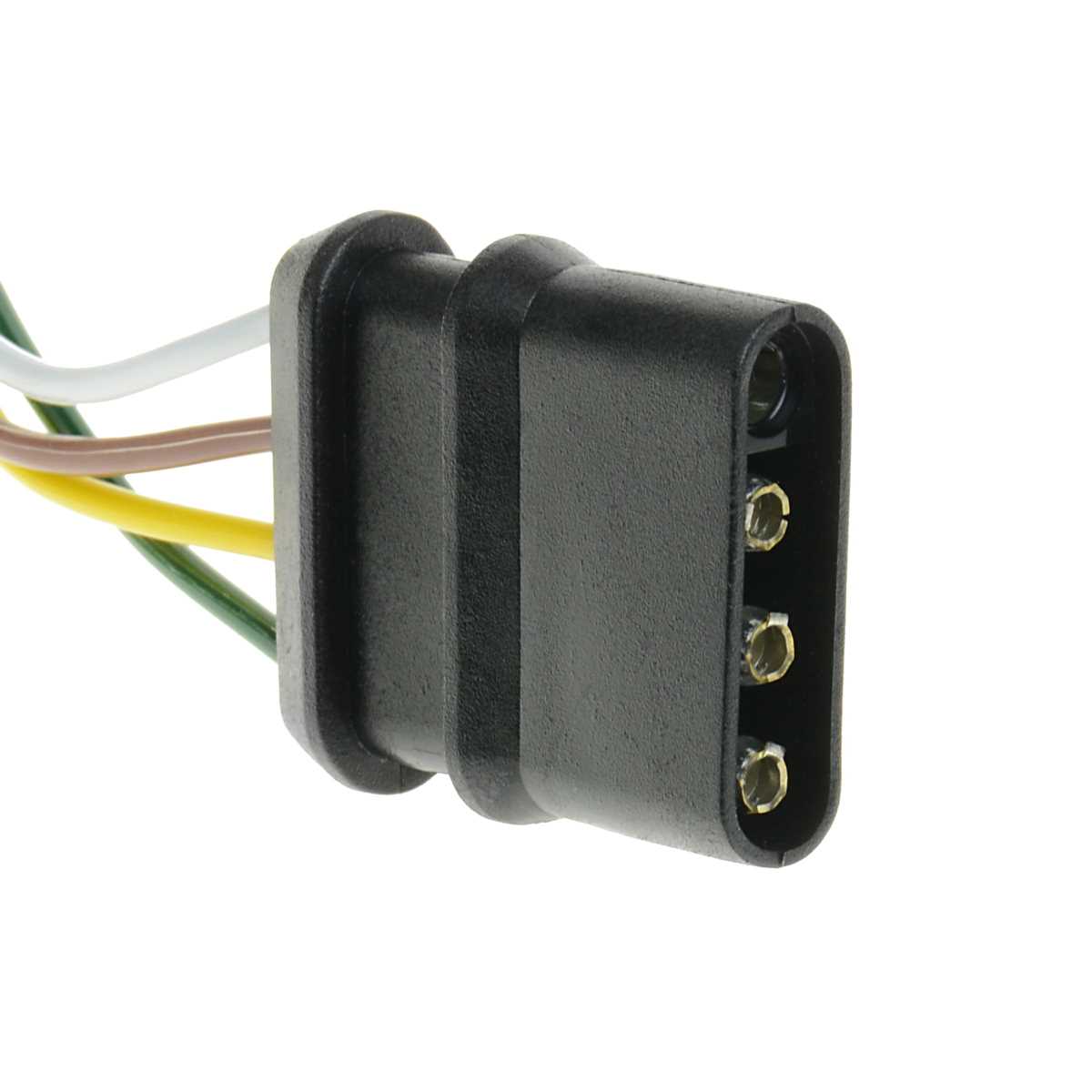
Match each cable to its corresponding function using the standard color code: white for ground, brown for tail lights, yellow for left turn, and green for right turn. Ensure all connectors are clean and corrosion-free before assembly.
Use insulated terminals and secure screws with 4–5 Nm torque to prevent loose contacts. Avoid over-tightening, which can damage the metal inserts or deform the housing.
Route lines to prevent pinching or rubbing against sharp edges. Maintain a separation of at least 25 mm from moving parts and hot surfaces to prevent insulation damage over time.
Test each connection with a 12V power source before final installation. Verify that turn indicators flash correctly, brake lights illuminate, and running lamps operate steadily under load.
Install a protective cover over the junction to prevent dirt and moisture ingress. Use dielectric grease on exposed terminals to minimize oxidation and extend component lifespan.
Label all cables near the connector using heat-resistant tags for easier identification during maintenance. Double-check the continuity of ground wires to ensure reliable return paths for current flow.
Check the main plug alignment before inserting into the socket. Misalignment can bend pins and cause intermittent contact, resulting in erratic signal behavior.
4 Prong Connector Setup Guide
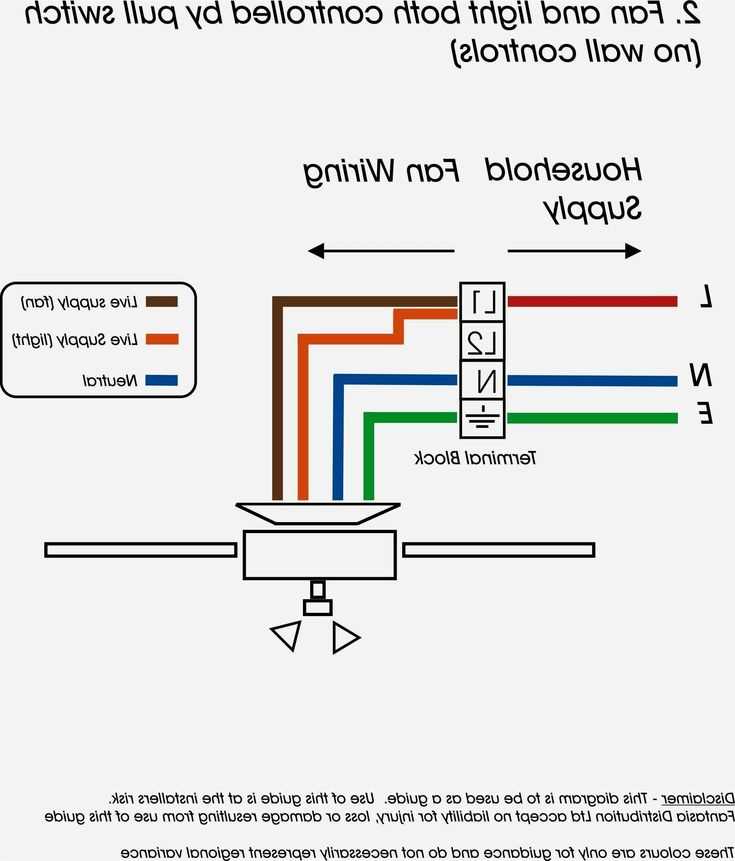
Identify each cable by color before making connections: white for ground, brown for running lights, yellow for left turns, and green for right turns. Confirm all ends are stripped to 6–8 mm and free of corrosion.
Insert wires fully into terminals and secure screws with 4 Nm torque. Loose connections can cause intermittent signals, while over-tightening may damage the metal inserts.
Route cables along the frame or mounting brackets to avoid contact with moving parts or exhaust components. Maintain at least 20 mm clearance from sharp edges to prevent insulation wear.
Test each line individually with a 12V power source. Ensure brake lamps illuminate steadily and turn signals flash at correct intervals under load conditions.
Apply dielectric grease to exposed contacts to reduce oxidation and improve conductivity. Cover connectors with a protective cap to prevent moisture and dirt intrusion.
Label each line near the plug using heat-resistant markers for future maintenance. Double-check ground continuity to ensure the return path is secure and free of corrosion.
Check alignment of the main connector before insertion. Misaligned pins can bend or break, leading to erratic light function and potential short circuits during operation.
Identifying Wire Functions and Color Codes

Start by matching each cable to its designated function according to standard color assignments. Proper identification prevents short circuits and ensures all lights operate correctly.
Common color codes include:
- White: Ground connection for return current
- Brown: Running or tail lights
- Yellow: Left-side turn signal and brake
- Green: Right-side turn signal and brake
Use a multimeter to verify each line before final connection. Check continuity between the plug end and the corresponding lamp or sensor to confirm proper function.
Label each cable near the main plug using heat-resistant markers. This practice reduces errors during installation or future maintenance and allows faster troubleshooting if a signal fails.
Separate signal lines from high-current leads by at least 25 mm to minimize interference. Twist pairs lightly to maintain signal integrity over longer lengths.
Inspect insulation for cracks, wear, or discoloration. Replace any damaged sections to prevent shorts, voltage drops, or intermittent operation that could compromise light signals.