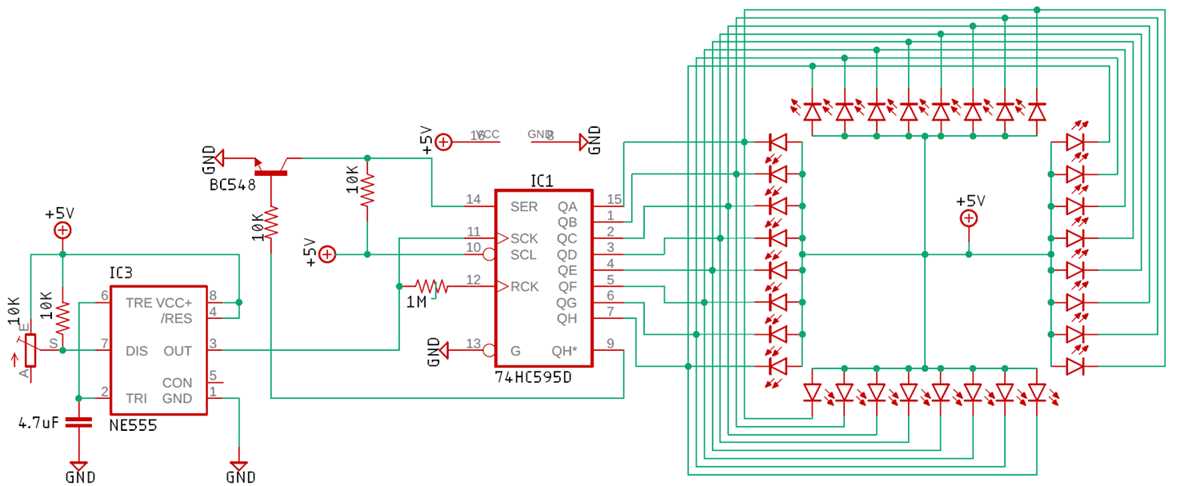
Use a 5-volt regulated source to power the modules to prevent overcurrent and heat buildup. Verify the voltage with a multimeter before attaching any components to maintain stable illumination.
Select resistors according to the forward voltage and current rating of each emitter. For a 5-volt supply, a 220-ohm resistor typically limits current to 20 milliamps for standard 2-volt units. Adjust values if using multiple modules in series or parallel.
Arrange each emitter on a breadboard or PCB with consistent polarity alignment. Connect the positive terminals to the supply and the negative terminals through current-limiting resistors to prevent reverse stress on the semiconductor junctions.
Ensure all connections are secure and insulated to avoid short circuits. Use heat shrink tubing or small terminal blocks to maintain separation between paths, especially in compact assemblies.
Test each path individually before powering the entire assembly. Observe brightness uniformity and check for any flickering, which may indicate loose connections or mismatched resistor values.
Replace any modules showing dimming or color shift under normal voltage. Faulty components can affect the performance of the remaining assembly and cause uneven illumination.
5v LED Assembly Connections
Connect the positive terminals of all modules to the 5-volt supply using insulated leads. Maintain correct polarity for each emitter to avoid reverse stress that can permanently damage the components. Check voltage at each node with a multimeter before completing the assembly.
Resistor Placement and Selection
- Choose resistors that limit current to 20 milliamps per unit for standard 2-volt modules.
- For multiple units in series, calculate total forward voltage and adjust the resistor to maintain constant current.
- Secure resistors close to the negative terminals to minimize voltage drops along the path.
Testing and Troubleshooting
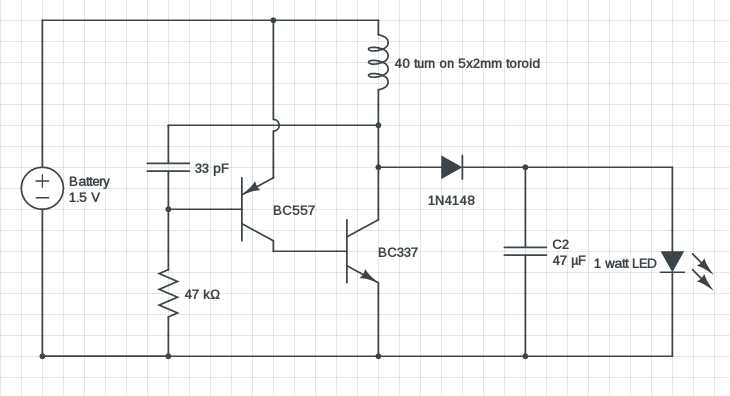
- Power each branch individually to verify brightness consistency.
- Observe any flickering or color shift, which may indicate loose connections or defective units.
- Replace malfunctioning components before integrating them into the complete assembly to ensure uniform illumination.
Selecting Components for a 5v LED Setup
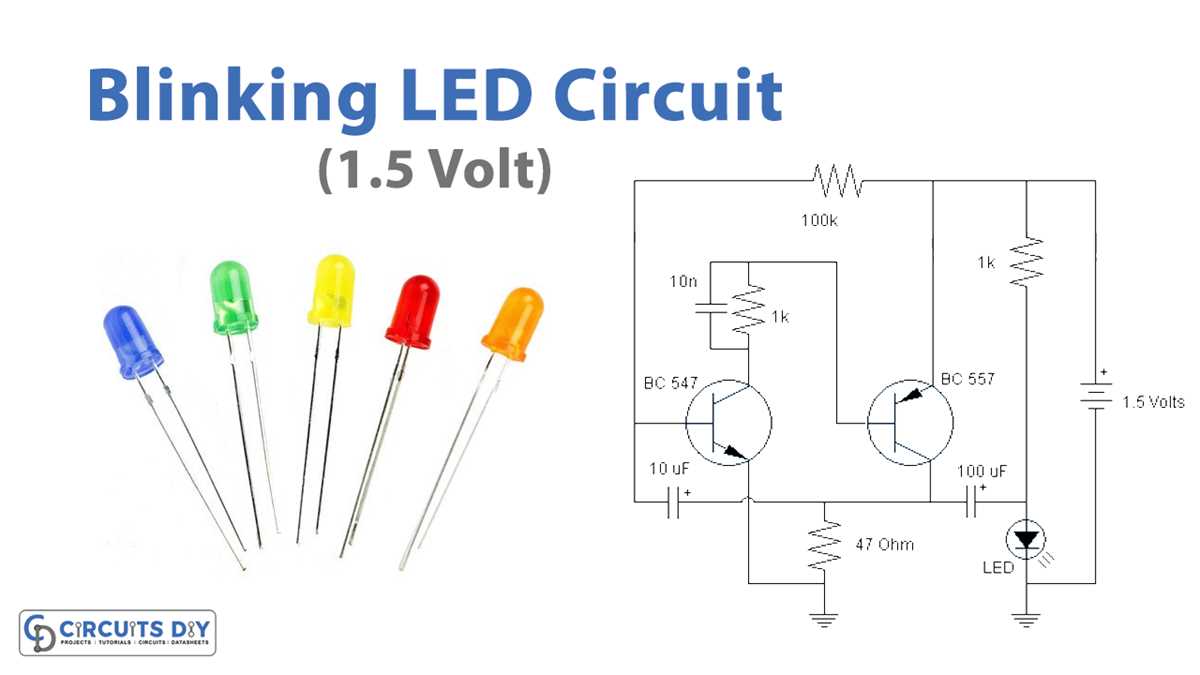
Choose a regulated 5-volt power source capable of supplying at least 50 milliamps per module. Using an unregulated supply can cause voltage spikes that reduce lifespan and cause inconsistent brightness across units.
Select emitters with a forward voltage of 2 to 3 volts and a maximum current rating of 20 milliamps. Higher-current units require additional resistors or current-limiting devices to prevent overheating.
Resistors should be calculated based on the voltage drop across each module. For a single 2-volt unit on a 5-volt supply, a 150-220 ohm resistor limits current to safe levels. Adjust resistance for series or parallel configurations to maintain uniform current distribution.
Use insulated connectors or terminal blocks for all connections. Soldering directly to the leads is possible but may stress the semiconductor junction if excessive heat is applied. Keep leads short to minimize voltage drops and signal loss.
Test each module individually before integrating into the full assembly. Measure current draw and check brightness; any unit drawing more than 25 milliamps or showing uneven color should be replaced immediately.
Consider small heat sinks or ventilation for high-density assemblies. Even at low current, multiple modules closely packed can raise local temperatures, which can accelerate degradation and reduce overall performance.