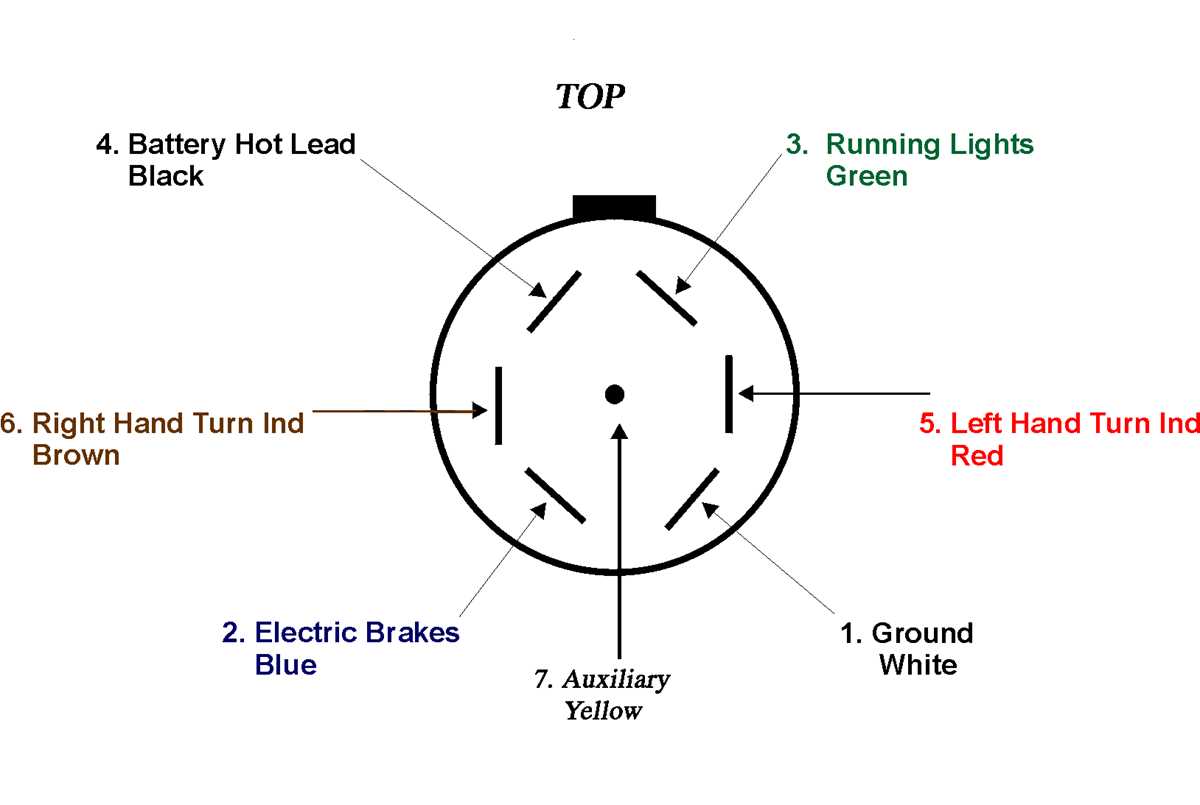
Match each wire to its corresponding terminal according to color codes: brown for tail lights, yellow for left turn, green for right turn, white for ground, blue for brakes, red for auxiliary, and purple for reverse lights. Incorrect connections can cause malfunction or short circuits.
Use a multimeter to verify continuity before attaching plugs. Test each function individually to ensure signals reach lamps and brake controllers accurately. This step prevents blown fuses and erratic lighting behavior during operation.
Secure all connections with corrosion-resistant terminals and apply dielectric grease to prevent moisture intrusion. Loose or oxidized contacts can lead to intermittent failures that are difficult to diagnose on the road.
Label wires clearly and route them along the frame to avoid chafing against sharp edges or moving parts. Maintaining organized harnesses reduces the risk of shorts and ensures long-term reliability for towing applications.
Connector Pin Layout and Electrical Setup for Seven Circuit System
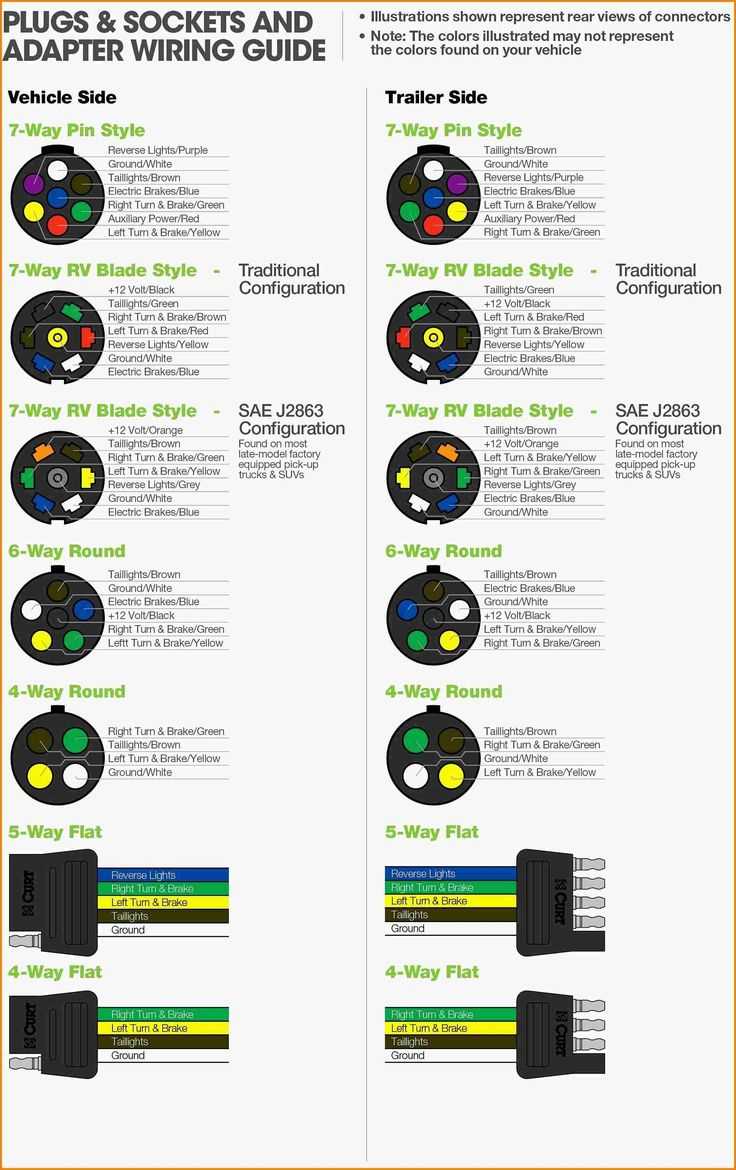
Connect each wire to its designated terminal following standard color coding: brown for running lamps, yellow for left indicator, green for right indicator, white for ground, blue for electric brakes, red for auxiliary power, and purple for reverse lights. Incorrect attachment can result in blown fuses or non-functional signals.
Verify all connections with a multimeter before securing plugs. Measure continuity between terminals and lamps to confirm proper flow. Testing each circuit individually reduces troubleshooting time and prevents accidental short circuits.
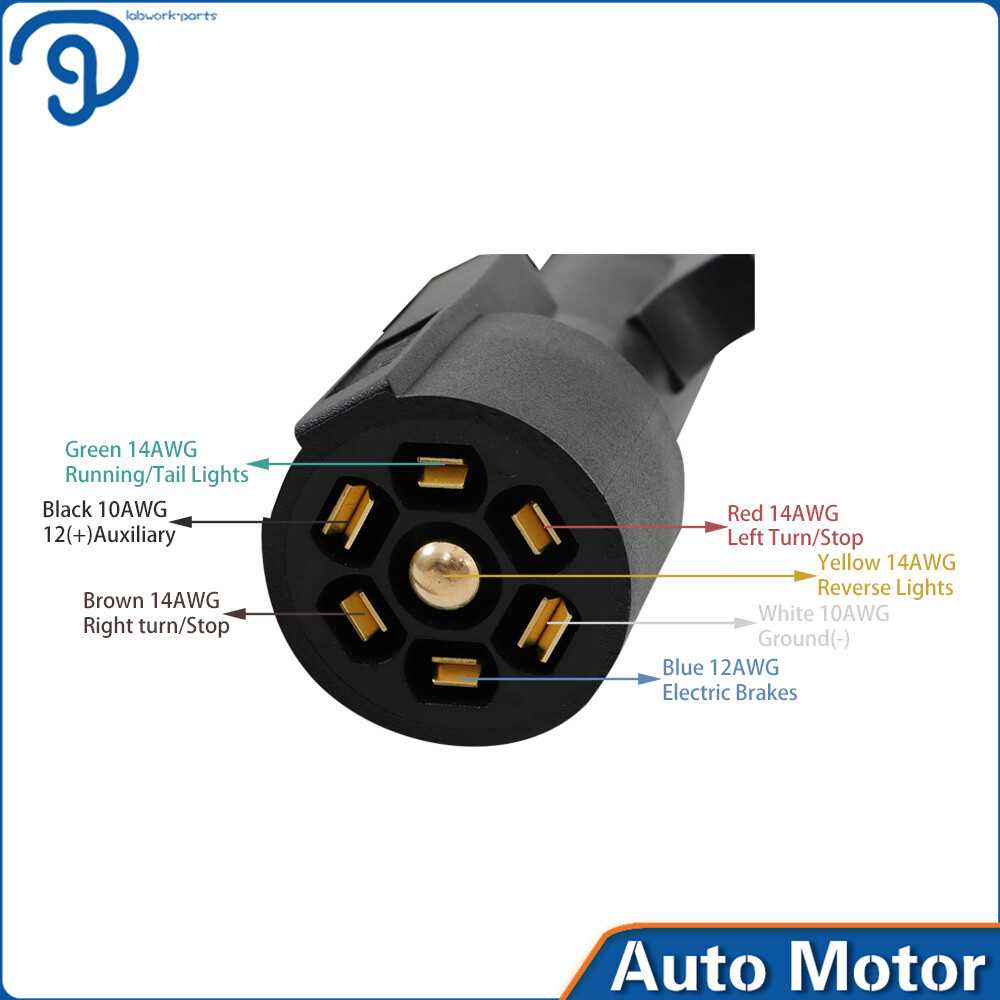
Use heat-shrink tubing or insulated crimp connectors to protect exposed conductors. Moisture or vibration can loosen contacts over time, causing intermittent faults that may not appear immediately.
- Route wires along the frame rails to avoid sharp edges
- Secure with cable ties at regular intervals to prevent sagging
- Keep brake and signal lines separated from high-current power cables
Check polarity on auxiliary and brake circuits to ensure the power supply matches the expected direction. Reversing these connections can damage brake controllers or lighting modules.
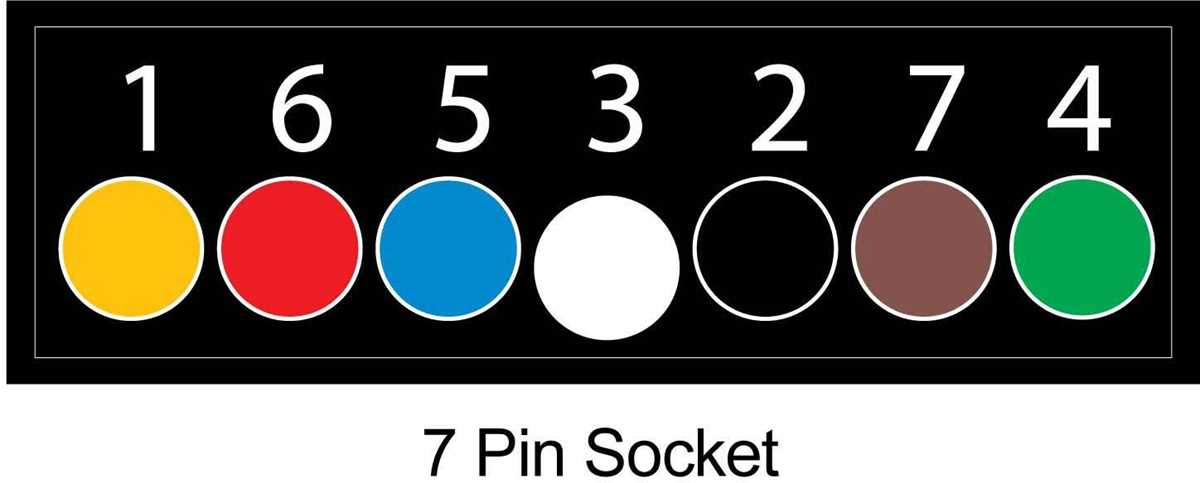
After installation, perform a full function test with the towing vehicle: activate turn signals, brake lights, reverse lamps, and auxiliary functions. Confirm that each light responds correctly under load and that no flickering occurs during motion.
Color Codes and Pin Assignments for Seven Circuit Connectors
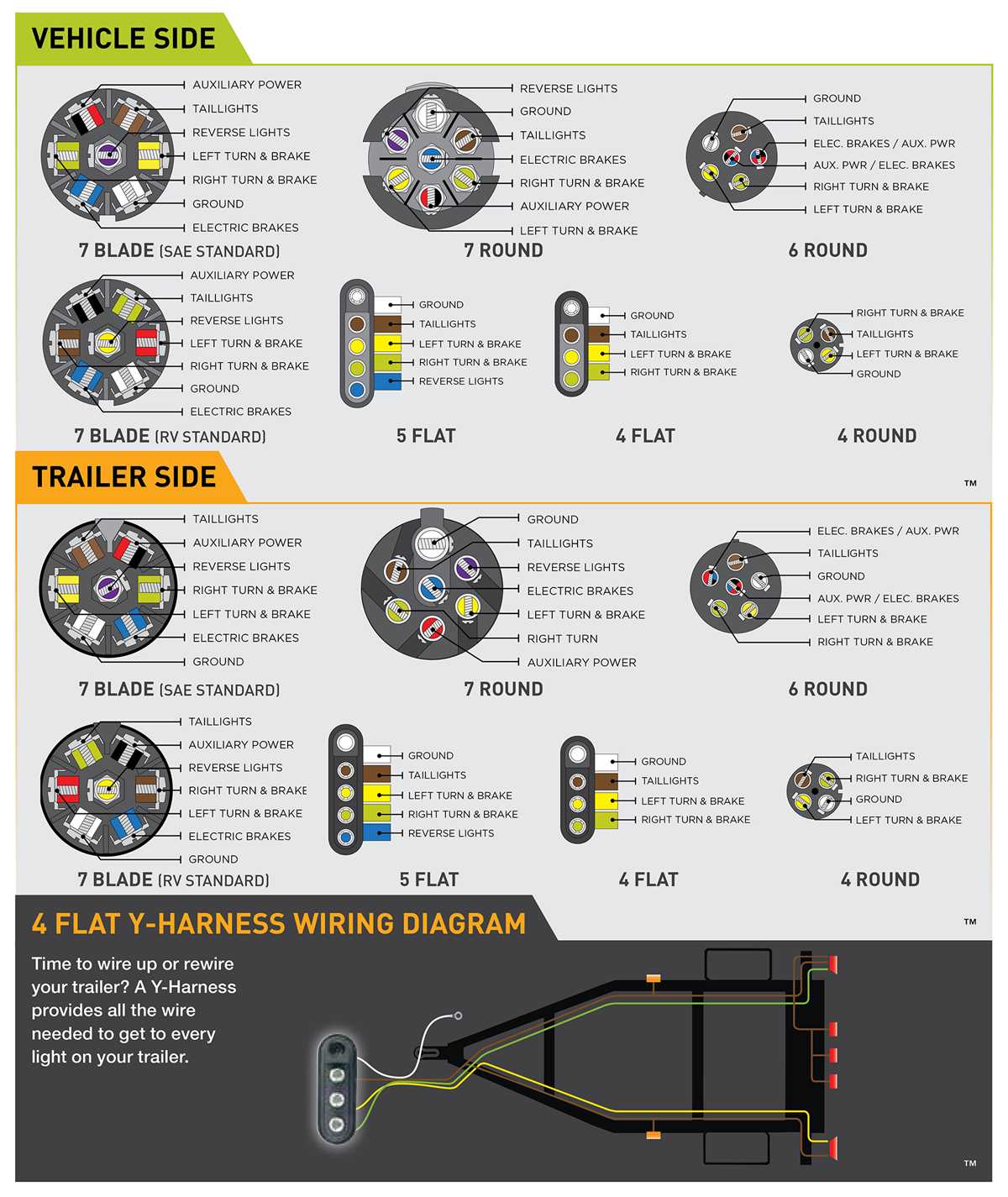
Match each wire to its specific terminal using standardized color codes: brown for running lights, yellow for left turn, green for right turn, white for ground, blue for electric brakes, red for auxiliary circuits, and purple for reverse lamps. Proper matching ensures correct signaling and avoids shorts.
Confirm terminal positions visually before insertion. Most connectors have a top key or notch to prevent misalignment. Aligning pins incorrectly can damage both the plug and receptacle and cause faulty operation of lamps or controllers.
Use dielectric grease on each contact to prevent corrosion and maintain conductivity. Moisture and road salts can oxidize pins over time, resulting in intermittent failures or high resistance in circuits.
Follow these routing tips:
- Keep signal and brake lines separate from high-current feeds to prevent interference
- Secure cables along structural elements with clamps or zip ties
- Leave slight slack at corners to reduce stress on terminals
Check continuity with a multimeter after assembly. Measure resistance from each power source to its corresponding lamp to verify no broken or shorted paths exist.
Label each circuit at both ends for easier future maintenance. Identifying left/right indicators, auxiliary power, and brake signals prevents confusion during replacements or troubleshooting sessions.