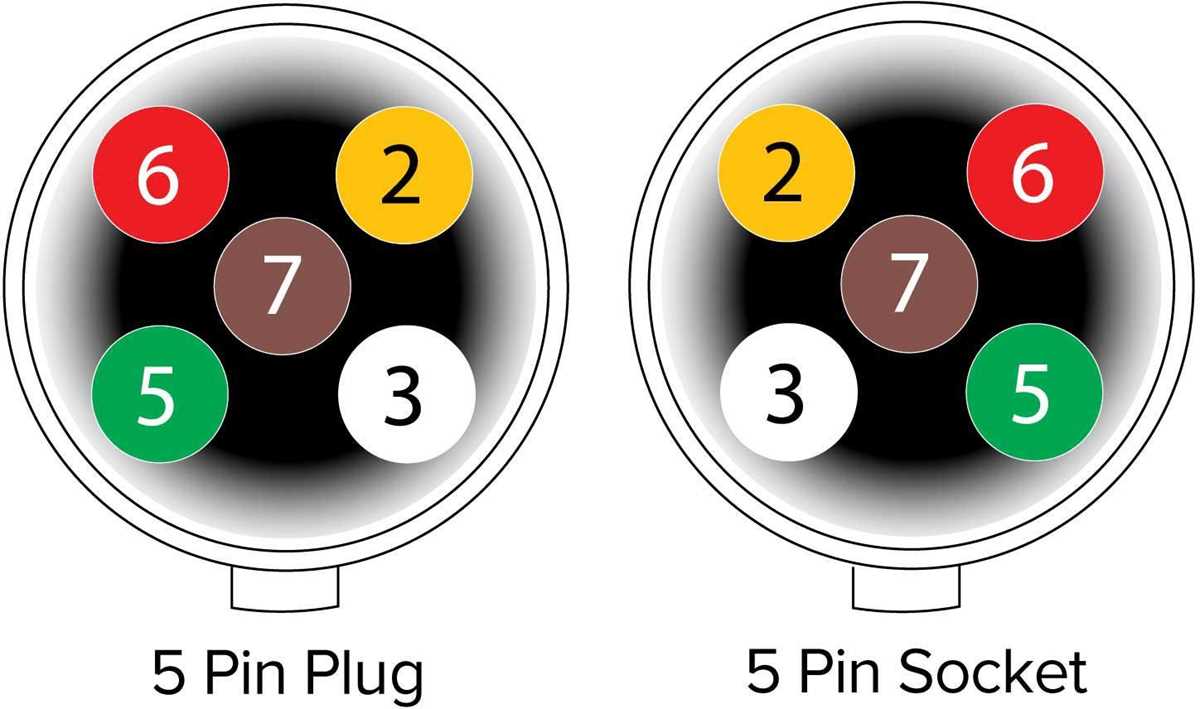
If you’re setting up a basic 4-wire electrical connection for your towing needs, it’s important to understand how to connect each wire correctly to ensure proper functionality. A standard 4-wire setup typically includes connections for the left turn signal, right turn signal, brake lights, and ground. Each of these plays a crucial role in ensuring your vehicle and attached load communicate safely on the road.
Begin by identifying the wire functions: the yellow wire controls the left turn signal, the green wire is for the right turn signal, the brown wire handles the running lights, and the white wire is for grounding the system. Incorrect connections can lead to malfunctioning lights or even potential hazards while driving.
Make sure to use the correct gauge of wire for the task, and always double-check that each wire is securely attached to its respective terminal. Using high-quality connectors and ensuring a solid ground connection will help avoid electrical issues during your trips. A reliable setup not only ensures safety but also prevents damage to both your vehicle and any towed equipment.
How to Properly Connect the 4-Wire Electrical Setup
Begin by identifying each wire’s function. The yellow wire is for the left turn signal, the green wire controls the right turn signal, the brown wire powers the running lights, and the white wire serves as the ground connection. Proper identification is crucial to avoid errors during installation. Miswiring can lead to electrical malfunctions, including non-functioning lights or faulty ground, which can cause safety issues on the road.
When connecting the wires, use a reliable connector and ensure each wire is firmly attached to its terminal. Double-check each connection before securing the setup. For a longer-lasting connection, consider using corrosion-resistant connectors and check for any exposed wires that could create a short circuit. Always verify the ground wire is properly connected to a clean metal surface to prevent grounding issues, which are common causes of lighting failures.
How to Identify Wires on a 4 Pin Connector
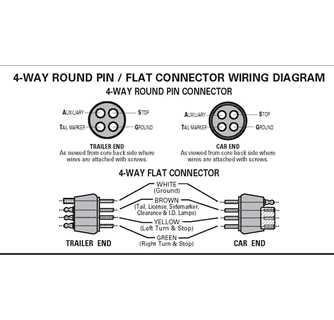
The first step in identifying wires on a 4-wire connector is to know the standard color code. The yellow wire is responsible for the left turn signal, while the green wire handles the right turn signal. The brown wire is used for the running lights, and the white wire serves as the ground connection. This color coding is used consistently across most 4-wire setups, so familiarity with it simplifies the identification process.
Start by inspecting the connector closely. Typically, the wires will be color-coded in the correct sequence. Check each terminal, and make sure the wire color matches the corresponding function. If the wires are not labeled, you can use a multimeter to test each wire’s function while activating different lights on the connected vehicle.
For left turn signals, the yellow wire should be energized when the left indicator is flashing. For the right turn signals, the green wire should show voltage when the right indicator is engaged. The brown wire should provide a constant signal for the running lights when the vehicle’s headlights are on. Finally, the white wire must be securely grounded, as it completes the electrical circuit for all other functions.
It’s crucial to check the condition of the wires as well. Over time, wires can become brittle, cracked, or damaged. Look for any fraying or exposed wire, which could cause shorts or incorrect connections. If you notice any damage, replace the affected wire before proceeding with the connection.
Use a continuity tester to verify the ground connection. The white wire should show continuity with the metal body of the vehicle. If it does not, it might indicate a poor ground connection, which can lead to malfunctions in the system. Ensure the ground connection is clean and free of rust to guarantee reliable electrical performance.
Once the wires are identified and verified, ensure the connections are secure. Loose or poorly connected wires can cause flickering lights or intermittent malfunctions. Use crimp connectors or solder the connections for a more durable setup. Make sure there is no excess slack or exposed wire that could lead to accidental shorts.
Finally, always double-check the wiring before using the connection in a real-world situation. Testing the system with a vehicle in a safe environment can help you confirm that all lights and signals are functioning correctly. A properly wired connection will ensure safety on the road and prevent any potential issues during towing.