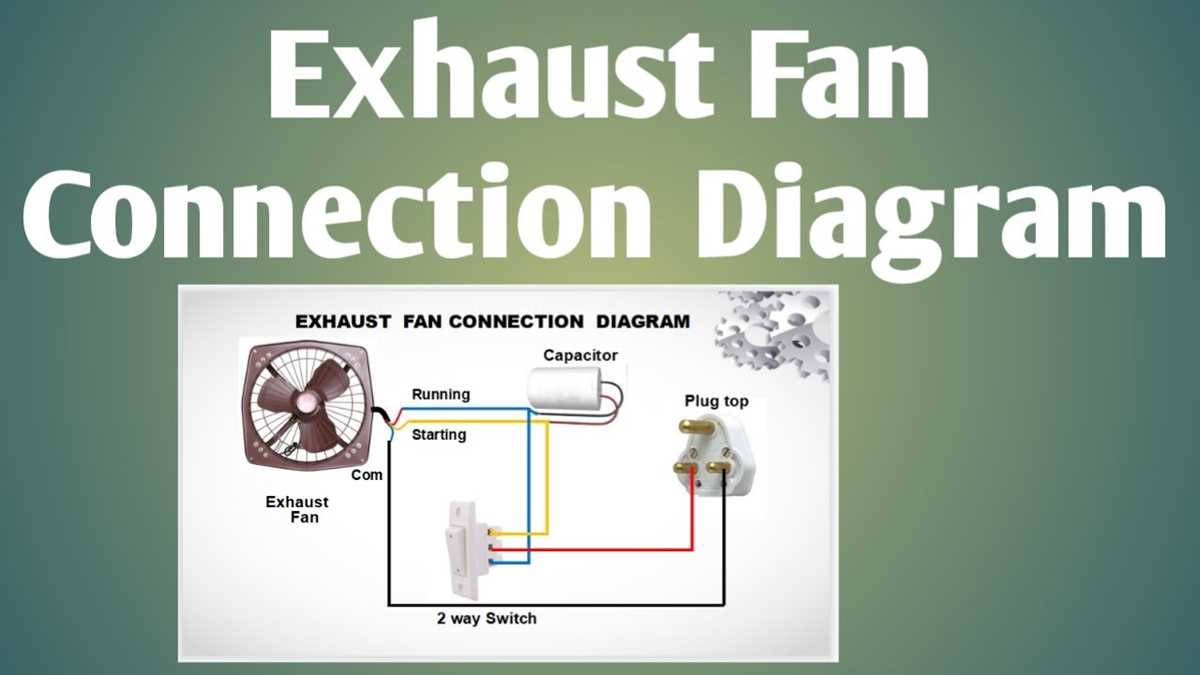
Install the main power line directly to the breaker panel to maintain safety and prevent voltage drops. Use copper conductors rated at 14 AWG for units up to 15 amps and 12 AWG for higher loads. Ensure that connections are tightened to manufacturer specifications to avoid overheating or arcing.
Run individual wires to the motor terminals following color codes–black for live, white for neutral, and green or bare for grounding. Include a fuse or circuit breaker close to the supply source to protect against overloads. Position wires away from heat sources and sharp edges to prevent insulation damage.
Incorporate a control switch or timer near the operating area to allow convenient activation. Use a double-pole switch if the unit draws more than 10 amps. Verify that all connections are insulated with heat-resistant sleeves and that junction boxes are accessible for maintenance.
Complete Guide to Electrical Connections and Layouts for a Ventilation Unit
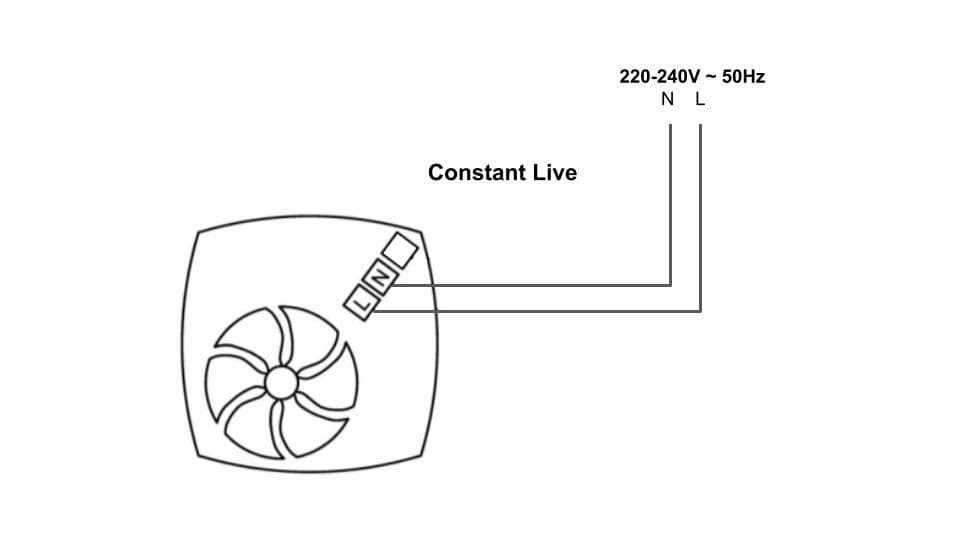
Connect the main power line directly to a dedicated breaker rated according to the unit’s amperage. Use 14 AWG copper cables for currents up to 15 amps and upgrade to 12 AWG for higher loads. Ensure all terminals are tightly secured to prevent overheating or sparks.
Route individual leads to the motor terminals following standard color codes–black for hot, white for neutral, and green or bare for ground. Avoid sharp bends or contact with metal edges to prevent insulation damage. Include a protective fuse or breaker near the supply point for added safety.
Install a control switch or timer close to the operating area to allow convenient operation. Double-pole switches are recommended when the unit exceeds 10 amps. Ensure switch enclosures are rated for damp or humid environments if installed in bathrooms or kitchens.
Secure junction boxes along the cable path to allow inspection and maintenance. Label each conductor clearly to reduce errors during replacements or upgrades. Use cable clamps to prevent movement and strain at connection points.
Check all connections with a multimeter before powering the unit. Measure voltage at the motor terminals and confirm continuity to the breaker. Test the control switch to verify it activates the motor without sparking or unusual noises.
Connecting Power Supply and Main Switch for a Ventilation Unit
Install a dedicated breaker in the electrical panel to handle the unit’s load. Use copper conductors rated according to current draw: 14 AWG up to 15 amps, 12 AWG for higher loads. Ensure the breaker is labeled clearly to identify the circuit at a glance.
Run the supply cable along a secure path avoiding high-heat areas or sharp edges. Use cable clamps to prevent movement and stress on the connections. Maintain a minimum of 6 inches clearance from water pipes or other conductive surfaces.
Main Switch Installation
Mount a single-pole or double-pole switch close to the operating area, depending on amperage.
- Single-pole switches handle up to 10 amps.
- Double-pole switches handle loads above 10 amps safely.
Ensure the switch box is rated for damp locations if installed in kitchens or bathrooms.
Connection Tips and Safety
- Strip insulation carefully without damaging copper strands.
- Tighten terminal screws to manufacturer torque specifications.
- Use heat-resistant sleeves on exposed connections.
- Verify grounding continuity before energizing.
Test the switch operation with a multimeter to confirm proper voltage flow and absence of shorts.