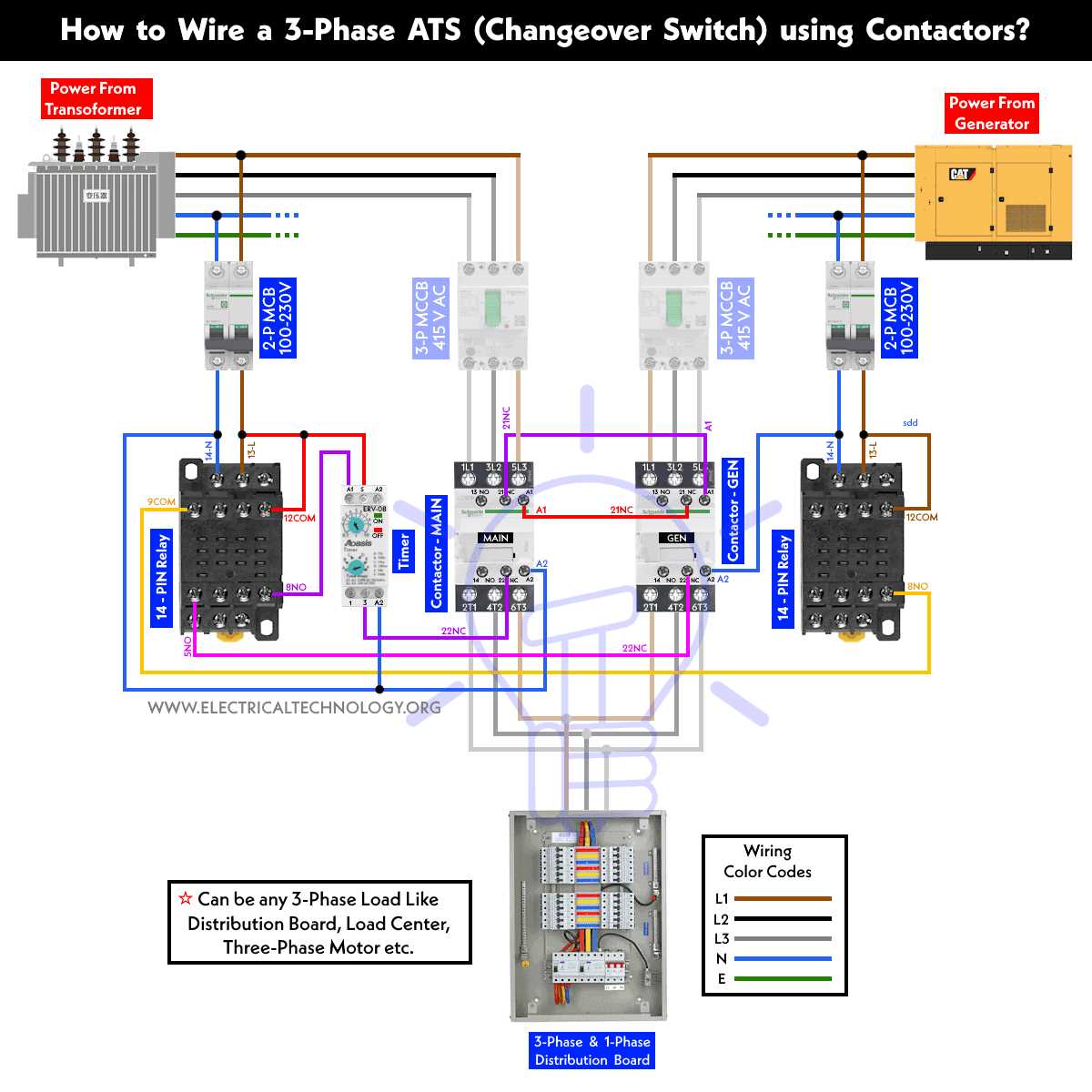
Connect the main and backup power lines to the designated input terminals using copper conductors of at least 2.5 mm² for single-phase and 4 mm² for three-phase systems. Ensure all connections are tight and stripped to 10 mm to prevent loose contact or voltage drop.
Position the control module close to the distribution board to minimize cable length and reduce signal interference. Keep the device away from heat sources and areas with potential moisture exposure to maintain reliable operation.
Test each connection after installation by simulating a power loss on the primary supply. Verify that the backup line engages immediately and that voltage levels remain stable across all outputs. Document the test results for maintenance reference and future troubleshooting.
Transfer Device Installation and Terminal Connections
Connect the main and auxiliary power lines to the designated terminals using copper wires of at least 2.5 mm² for single-phase systems and 4 mm² for three-phase systems. Strip 10 mm of insulation and tighten screws according to the manufacturer’s torque specifications to ensure stable contact.
Ensure the control module is mounted near the distribution panel to reduce cable length and minimize voltage drop. Keep the module away from heat sources and areas with high humidity to prevent component degradation.
Label each input and output terminal clearly to avoid confusion during future maintenance or troubleshooting. Use durable tags or heat-resistant labels that can withstand operational conditions over time.
Verify the selection of rated components such as contactors and relays based on the load requirements. Single-phase residential installations typically use 16–32 A modules, while commercial three-phase setups may require 63 A or higher-rated components.
Testing and Verification
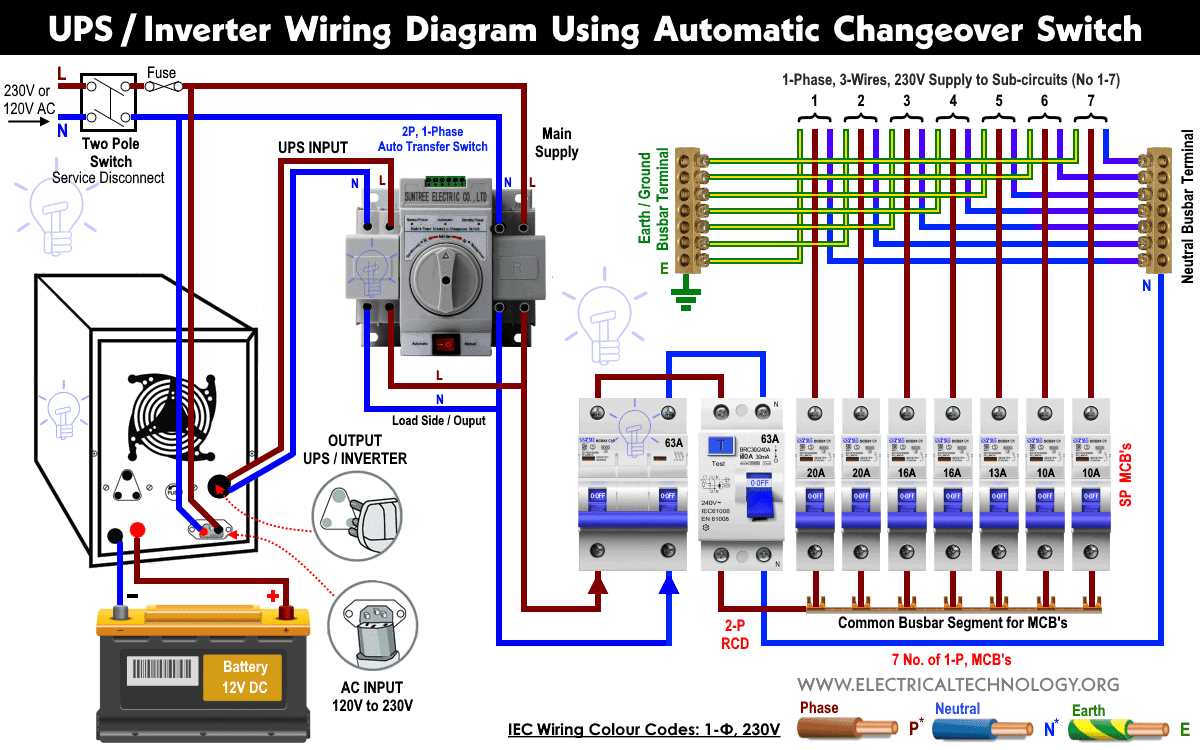
After completing the connections, simulate a loss of primary supply to confirm that the auxiliary line engages correctly. Use a multimeter to check voltage across outputs and ensure proper sequencing of the control module without delay.
Monitor for abnormal heating or sparking at terminals during testing. Any irregularities indicate loose connections or incorrect component ratings and must be corrected before full operation.
Maintenance Recommendations
Inspect all terminals, contactors, and relays monthly for signs of wear, corrosion, or loose screws. Record all maintenance actions and test results to maintain reliable operation and prevent unexpected failures in power transfer.
Step-by-Step Terminal Connections for the Switch
Begin by connecting the main supply lines to the input terminals marked for line and neutral. Use copper conductors of 2.5 mm² for single-phase installations and 4 mm² for three-phase systems. Strip 10 mm of insulation and secure each wire firmly to avoid loose contact or overheating.
Connect the auxiliary generator or backup line to its designated terminals, ensuring proper phase alignment. For three-phase systems, confirm that the sequence matches the main supply to prevent reverse rotation in motors. Tighten all screws to the recommended torque settings and double-check that no strands are loose.
Label each connection and verify operation using a multimeter. Simulate a loss of the primary supply to confirm the auxiliary line engages immediately and delivers stable voltage. Document voltage readings, timing, and terminal mapping for future reference and maintenance checks.