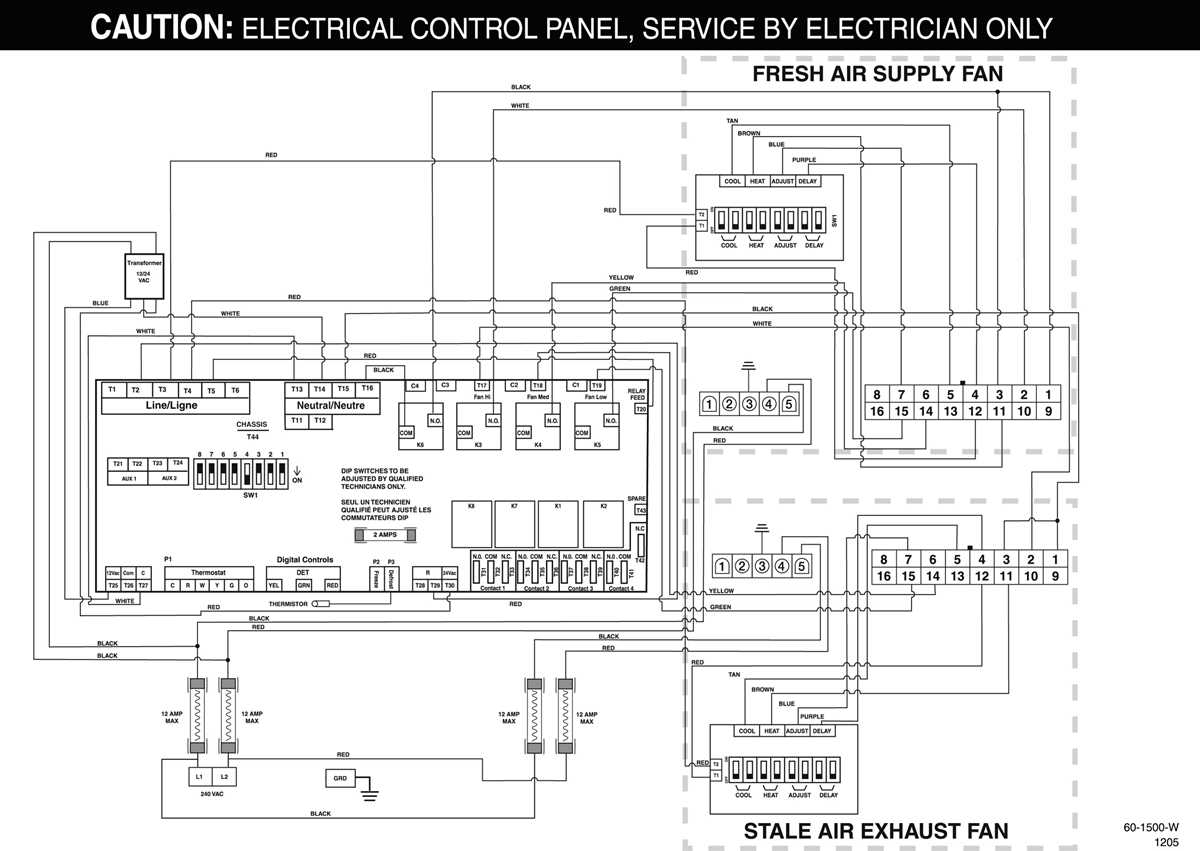
To safely install and operate a 2-amp circuit, ensure that the power source is properly matched with the required load capacity. Begin by checking the voltage and amperage of the device you’re connecting to confirm that it aligns with the circuit’s rating. Ensure the power supply provides consistent and stable voltage that meets the needs of your setup.
Next, verify the gauge of the wire being used. For a 2-amp load, use a wire that can handle the current without excessive heating. A wire that is too thin can cause a voltage drop, resulting in inefficient performance or even overheating, leading to potential fire hazards. Typically, 18 AWG wire is suitable for circuits with low current loads like this.
Before starting any connections, double-check that the power is completely off. Even though the circuit may be low-power, any electrical work should always be done with care. Make sure the connections are secure, and avoid exposing any wires to ensure safety. Once everything is connected, test the circuit to confirm that everything is functioning as expected. Use a multimeter to check the voltage and current at various points to ensure no issues arise.
2 Amp Circuit Connection Guide
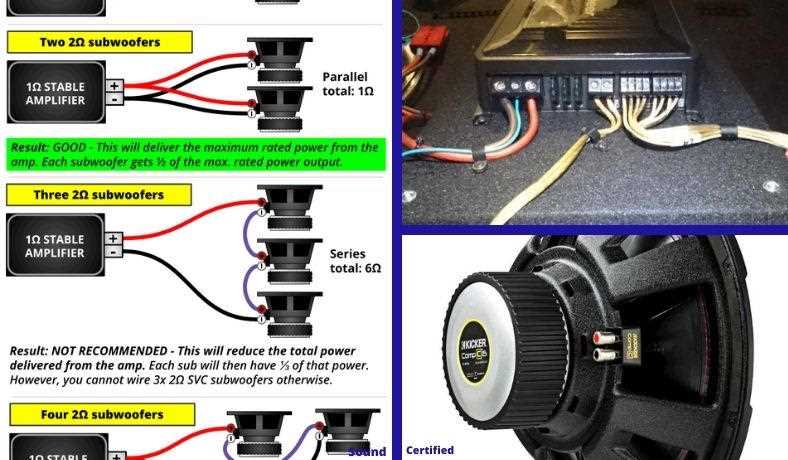
To begin setting up your circuit, always ensure that the power is completely turned off. Safety is the first priority, even for circuits with low current like this one. Use a proper circuit breaker to disconnect the power and prevent any risk of shock or electrical fires.
Select the right size cable. For a low-power setup like this, a 18 AWG wire should suffice, as it can easily handle 2 amps of current. Always double-check that the wire gauge matches the power requirements and that it is rated for your local voltage standards.
When connecting, follow a clear path from the power source to the load. Ensure that each connection is tight and secure, and avoid any loose ends that could cause arcing. If you’re connecting to multiple devices, make sure to use a junction box for proper containment of the wires and connections.
Once the connections are in place, test the circuit before use. Use a multimeter to measure both voltage and current at key points to ensure that there is no overcurrent or voltage drop. If everything checks out, you can safely power up the system and begin operation.
Understanding Power Requirements for a 2 Amp Circuit
When designing a circuit for 2 amps of current, the first consideration should always be the voltage level of your system. Ensure that the voltage matches the components you’re using, whether it’s 120V, 220V, or any other standard. The power requirements will change based on the voltage, and it’s crucial to calculate how much current each device draws to avoid overloading the circuit.
To determine the appropriate power capacity, use the formula: Power (Watts) = Voltage (Volts) x Current (Amps). For a 2-amp circuit, if you’re working with a 120V system, the maximum power would be 240 watts. Always check the devices connected to the circuit to ensure their combined power draw doesn’t exceed this limit.
Next, account for any additional components like resistors, fuses, or protective devices in the system. These may add to the overall resistance, impacting the power supply and efficiency. Use components that are rated for slightly higher capacities to account for any variations in current.
It’s also important to note that the length of the wire and the type of material used can affect the voltage drop across the circuit. Longer wires or materials with higher resistance may cause a reduction in voltage, affecting the performance of connected devices. Choose a proper gauge wire for the length of the circuit to minimize this effect.
For circuits that require continuous operation, ensure that the power source is rated for the load. A power supply that can only handle brief surges may not be suitable for long-term use, even at a 2-amp load. Always use a power supply that can handle the peak demands of the system.
Lastly, consider the safety measures in place. Use proper fuses or circuit breakers rated for the appropriate current to protect against short circuits or overloads. Always verify that the circuit is compliant with local electrical codes and safety standards to avoid hazards.