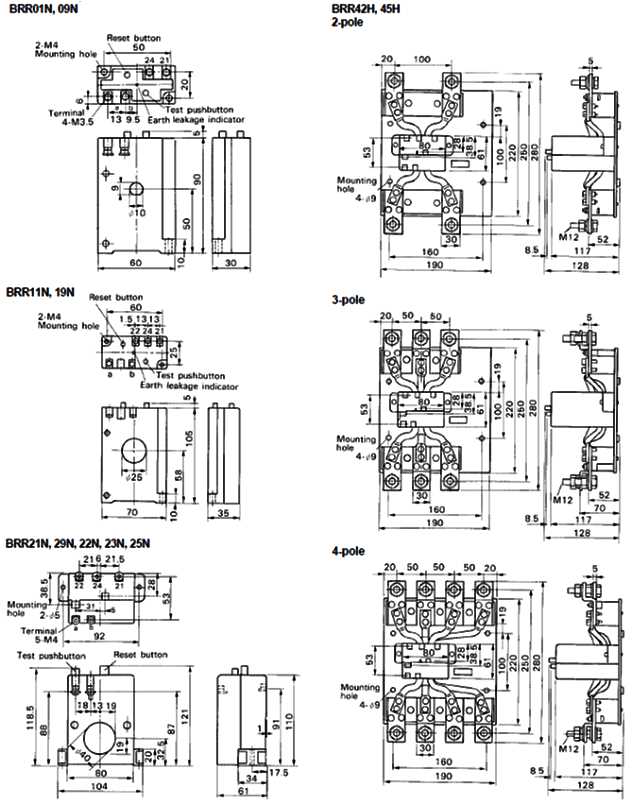
Connect the neutral and phase lines carefully to the trip mechanism to ensure prompt disconnection during unintended current flow. Use copper conductors with at least 2.5 mm² cross-section for domestic installations and 4 mm² for small commercial setups to maintain reliable response times.
Verify the rating of the detection module according to the total load it will monitor. For circuits up to 16 A, a module rated 30 mA provides accurate protection, while higher loads may require 100 mA or 300 mA units. Avoid using undersized components to prevent nuisance trips or failure to activate.
Install the switching unit close to the main distribution board and ensure proper grounding of the enclosure. Tighten all terminal screws to the manufacturer’s torque specifications, typically 2.5 Nm for small connectors, to maintain stable operation and minimize contact resistance.
Test the system after installation using a calibrated test device that simulates fault current. Trigger the disconnect several times under controlled conditions to confirm that activation occurs within 30 ms for sensitive units and within 200 ms for higher-rated modules, ensuring both safety and compliance with electrical standards.
Label each monitored branch and document the settings of all protective components. Maintain a record of the module type, sensitivity, and installation date for future inspections and replacement schedules, improving long-term reliability and reducing risk of malfunction.
Wiring Guide for Fault Detection and Protection Module
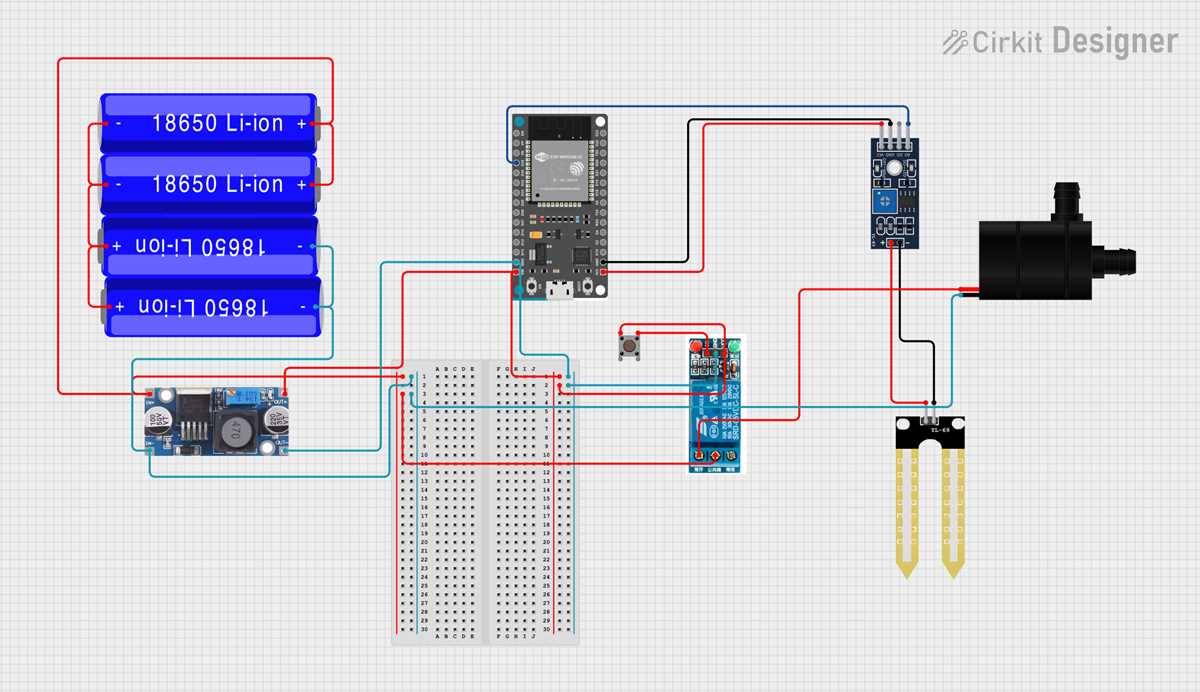
Connect the supply lines directly to the input terminals of the protective device. Use insulated copper wires of 2.5 mm² for single-phase residential systems and 4 mm² for three-phase small commercial setups. Ensure all connections are tight to prevent voltage drop and overheating.
Include a dedicated neutral bar for all monitored branches to reduce stray currents. Keep the bar securely grounded and check that resistance to the main protective ground does not exceed 0.5 ohms.
Select the sensitivity setting according to the load type:
- 30 mA for bedroom and bathroom outlets
- 100 mA for kitchen appliances and laundry areas
- 300 mA for general power distribution boards
Install the switching unit vertically inside the panel to allow natural convection cooling. Avoid placing it near heat sources such as inverters or transformers, as temperature rise can alter tripping thresholds.
Label every monitored branch and record the amperage rating. This ensures faster maintenance checks and reduces confusion during future upgrades or repairs.
Testing Procedure for Safety Modules
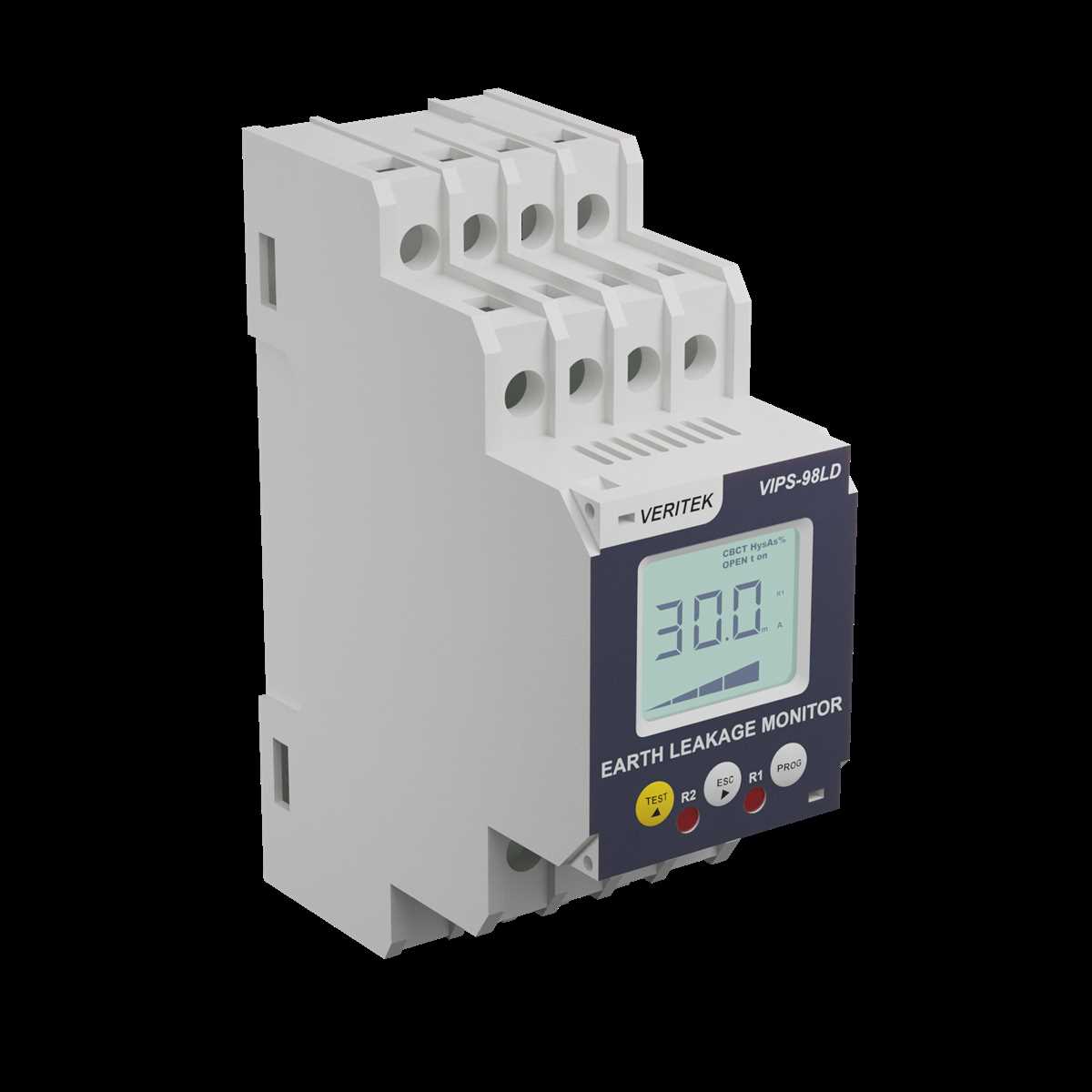
Use a calibrated test instrument to simulate a fault current. Activate the test button three times to confirm proper tripping within the required time frame. For sensitive units, the disconnection should occur under 30 ms, while larger units may allow up to 200 ms.
Maintenance Recommendations
Inspect the terminals monthly for signs of corrosion or looseness. Replace any worn components immediately. Keep documentation of all tests and replacements to maintain compliance with electrical safety standards and improve long-term reliability.
Wiring Steps for Connecting a Fault Protection Module
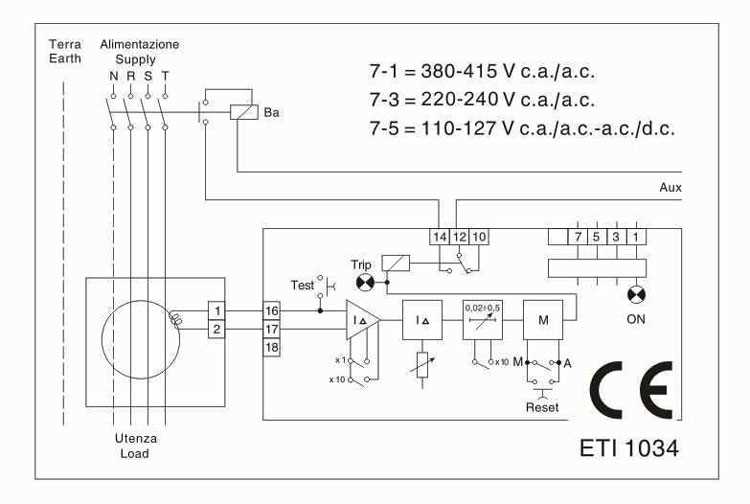
Attach the live and neutral conductors directly to the input terminals of the protection device. Use copper wires of at least 2.5 mm² for single-phase loads and 4 mm² for three-phase installations. Ensure all terminals are tightened to the manufacturer’s torque specification to prevent overheating or loose connections.
Integrate a common neutral bar for all monitored outlets. Verify that the grounding point has a resistance below 0.5 ohms to maintain stable operation and prevent stray currents from causing false disconnections.
Adjust the sensitivity selector according to the intended application. For small outlets, use a 30 mA setting, while kitchen or laundry loads may require 100 mA. For full panel protection, 300 mA is appropriate. Avoid exceeding the module’s rated load to prevent nuisance activation or delayed tripping.
Test the installation immediately after wiring by pressing the test button or using a calibrated fault simulator. Confirm the device disconnects the supply within 30 ms for sensitive points and within 200 ms for higher-rated modules. Record the results for future maintenance and compliance verification.