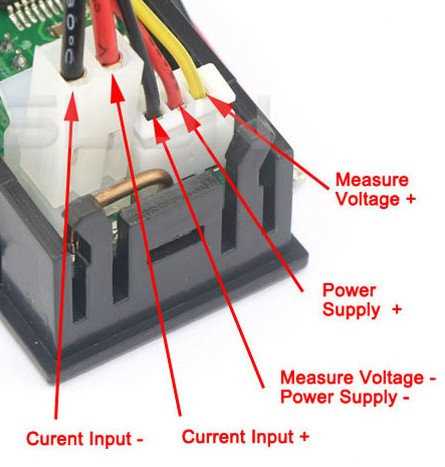
Connect the shunt resistor directly in series with the load to ensure accurate current detection. Use a low-resistance, high-precision resistor rated for the expected amperage range to minimize heat buildup and voltage drop.
Attach the signal leads from the measurement module to the shunt terminals, maintaining correct polarity. Reversing the connections can result in negative readings or damage to the display module.
Verify all power inputs before energizing the assembly. Ensure the supply voltage matches the module specifications and that grounding points are secure to prevent electrical noise and inaccurate readings.
Test initial readings using a known current source. Adjust the reference or calibration trimmers to align the display with the actual current flow, checking multiple ranges for consistent accuracy.
Current Measurement Module Guide
Install the shunt resistor in series with the power line to the load. Use a precision resistor rated for the expected current range to prevent overheating and ensure minimal voltage drop.
Connect the sensing leads to the terminals of the shunt, keeping correct polarity. Incorrect attachment can cause reversed readings or damage to the display unit.
Secure the power supply to the measurement module, verifying voltage levels match the component specifications. Stable and clean power prevents erratic readings and extends the life of the module.
Calibrate the display using a known current source. Adjust the reference trimmer until the reading matches the applied current across multiple ranges for consistent accuracy.
Check all connections for mechanical stability. Loose contacts can create intermittent readings and potential sparks, particularly under high-current conditions.
Integrate auxiliary indicators such as LEDs or alarms to signal overcurrent conditions. Ensure these outputs are properly rated for the expected voltage and current levels.
Test the assembly under load gradually, starting with low currents and increasing to maximum operating values. Monitor temperature of the shunt and components to avoid thermal stress.
Document all settings and calibration values. Keeping a record allows future troubleshooting, repeatable measurements, and quick replacement of any module without re-calibration errors.
Understanding Component Functions and Connections
Identify the shunt resistor first, as it provides the primary measurement point. Choose a resistor with low thermal coefficient and rated for the maximum expected current to prevent drift and overheating.
Connect the input leads from the display module to the shunt terminals, ensuring correct polarity. Reversing these leads can cause negative readings or damage sensitive components.
Power supply connections must match the voltage and current specifications of the module. Use regulated sources and verify that all grounds are secure to maintain measurement stability and prevent noise.
Check auxiliary components such as capacitors and protection diodes. Capacitors stabilize voltage fluctuations, while diodes prevent backflow that could damage the sensing module under load spikes.
Use proper connectors for all signal and power lines. Solder or crimped joints reduce resistance and prevent intermittent contact, which is critical for accurate current monitoring over time.
Test each section individually before full integration. Apply known currents and verify the module responds correctly across all ranges, ensuring calibration and connection integrity before continuous operation.