Use layout schematics to trace actual connections in a building or device, as they display precise locations of conductors, terminals, and fixtures for immediate installation.
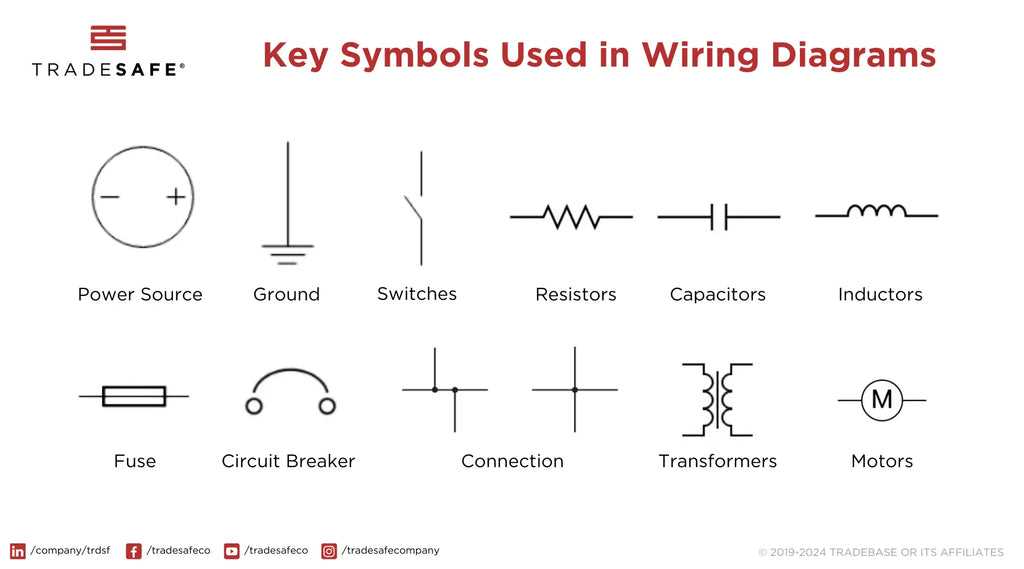
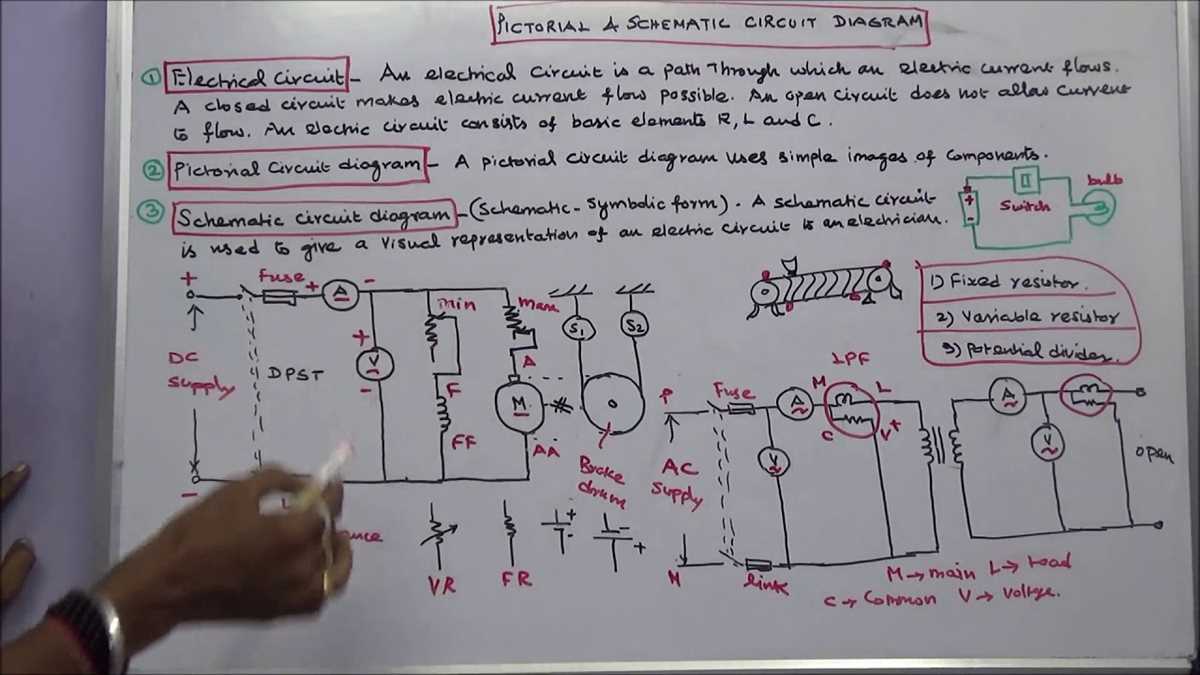
Schematic representations serve to analyze current paths and voltage distribution, showing functional relationships without emphasizing physical placement, which helps with troubleshooting and design planning.
When identifying connections, refer to conductor labels and color codes in layouts, since misreading a terminal can cause circuit malfunction or overload. Pay attention to grouped paths that serve specific loads.
Functional illustrations indicate series and parallel arrangements clearly, highlighting how power or signals move through components. This allows engineers to predict performance under varying conditions.
Layouts often include breakers, fuses, and junction points visually, while schematic representations abstract these elements to simple symbols. Recognizing this distinction reduces installation errors.
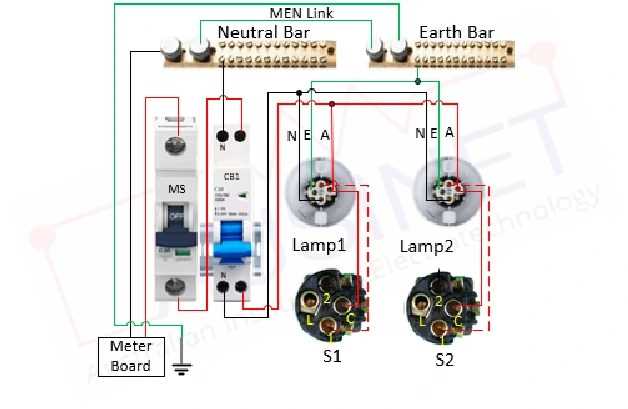
Use the appropriate reference depending on your task: construction and repair teams benefit from layouts, whereas design and simulation tasks rely on symbolic schematics to calculate parameters like voltage drop or current load.
Compare both types when verifying a setup: cross-check terminal connections from layouts with functional flow from schematics to ensure accuracy before energizing the system.
Combining both views enhances comprehension, allowing precise physical work while understanding overall performance, minimizing risk, and avoiding misconnected paths or overloads.
Understanding Key Differences Between Wiring Layouts and Schematic Representations
Refer to physical layouts when installing or repairing systems, as they provide exact locations of conductors, connectors, switches, and outlets, enabling precise assembly and testing.
Schematic illustrations show functional flow, highlighting how current moves and components interact. These representations allow calculation of voltage drops and signal paths without relying on physical placement.
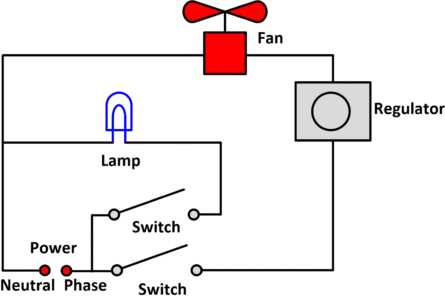
Layouts emphasize routing and spatial relationships among conductors. Correct interpretation prevents short circuits and ensures that branch lines reach the correct loads.
Symbolic schematics simplify complex arrangements by using standard notations for resistors, capacitors, relays, and terminals, which helps in planning expansions or troubleshooting malfunctions.
Use layouts to verify actual connections and mounting points on panels or boards, while referencing schematics to understand how loads are shared across series and parallel paths.
Cross-checking both views allows identification of incorrect connections or mislabelled terminals before energizing the system, reducing risk of component damage or unsafe conditions.
Combining practical layouts with functional schematics provides complete insight, allowing technicians to execute installations accurately while understanding operational behavior under different load conditions.
Identifying Components and Connections in Wiring Schematics
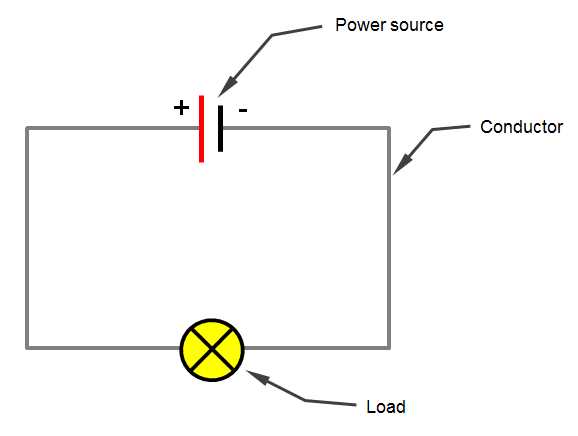
Examine schematic layouts to locate switches, relays, fuses, and terminal blocks accurately. Note the standardized symbols and labels, as they indicate how each component interacts with power sources and load devices, allowing precise verification of continuity and connection integrity.
Trace each path carefully, identifying parallel and series connections, junctions, and ground points. This approach helps prevent miswiring, ensures correct signal flow, and provides a clear understanding of how each section contributes to the overall operational sequence.