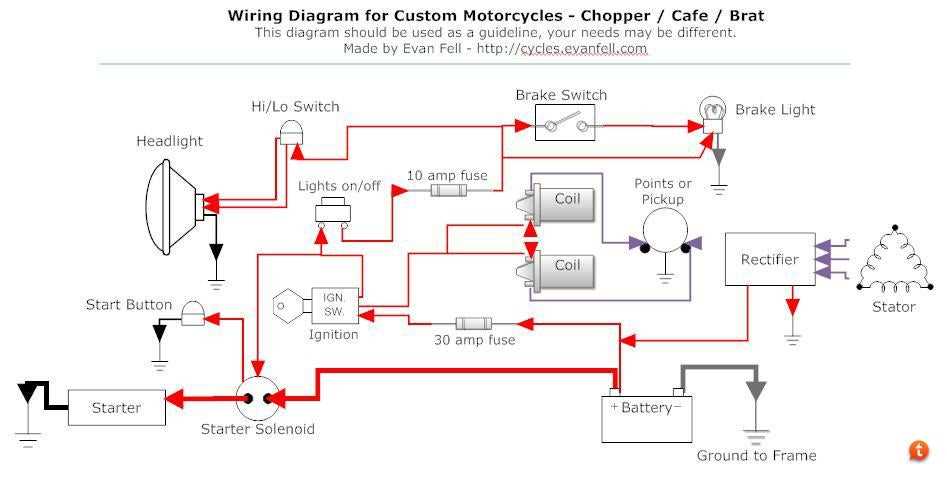
Connect the main power lines first to ensure a stable supply before attaching auxiliary components like lights and indicators. Use insulated terminals rated for 12 volts and 10 amperes to prevent overheating.
Label each conductor clearly with color-coded sleeves or tags to identify ignition, battery, lighting, and signal lines. This reduces errors during assembly and future maintenance.
Secure all connectors with proper clips to prevent vibration-induced disconnections. Avoid twisting wires together or relying solely on tape, as loose connections can cause intermittent faults.
Test each branch individually with a multimeter before full activation. Verify voltage presence and continuity to confirm proper routing of power and return paths.
Route cables away from hot or moving parts like exhaust pipes or suspension linkages. Use protective sheaths or conduits to maintain insulation and prevent mechanical wear.
Check indicator lamps and switches by activating each function separately. Confirm correct brightness, polarity, and smooth operation without flickering or noise.
Double-check grounding points to ensure a solid connection to the chassis. Poor grounding can lead to dim lights, erratic signals, and false sensor readings.
Document the final layout with notes on wire colors, terminal points, and component locations. This helps during troubleshooting and when replacing parts in the future.
Simple Motorcycle Electrical Connections
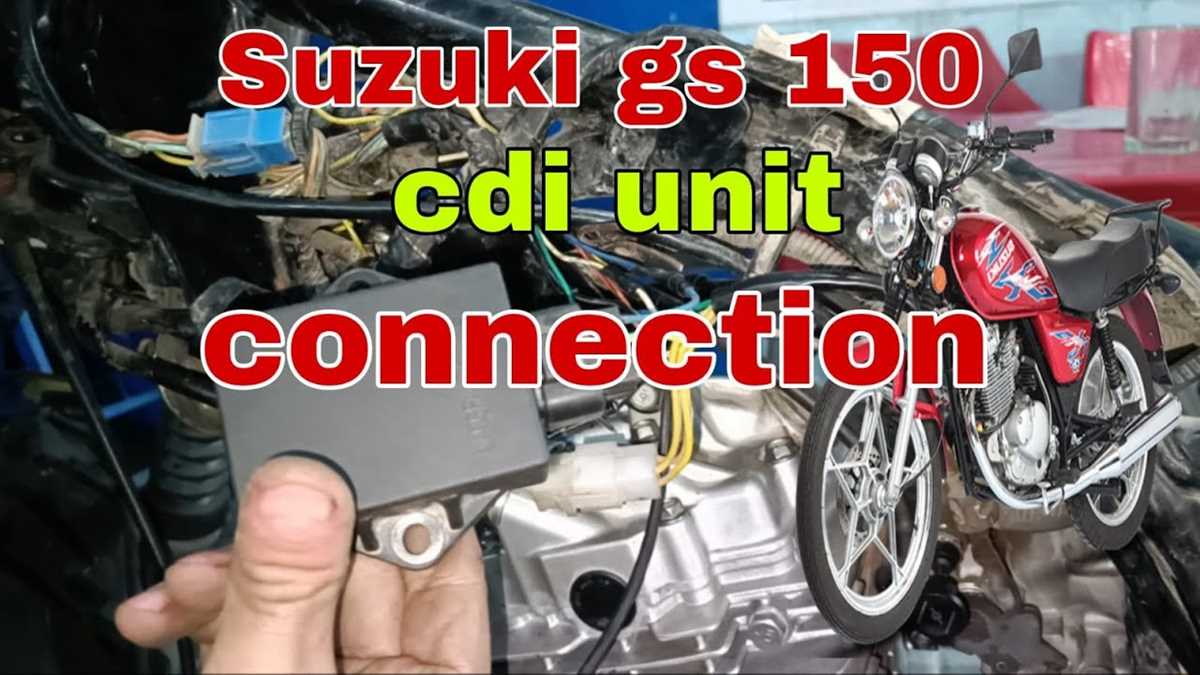
Start by connecting the main power lead directly to the battery terminals using insulated connectors rated for 10 amperes. Ensure the polarity is correct to avoid damaging ignition and lighting components.
Route signal and headlight conductors along the frame with protective sheaths to prevent abrasion from moving parts. Use cable clips at 5–10 cm intervals for stable positioning and to reduce vibration stress.
Testing and Verification
Test each functional line individually with a multimeter before engaging the full system. Check continuity, voltage drop, and proper illumination of lamps to confirm secure connections and proper routing.
Final Adjustments and Maintenance
Secure all grounding points to the chassis and inspect terminals for corrosion or looseness. Document the setup with labeled lines and connection points to simplify future troubleshooting or component replacement.
Identifying Key Conductors and Connectors for Bikes
Begin by locating the main power line that runs from the battery to the ignition module. This conductor typically has a red insulation and should be tested with a multimeter to confirm voltage presence before connecting other components.
Identify the grounding lines attached to the frame or engine block. These are usually black or brown and must be free of corrosion to ensure stable current return paths and prevent flickering lights or intermittent signals.
Trace the headlight and indicator leads from their respective switches. Use color codes or printed markings to distinguish high-beam, low-beam, and turn signal lines, and secure them with insulated terminals to avoid short circuits.
Inspect the ignition coil connections for tightness and clean contact points. Loose or oxidized terminals can cause misfiring or failure to start. Apply dielectric grease to prevent moisture-induced resistance.
Check the auxiliary circuits such as horn, brake lights, and dashboard indicators. Each line should be routed along the frame with protective sleeving to reduce chafing, and connectors should click firmly into their sockets.
Document all identified conductors and connection points with tags or color-coded sleeves. Maintaining a clear reference helps during maintenance, troubleshooting, or replacement of components, reducing assembly errors and downtime.