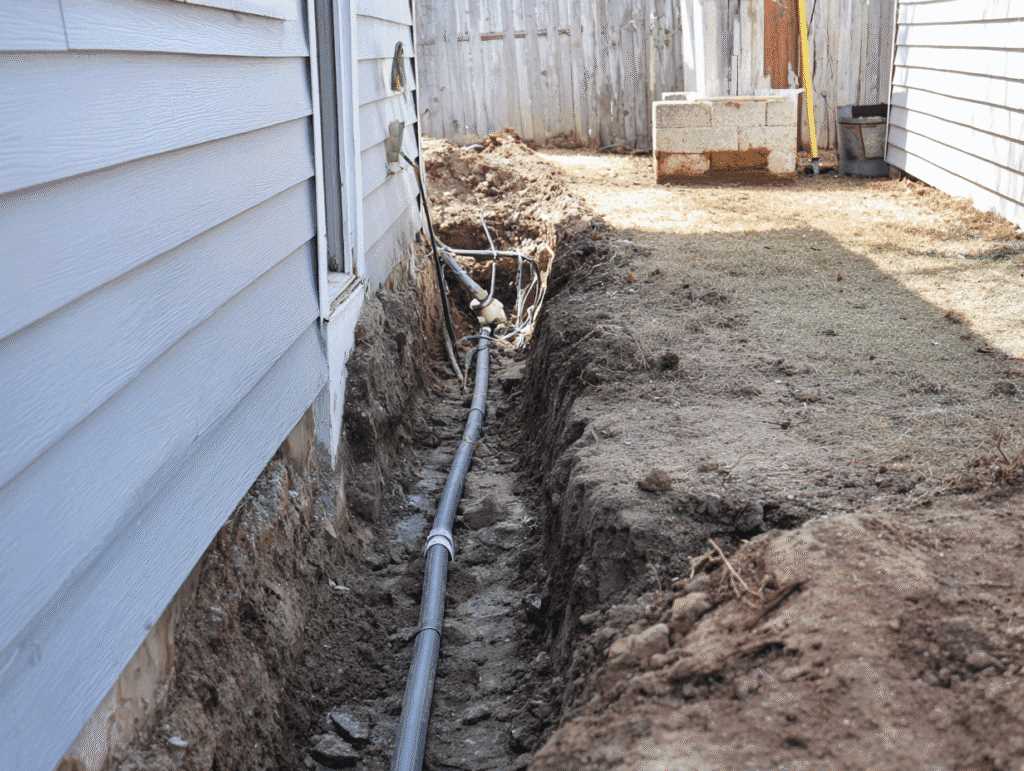
Start by selecting the right power source. Most outdoor buildings need a connection to your home’s electrical system, which may require a subpanel for circuit management. This will ensure enough capacity for lights, tools, and other equipment without overloading the main panel. Check the current requirements for your appliances and make sure to accommodate future upgrades.
Next, choose high-quality components, including weatherproof outlets, switches, and proper wiring rated for outdoor use. You’ll need wires that can handle outdoor conditions without degrading. Use proper conduit to protect wires from physical damage, especially if they are exposed or buried. Ensure that the power supply meets local electrical code standards to avoid hazards.
Lastly, plan for safety measures. Install a Ground Fault Circuit Interrupter (GFCI) for protection against electric shock, and make sure all outlets and fixtures are properly grounded. Double-check that your installation complies with local building codes and get the necessary inspections for peace of mind. Proper installation will not only protect your equipment but also prevent potential hazards from faulty wiring.
Electrical Layout for Outdoor Structures
For a secure and reliable electrical setup in an outdoor space, the first step is to map out the layout. Identify where you need power, whether it’s for lighting, power tools, or appliances. Make sure to choose an appropriate power source, often connecting to the main circuit box via a subpanel to manage multiple circuits. The layout should ensure that each area gets the proper amount of power and that wires are routed away from moisture-prone areas.
Choosing the Right Components
High-quality components are key. Use weather-resistant outlets and switches that meet outdoor standards. Invest in wiring and conduit that are rated for exposure to the elements, such as UV-resistant cables. Avoid using standard indoor materials, as they will wear out faster and could become a hazard. Additionally, consider the power requirements for each section of the space, allowing room for future upgrades or changes.
Ensuring Safety and Compliance
Safety must be prioritized in every step. Install Ground Fault Circuit Interrupters (GFCIs) in areas where moisture is present to prevent electric shocks. Proper grounding of outlets and appliances is also a must. Review local electrical codes for specific requirements and hire a licensed electrician if needed. Finally, conduct thorough testing after installation to ensure everything works as intended and meets safety standards.
Choosing the Right Electrical Components for Your Shed
Start by selecting the proper power source for your outdoor structure. A subpanel may be necessary if the existing main panel lacks the capacity to handle additional circuits. Calculate the total wattage required for all devices, lights, and tools you plan to use, then size the subpanel and circuit breakers accordingly. Ensure that your power source is adequate to prevent overloads and ensure safe operation.
Next, use only outdoor-rated components. For outlets and switches, choose weather-resistant versions to withstand rain and temperature fluctuations. These components should have gaskets or covers to keep moisture out. Using regular indoor outlets will lead to premature failure and potential hazards when exposed to the elements.
For wiring, opt for cables that are rated for outdoor use, such as UF (underground feeder) or THWN-2 wires, which can withstand high moisture and temperature extremes. Do not use standard Romex wiring, as it is not designed for outdoor exposure and can deteriorate quickly. Ensure that your chosen wire gauge is appropriate for the load you plan to carry.
Conduit is another important choice. Use PVC or metal conduit to protect the cables, particularly if they are running underground or along the exterior of the structure. The conduit will safeguard the wiring from physical damage and prevent exposure to moisture, keeping your electrical system safe in harsh weather conditions.
Installing proper grounding is crucial to prevent electrical shock hazards. Grounding rods or grounding plates should be placed according to local codes, typically near the entry point of your power supply. Grounding wires must be securely attached to the panel and any metal parts within the structure to ensure that any stray current is safely dissipated.
Lastly, make sure to install circuit breakers rated for outdoor use, especially if you are running circuits for high-power tools or equipment. A breaker will protect your system from overloads and short circuits. Consider adding GFCI outlets in areas where water may be present, such as near faucets or garden hoses, for additional safety against electrical shock.