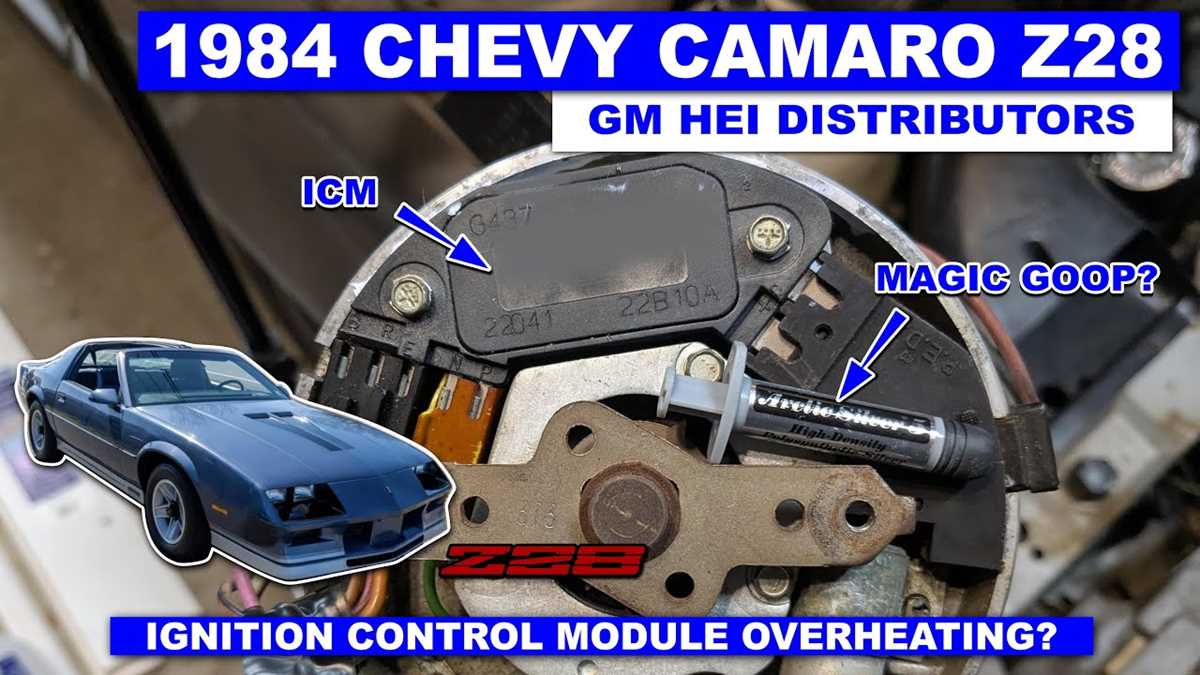
Check the primary connections between the ignition control module and other key components like the coil, battery, and crankshaft sensor. Ensuring these connections are solid and free of corrosion is vital for proper function. A multimeter can help verify voltage levels and identify potential issues early on.
Inspect the module’s wiring harness for any signs of wear or damage, particularly around the connectors. Damaged wires can cause intermittent signal loss, leading to engine misfires or failure to start. Pay attention to the routing of the wires to avoid pinch points or abrasion from surrounding components.
If the system isn’t functioning correctly, start by testing the signal continuity through the harness. Ensure that there are no broken circuits or shorts that would interrupt the flow of power. If needed, replace faulty components and recheck the connections. Proper troubleshooting and quick fixes will help avoid costly repairs down the line.
05 Astro Ignition Control Module System Overview
Start by identifying the primary electrical connections. Ensure the battery and ignition connections are properly secured. Any loose connections can cause intermittent or complete loss of power to the control system, resulting in engine failure or erratic behavior. Verify voltage levels at each terminal with a voltmeter to avoid such issues.
Next, check the relationship between the ignition coil and the control unit. These two elements need to communicate effectively to trigger the spark at the correct timing. Examine the wiring for any signs of wear, especially near the coil, where heat and vibration can damage the insulation over time. If you notice any fraying or burnt wires, replace them immediately.
Inspecting the Signal Inputs

The signal inputs, such as those from the crankshaft sensor or camshaft sensor, play a critical role in how the system interprets timing. Any malfunction in these sensors will lead to incorrect ignition timing, causing the engine to misfire or not start. Use a multimeter to check for consistent voltage and signal continuity from each sensor.
Make sure the ground connections are clean and secure. A poor ground connection can cause voltage fluctuations, resulting in erratic performance. Tighten or clean any ground wires to ensure a consistent path for electricity to flow back to the battery and away from sensitive components.
Diagnostic Troubleshooting
If the vehicle is experiencing misfires or refuses to start, start by testing the continuity of each wire in the control system. Identify and replace any faulty or disconnected wires. Also, ensure that the control unit itself is functioning correctly. A faulty control module will not respond to signals, rendering the entire ignition system inoperable.
Lastly, pay attention to the connectors. Over time, these components can accumulate corrosion, preventing a good connection. Clean the terminals with an appropriate contact cleaner, and apply a dielectric grease to help protect against future moisture buildup.
After completing the checks, reassemble the system and test the vehicle under various conditions. If the system performs correctly, the vehicle should start without issue, and the engine should run smoothly. Regularly inspect the wiring and connections to prevent future failures and ensure reliable operation.
Understanding the Main Connections in the ICM System
Start by verifying the connection between the power supply and the control unit. The power leads must provide a stable 12V, so use a voltmeter to check for consistent voltage at the input terminals. Any voltage drop below the required level could cause the system to malfunction or fail to start.
Next, ensure the communication line between the control unit and the ignition coil is intact. A damaged connection here can result in improper spark timing or complete failure to spark. Inspect the insulation for signs of wear, and ensure the connector is secure and free of corrosion.
The crankshaft position sensor provides the timing data that the control unit uses to adjust spark timing. A faulty sensor can cause misfires or prevent the engine from starting. Test the sensor’s signal using an oscilloscope to ensure it’s transmitting a clean and consistent signal to the control unit.
- Check the sensor wiring for any frays, pinches, or signs of damage.
- Make sure the sensor is correctly aligned and installed in its mount to avoid misreads.
The ground connection plays an integral role in the system. Without a solid ground, the electrical signals may fluctuate or fail to complete their circuit. Ensure the ground wire is securely attached to a clean, uncorroded surface, such as the vehicle’s chassis, to maintain proper operation.
Next, check the relationship between the control unit and the tachometer. The tach signal is used to regulate engine speed and can affect performance. If the tachometer is showing inaccurate readings, it may indicate a problem in the wiring or signal loss from the control unit.
Also, inspect the relays that manage power distribution. These are key components that control power flow between the ignition system and other electrical systems in the vehicle. A faulty relay can prevent the control unit from receiving the necessary power, leading to engine problems.
- Test relays for continuity and ensure they’re working properly.
- If a relay shows signs of wear, replace it immediately to prevent damage to other components.
Finally, after confirming that all connections are intact, perform a full system test. A well-established signal path will ensure smooth engine performance and prevent intermittent failures. Check the vehicle under various operational conditions to make sure the system remains stable.