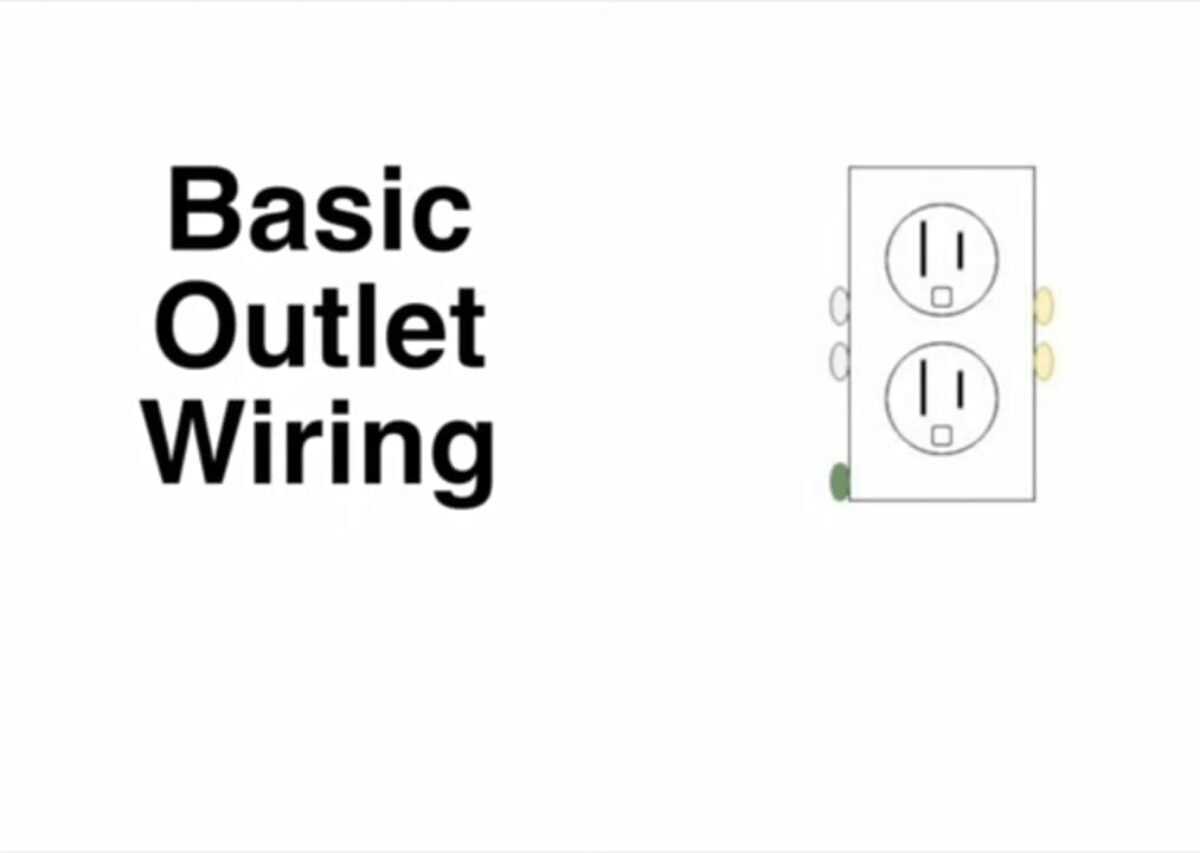
Ensure all connections are powered off before handling any plugs or sockets to prevent shocks. Use a voltage tester to confirm that live, neutral, and grounding lines are inactive.
Select proper conductors rated for your home amperage. Standard 14-gauge cables support 15-amp circuits, while 12-gauge is recommended for 20-amp lines. Incorrect sizing can lead to overheating or fire hazards.
Position sockets at convenient heights and distances. For living areas, maintain at least 12 inches from the floor. Kitchens and workspaces require outlets above countertops, typically 42 inches from the floor to reduce strain and maintain accessibility.
Identify line polarity accurately. Connect the hot conductor to brass terminals, the neutral to silver terminals, and the grounding wire to green terminals. Improper connections can trip breakers or damage appliances.
Label each outlet in the circuit to simplify future troubleshooting. Keep a clear map of all connections leading back to the main distribution panel. Marking circuits reduces confusion and prevents accidental overloads or incorrect reconnections.
Installation and Connection Guide for Residential Outlet Assemblies
Verify power is disconnected at the main panel before handling any wall units. Use a non-contact voltage tester to confirm lines are de-energized. Safety checks prevent electrical shocks and equipment damage during installation.
Mount boxes securely at standardized heights: 12 inches from the floor for general areas and 42 inches for kitchen counters. Ensure the backing allows stable support for the outlet and leaves enough space for conductors without pinching insulation.
Connect conductors carefully following polarity: hot leads to brass terminals, neutral to silver, and grounding to green. Tighten screws firmly to avoid loose connections that can create arcing or overheating. Document each connection for future reference and troubleshooting.
Identifying Live Neutral and Ground Leads for Safe Connections
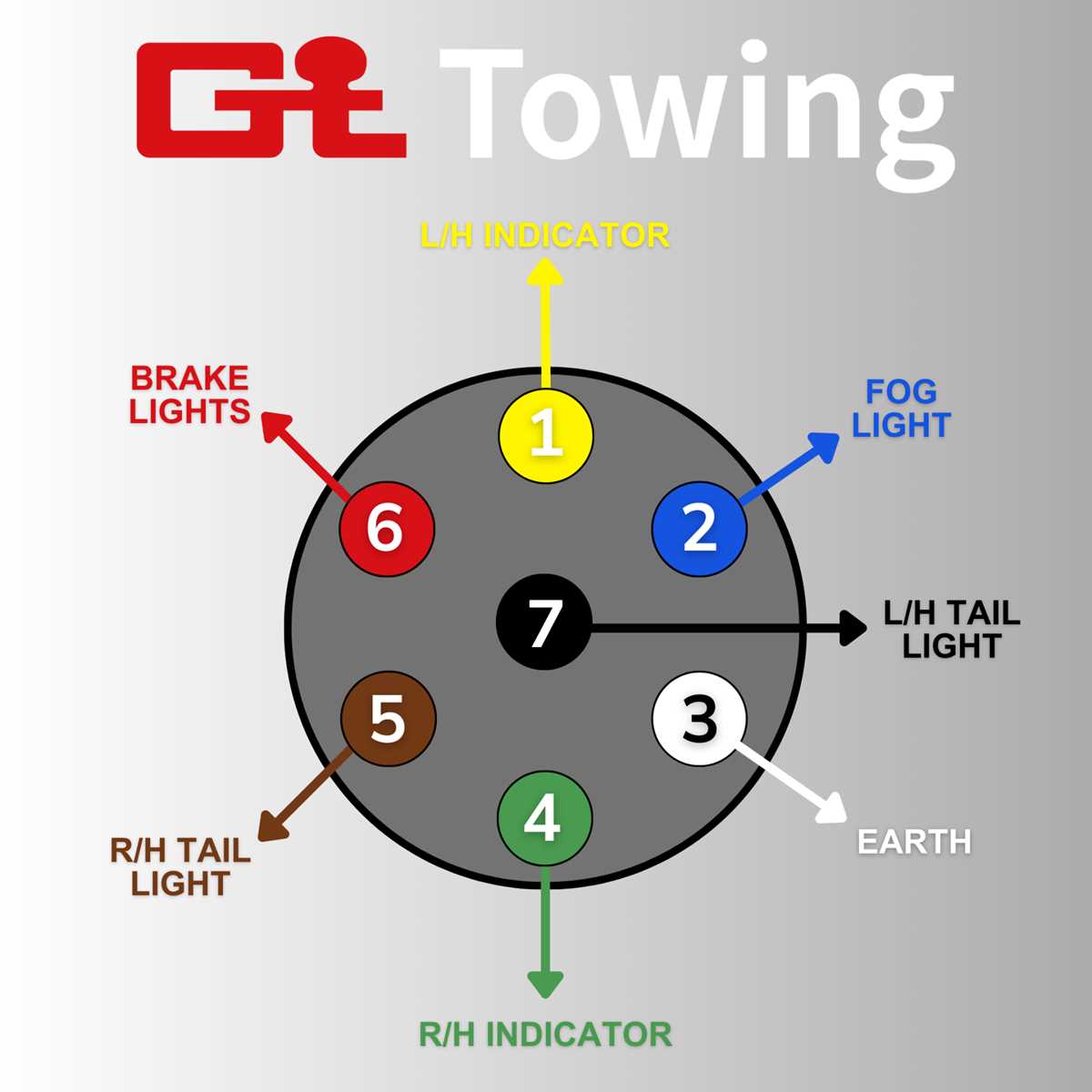
Use a voltage tester to confirm which conductor carries current before making any attachments. Live leads typically display a consistent voltage relative to neutral or ground points.
Neutral conductors are usually color-coded in white or light gray. Verify continuity back to the main panel to ensure no breaks or switches interrupt the path.
Ground leads must connect to the metal frame or a dedicated grounding bus. Check resistance to confirm the path offers minimal impedance for fault conditions.
Label each lead after identification to prevent reversal during installation. Misidentifying hot and neutral lines can create dangerous shock hazards and equipment malfunction.
Separate all conductors physically while testing to avoid accidental bridging. Keep probes steady and avoid contact with bare metal while measuring voltage or continuity.
Inspect insulation for cracks or abrasions that could expose the live core. Damaged insulation increases the risk of short circuits and must be repaired or replaced before final connections.
After confirming each conductor, tighten all terminal screws to manufacturer torque specifications. Re-test after assembly to ensure all leads are correctly routed and electrically secure.