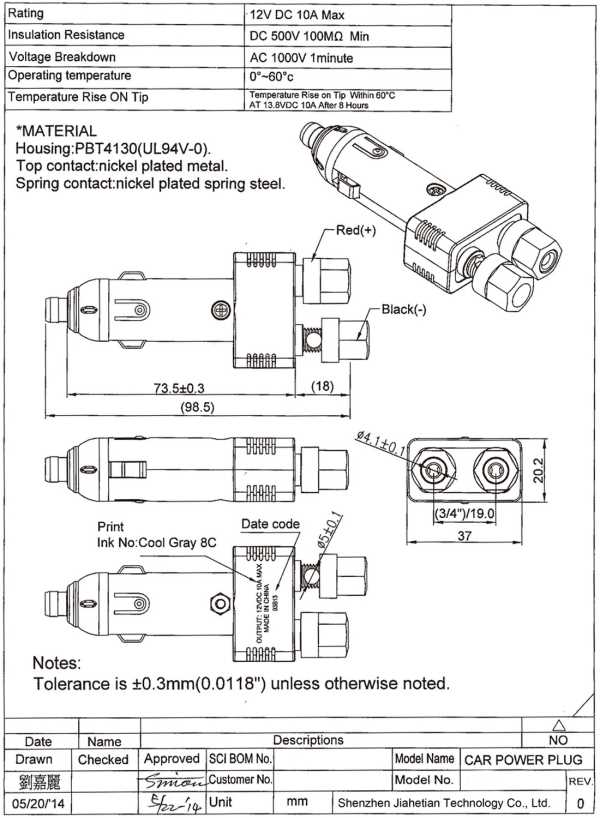
Connect the positive terminal to the marked contact on the automotive receptacle and ensure the negative lead is securely fastened to the vehicle chassis. This setup prevents short circuits and maintains stable voltage for devices drawing up to 10 amps.
Use a fuse rated between 7 and 10 amps inline with the positive line to protect against overcurrent. Verify that the insulation on all leads is intact and that connectors are free from corrosion before applying power.
Measure voltage at the contact points before plugging in any accessory. A reading of 11.5–13.5 volts under no load confirms the system is operating within normal parameters, avoiding damage to sensitive electronics.
For longer extensions, select wires with a minimum 16 AWG gauge to reduce voltage drop. Ensure that any additional connectors maintain tight contact and avoid loose terminals that could spark under load.
12 Volt Car Lighter Plug Connection Guide
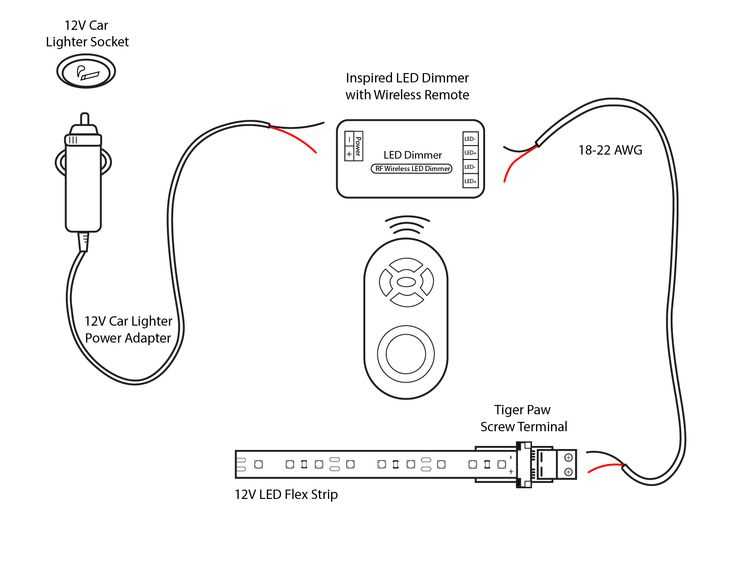
Attach the positive lead to the central contact of the vehicle socket and confirm the negative line is secured to a clean metal ground. This ensures stable voltage delivery and prevents sparks under load.
Use a fuse between 7 and 10 amps inline on the positive line to safeguard the system from overloads. Check all connectors for corrosion and ensure insulation is intact before applying current.
Verify continuity and voltage at both terminals using a multimeter. A reading of 11.5–13.5 volts under no load indicates a correct connection, suitable for powering accessories without risk of overheating or shorting.
Identifying Positive and Negative Contacts on the Plug
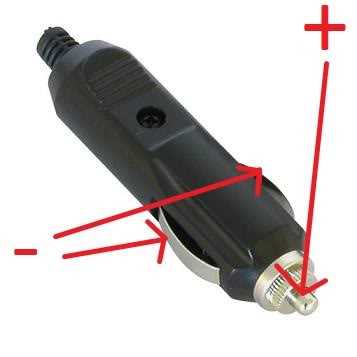
Connect the center terminal to the live line and the outer metal sleeve to the return path. This orientation provides proper current flow for accessories and prevents short circuits during use.
Inspect the metal surfaces for oxidation or dirt. Even minor corrosion can increase resistance, causing heat buildup and potential malfunction when a device is inserted.
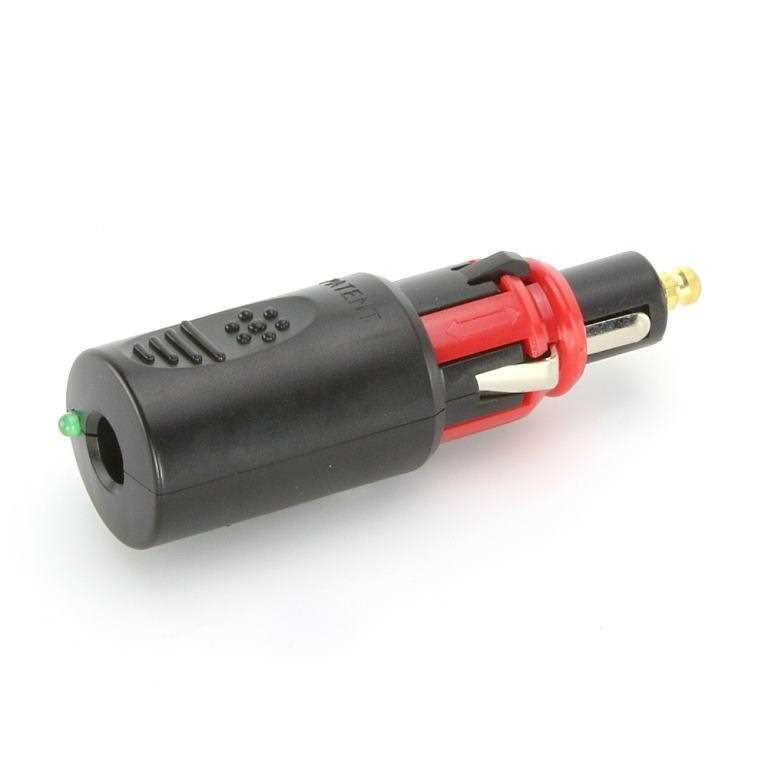
Use a multimeter to test polarity before final installation. Set the meter to DC voltage and place one probe on the central contact and the other on the outer sleeve to confirm positive and negative connections.
Mark the terminals with color-coded tape or shrink tubing. Red for the live path and black for the return path simplifies future maintenance and avoids accidental reversals when connecting devices.
Ensure the return path is securely grounded to the vehicle chassis. A loose connection can produce voltage drops, intermittent operation, or damage to sensitive electronics.
Regularly check the contact points for wear or deformation. Replace the plug if the sleeve no longer makes firm contact, as poor connection can reduce performance and increase risk of overheating.