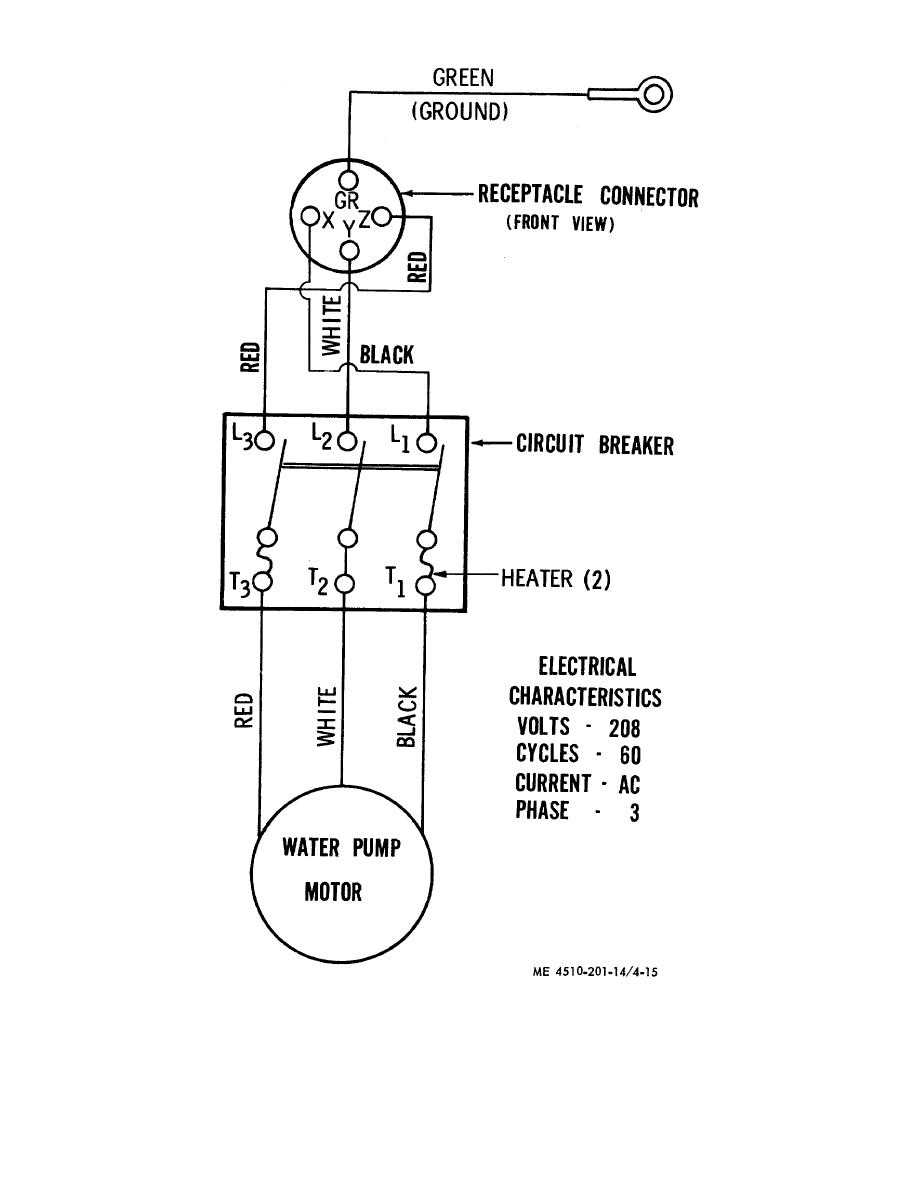
Connect the positive lead from the main power source to the motor controller using a properly rated inline fuse. Ensure the conductor is fully insulated and terminals are tightened to prevent overheating or arcing.
Attach the negative conductor securely to the metal frame of the unit. Clean the contact area to bare metal and use a lock washer for a stable connection. This provides a reliable return path and prevents erratic operation.
Route the conductors along protected paths away from sharp edges and moving parts. Use flexible conduit or loom to prevent abrasion, and maintain separation from signal or control leads to reduce interference and maintain consistent performance.
Identifying Waterway Pump Terminals and Functions
Label each terminal before making connections to the motor controller. The main input provides 120/240V AC depending on the model, while secondary pins correspond to operational functions such as low and high speed, thermal protection, and auxiliary control outputs. Confirm markings on the back plate to prevent incorrect attachment.
Terminal Functions Overview
- Main Line Input: delivers voltage to the motor coil.
- Ground: connects to a bonded metal surface for safety.
- Low-Speed Output: activates motor at reduced RPM for gentle flow.
- High-Speed Output: engages full motor speed for maximum circulation.
- Auxiliary Terminal: supports control of remote indicators or automation relays.
- Thermal Switch: disconnects power if temperature exceeds safe limits.
Test each connection using a multimeter to verify continuity and correct function before permanent installation. Apply temporary power to observe motor response for each speed and control feature. This prevents misconnection and protects internal components from damage.
Correct Power and Ground Connections
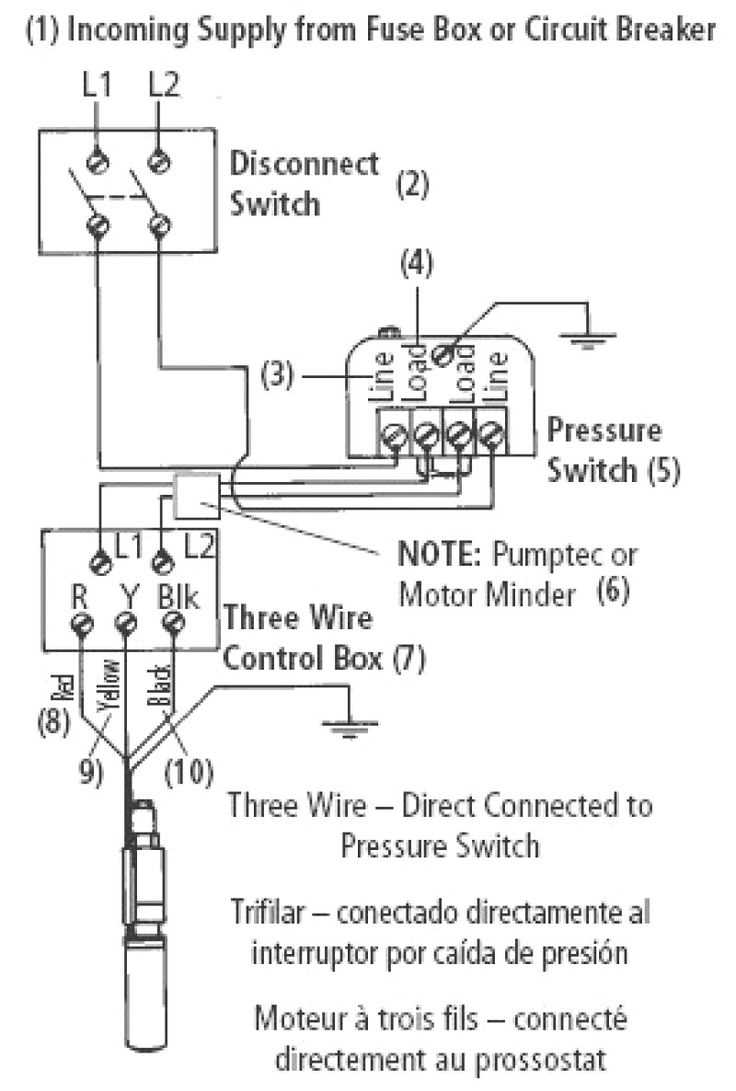
Connect the main power leads directly to the motor terminals rated for AC voltage, ensuring the fuse or breaker matches the unit’s specifications. Use a torque wrench or properly sized screwdriver to secure terminals, preventing loose connections that can lead to overheating or arcing.
Attach the ground conductor to a dedicated chassis point using a clean, corrosion-free surface. Verify continuity with a multimeter to confirm a low-resistance path, which is critical for safety and to prevent electrical faults during operation.
Route all conductors along protected channels, avoiding sharp edges, pinch points, and exposure to moisture. Label each connection and check polarity before energizing. Test operational performance at both low and high speeds to confirm that each terminal functions correctly and that grounding is effective under load.
Testing and Troubleshooting Pump Operation
Start by verifying power delivery to the unit using a multimeter at each terminal. Confirm the voltage matches the manufacturer’s rating for both low and high-speed inputs. A consistent reading ensures that the motor receives adequate supply before further testing.
Operational Checks
Activate each speed setting and observe motor response. Listen for unusual noises such as grinding or humming, which may indicate mechanical obstruction or internal bearing wear. Measure current draw at each setting to detect overload conditions or short circuits.
| Test Point | Expected Reading | Notes |
|---|---|---|
| Main Input | 120/240V AC | Match unit rating |
| Low-Speed Output | 50–70% of full load current | Motor should rotate smoothly |
| High-Speed Output | Full load current | Check for consistent rotation and vibration |
| Ground | 0–1 Ohm | Verify continuity to chassis |
Inspect all terminal connections for discoloration, corrosion, or looseness. Tighten any fasteners and clean contacts before retesting. Proper torque and secure attachment prevent intermittent operation and overheating.
Perform a load test with the unit operating under typical conditions. Record voltage and current during operation and compare with manufacturer specifications. Any deviation can indicate internal faults, blocked impellers, or degraded insulation, guiding targeted repairs.