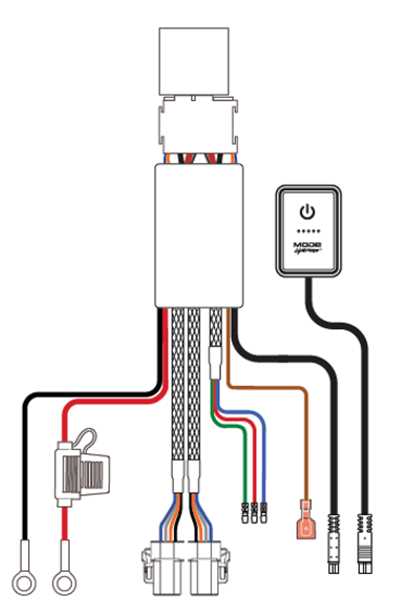
Verify each connector and terminal before energizing any circuits to prevent shorts or signal loss. Use color-coded or numbered tags to track each lead and confirm proper routing.
Measure voltage and continuity across all circuits with a multimeter. Consistent readings ensure power and signal lines are correctly assigned and highlight any damaged conductors.
Keep high-current lines separated from sensitive sensors to avoid interference. Maintain at least a 2-centimeter gap from heat sources and moving parts to prevent insulation damage.
Secure all connectors with insulated clips or terminal boots to reduce the risk of loosening due to vibration. Loose connections can produce erratic signals or partial system failures.
Document each connection with photos or sketches before final assembly. This record ensures accurate restoration during future maintenance and simplifies troubleshooting of complex circuits.
Guide to Understanding and Connecting Electrical Systems for Vehicles
Identify each connector and trace its corresponding line to ensure accurate connections. Use color codes and numbered labels to match terminals with sensors, power sources, and control units, preventing misrouting and signal errors.
Test each circuit with a multimeter before final assembly. Check for proper voltage, continuity, and resistance across all terminals, and secure lines with insulated clips or protective sleeves to maintain stable operation under vibration and heat.
Identifying Connectors and Terminal Functions
Label all plugs and sockets before disconnecting to prevent incorrect reconnections. Numbered tags or colored markers make tracing each lead simple and accurate.
Measure continuity and resistance with a multimeter across each line. Values within expected ranges confirm correct function and reveal damaged or broken conductors.
Primary Connector Checks
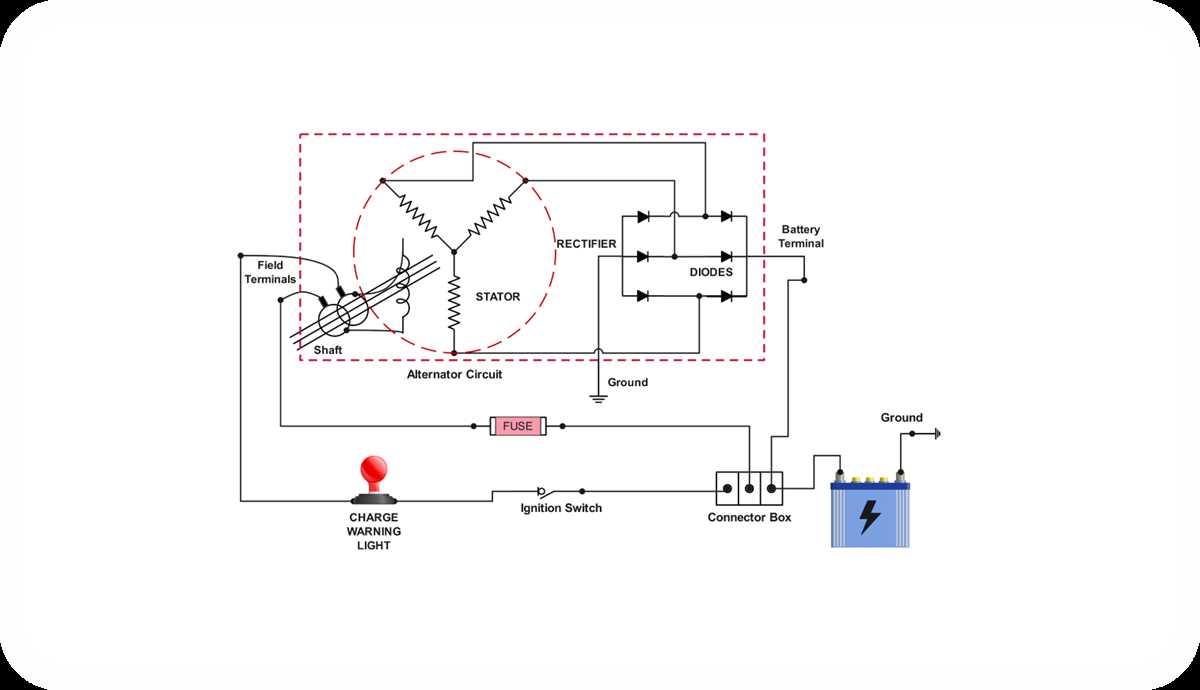
- Inspect physical shapes of terminals for unique keys that prevent misplacement
- Confirm pin assignments with reference charts to avoid reversing connections
- Mark each connection clearly for future maintenance
Sensor and Signal Lines
- Trace each line from sensor to control unit to verify correct path
- Check for voltage drop or interference caused by adjacent high-current lines
- Secure terminals with insulated clips or boots to reduce vibration-related loosening
Test circuits under low load first to observe signal integrity. Gradually increase load while monitoring voltage to ensure stable performance across all terminals.
Document every connector and line route with photos or sketches to simplify troubleshooting and ensure accurate reassembly after maintenance or upgrades.