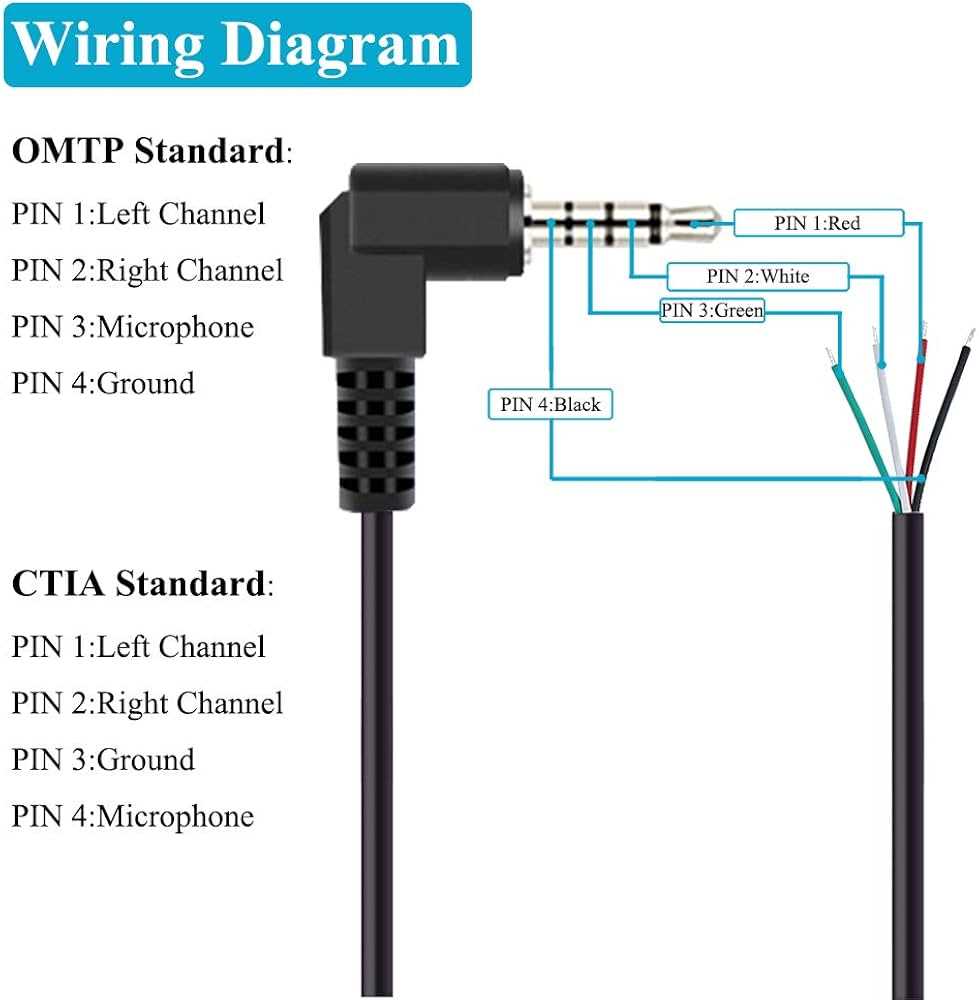
Use color-coded conductors to match each terminal accurately when connecting balanced audio devices. Red typically carries the hot signal, black the ground, and white the cold line. Maintaining consistent identification prevents signal interference and reduces the risk of short circuits.
Ensure solder joints are clean and secure to maintain a stable signal path. Frayed strands or loose connections can introduce hum or intermittent signal drops. Applying heat shrink tubing around exposed sections adds mechanical protection and minimizes accidental contact.
Verify continuity with a multimeter before powering the device. Measure resistance between input and output terminals to confirm correct alignment. A reading of near zero ohms indicates proper connection, while higher values suggest a miswired path that must be corrected before operation.
Label each cable end clearly for easier maintenance and future troubleshooting. Using numbered or color-coded markers helps identify corresponding points on mixers, preamps, or amplifiers without guesswork. This approach reduces setup time and prevents accidental cross-connections.
3 Pin Audio Connector Guide
Match each conductor to the correct terminal using consistent color codes: red for hot, black for ground, and white for cold. Misalignment can create noise or signal loss, so double-check each connection before final assembly.
Solder joints should be smooth and shiny to ensure a strong electrical path. Avoid excessive solder that could create bridges between contacts. Trim any stray strands to prevent shorts and maintain signal integrity.
Use shielded cable for long runs to reduce electromagnetic interference. A braided or foil shield wrapped around the core conductors minimizes hum and keeps the signal clean even in environments with multiple electronic devices.
Test continuity after assembly with a multimeter to confirm proper alignment. Check resistance between the source and destination terminals; values near zero indicate a correct connection, while higher readings suggest a misalignment that must be corrected before powering equipment.
Secure the connectors with strain relief to prevent mechanical stress from pulling on the conductors. This can be done with molded clamps or heat shrink tubing that grips the cable and maintains contact stability during frequent handling.
Label each cable clearly for easier maintenance and faster setup. Numbered tags or colored bands help quickly identify corresponding terminals on audio interfaces or mixing boards, reducing setup errors and saving time during live or studio sessions.
Identifying XLR Terminal Functions for Audio Connections
Assign each terminal according to standard balanced signal conventions. Terminal 1 connects to ground, terminal 2 carries the positive or “hot” signal, and terminal 3 carries the negative or “cold” signal. Reversing these can cause phase issues and audio cancellation.
Visually inspect the XLR connector before making connections. Most connectors are stamped with numbers inside the housing. Confirm these markings to avoid misrouting the signal paths.
Use color-coded conductors to match terminals consistently:
- Red for hot (positive)
- Black for ground (shield)
- White or blue for cold (negative)
This reduces errors and simplifies troubleshooting in complex setups.
Measure continuity with a multimeter to verify proper alignment. Check resistance between the source and receiving terminals. A zero or near-zero reading confirms a correct connection, while higher values indicate misalignment or loose contact.
Test polarity with an audio signal by connecting a signal generator to the input. Listen for phase integrity at the output. Reversed terminals will cause hollow or weak sound due to phase cancellation.
Secure each connector mechanically using strain relief or clamps. Prevent movement that could loosen internal contacts. Stable connections maintain consistent audio quality over repeated use.
Document terminal assignments with labels or a small chart. Numbered tags, colored bands, or written notes ensure any future modifications preserve the original configuration and prevent accidental signal reversal.