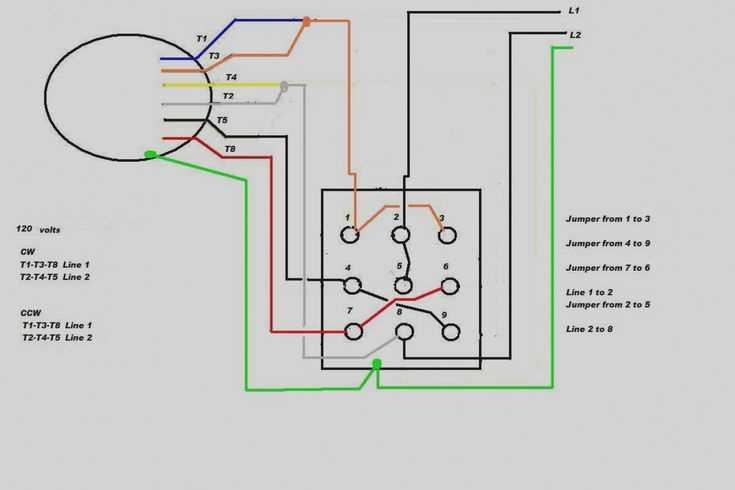
Ensure correct identification of all leads before applying power to prevent short circuits and avoid overheating the device. Label each terminal based on its connection to the start and running windings and verify continuity with a multimeter.
Use a capacitor of proper microfarad rating for the auxiliary winding to achieve smooth rotational reversal. Incorrect capacitance can lead to humming, reduced torque, or failure to reverse direction.
Confirm the direction of rotation after initial connections by briefly powering the device at low voltage. Swap the start winding leads if the shaft does not rotate as intended, and always disconnect power before making adjustments.
Secure all fastenings and insulation to prevent vibration-induced contact loss. Check that all connectors are tight and free from corrosion, as loose terminals can generate sparks and reduce operational lifespan.
Single Phase Reversible Motor Connection Guide
Identify all input and auxiliary leads before connecting to the power source. Use a multimeter to check continuity between the main and starting windings to avoid incorrect connections that can lead to overheating or failure to start.
Use a correctly rated capacitor for the auxiliary winding. A typical 250–400V AC supply requires a capacitor ranging from 10 to 50 µF depending on the load and speed requirements. Install the capacitor securely between the start lead and one of the running leads.
Follow a sequence for safe connection:
- Turn off the main power supply.
- Connect the common lead to the live wire.
- Attach the main running lead to the neutral wire.
- Secure the auxiliary winding lead through the capacitor to the live wire.
Test rotation before final tightening. Apply a brief power pulse and observe shaft movement. Reverse the start winding leads if the direction is opposite to the intended rotation. Always disconnect power before making adjustments to prevent electric shock.
Secure all connections and insulate exposed terminals using heat shrink or insulated connectors. Ensure no leads are loose or in contact with the casing to prevent shorts and vibration-related damage during operation.
Identifying Terminals and Lead Functions
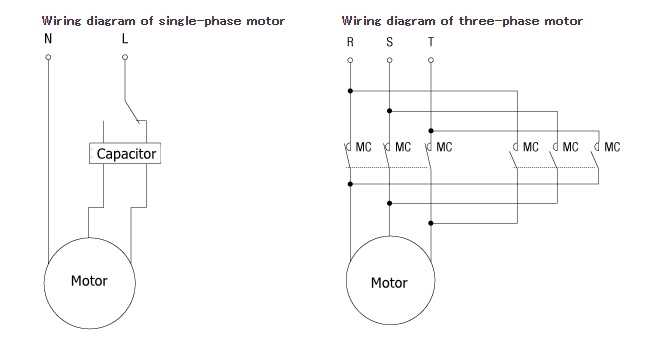
Label each terminal before making connections to prevent confusion during installation. Typically, the common lead is marked with a “C” or a distinct color such as black or brown.
Identify the running winding lead by checking continuity between the main terminal and the shaft casing. This lead usually handles the full load and connects directly to the neutral line of the power supply.
Locate the auxiliary lead that passes through the starting capacitor. This lead often has a different color code, such as yellow or blue, and controls initial rotation torque.
Test the start lead with a multimeter set to resistance mode. Expect a lower resistance than the running lead, typically between 5 and 15 ohms depending on the device rating. A shorted lead indicates internal damage.
Mark the reversing terminals when applicable. Swapping these leads changes rotation direction. Use insulated tags or tape to avoid accidental cross-connections during maintenance.
Ensure secure connections at the terminals with screw-type connectors or spring clamps. Loose leads can cause sparking and uneven current flow, which may damage the windings over time.
Verify each lead against a reference chart from the manufacturer. Charts typically include color coding, terminal numbers, and the function of each wire to ensure correct installation and operation.
Double-check insulation integrity on all terminals. Exposed copper should be minimal, and all connections should be insulated from the casing to prevent shorts, vibration damage, or accidental contact with live parts.