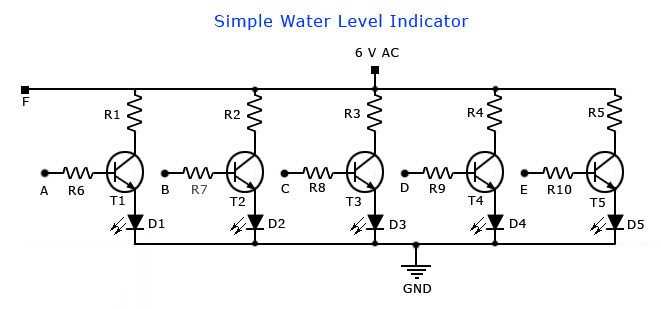
Connect power rails first to prevent short circuits and stabilize voltage across components. Use insulated wires with clear color coding to distinguish positive, negative, and signal lines. Check continuity with a multimeter before powering up each module.
Follow component orientation carefully, especially for polarized items like capacitors, diodes, and integrated chips. Incorrect placement can cause malfunction or permanent damage to parts.
Group functional sections such as input sensors, amplification stages, and output drivers to maintain clarity and reduce noise interference. Label connections on breadboards or PCBs for quick troubleshooting and modification.
Use bypass capacitors near ICs to stabilize power supply fluctuations. Values between 0.01µF and 0.1µF typically prevent high-frequency oscillations in analog and digital modules.
Double-check grounding paths to avoid floating nodes that may induce unexpected signals. Keep ground loops minimal to reduce hum and cross-talk between different sections.
Practical Modules with Clear Layouts for Learning and Experimentation
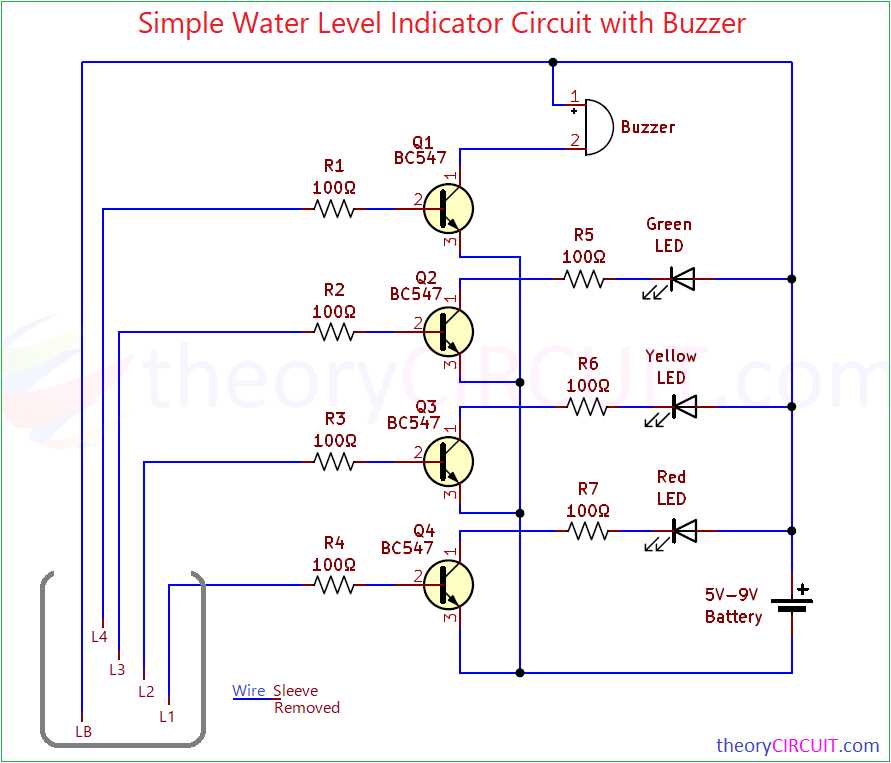
Start with basic signal amplifiers using standard transistors and resistors. Arrange components on a breadboard with direct connections and minimal crossover to observe voltage gain at each stage.
Include light-sensitive circuits with photodiodes or LDRs. Adjust series resistances to control sensor sensitivity and study how changing illumination affects output voltage in real time.
Build timing circuits using 555 timers or similar ICs.
- Set pulse durations with capacitors between 100nF and 10µF
- Combine resistors to vary frequency
- Observe LED or speaker response for immediate feedback
Integrate switching networks with relays or MOSFETs to test load control. Measure voltage drops and confirm correct trigger levels before connecting high-power devices.
Experiment with audio filtering stages using RC or LC components.
- Identify low-pass and high-pass responses
- Compare calculated cutoff with measured signals
- Document deviations to refine layout
Document each setup with labeled boards and color-coded jumpers. Note performance metrics such as current consumption, voltage swing, and response time for repeatable learning and troubleshooting.
Building Simple LED and Sensor-Based Assemblies
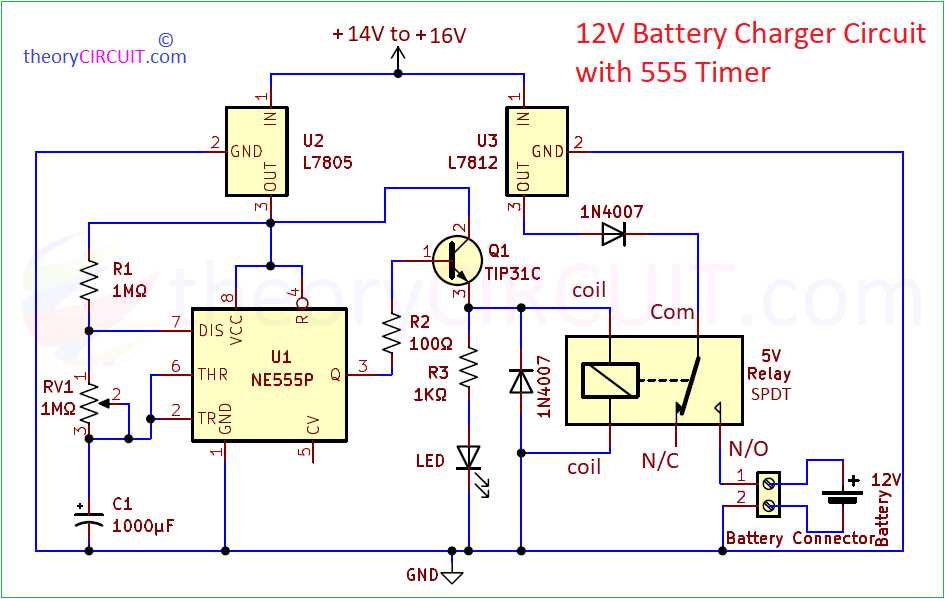
Connect LEDs with series resistors between 220Ω and 1kΩ to avoid overcurrent. Test each LED individually with a 5V source before integrating into more complex setups to ensure uniform brightness.
Integrate light or motion sensors such as photodiodes or PIR modules. Adjust sensitivity potentiometers and position sensors at varying distances to measure accurate activation thresholds for real-time response testing.
Combine multiple LEDs with sensor triggers using transistors or logic gates.
- Set up sequential lighting patterns
- Observe how input changes affect output timing
- Measure current draw across each path
Document all connections with labeled strips and color-coded jumpers. Record voltage levels at each node to ensure repeatable results and facilitate troubleshooting in subsequent experiments.