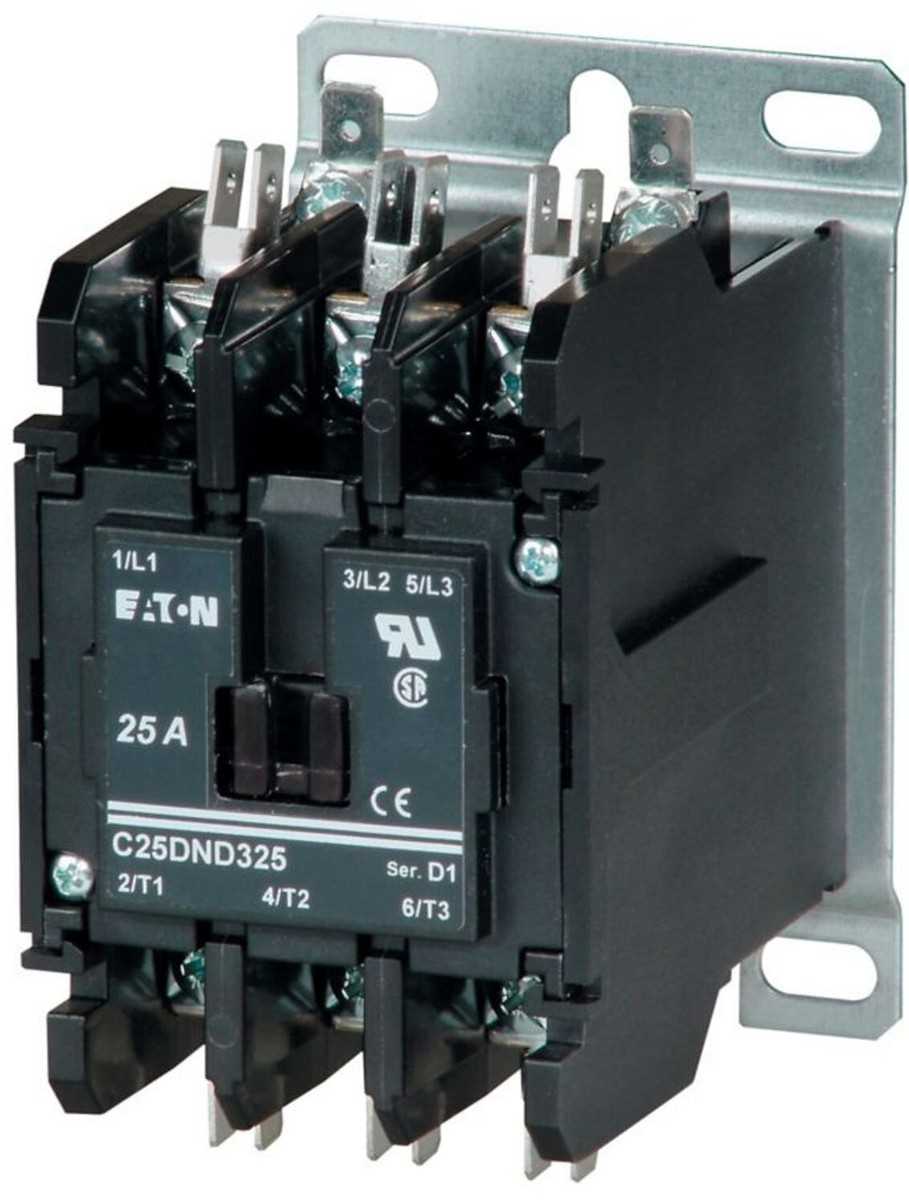
Ensure all terminals are properly identified before linking the electromagnetic switch to the power source. Mislabeling leads to short circuits or failure of the activation mechanism. Use color-coded connectors and verify each lead with a multimeter to confirm continuity.
Connect the coil terminals according to the rated voltage and polarity. Incorrect voltage application can burn the coil or prevent proper engagement. Reference the voltage markings stamped on the device body and match them precisely with the supply lines.
Secure load connections to maintain steady current flow. Tighten all screw terminals to the torque specified in the manual. Loose contacts increase resistance, causing overheating and erratic operation. Employ anti-oxidation compounds on metallic contacts for extended service life.
Implement protective devices along the circuit path. Include fuses or circuit breakers rated slightly above the maximum operational current to guard against transient spikes. This prevents damage to both the switch and downstream equipment while ensuring uninterrupted function.
Contactor Connection and Setup Guide
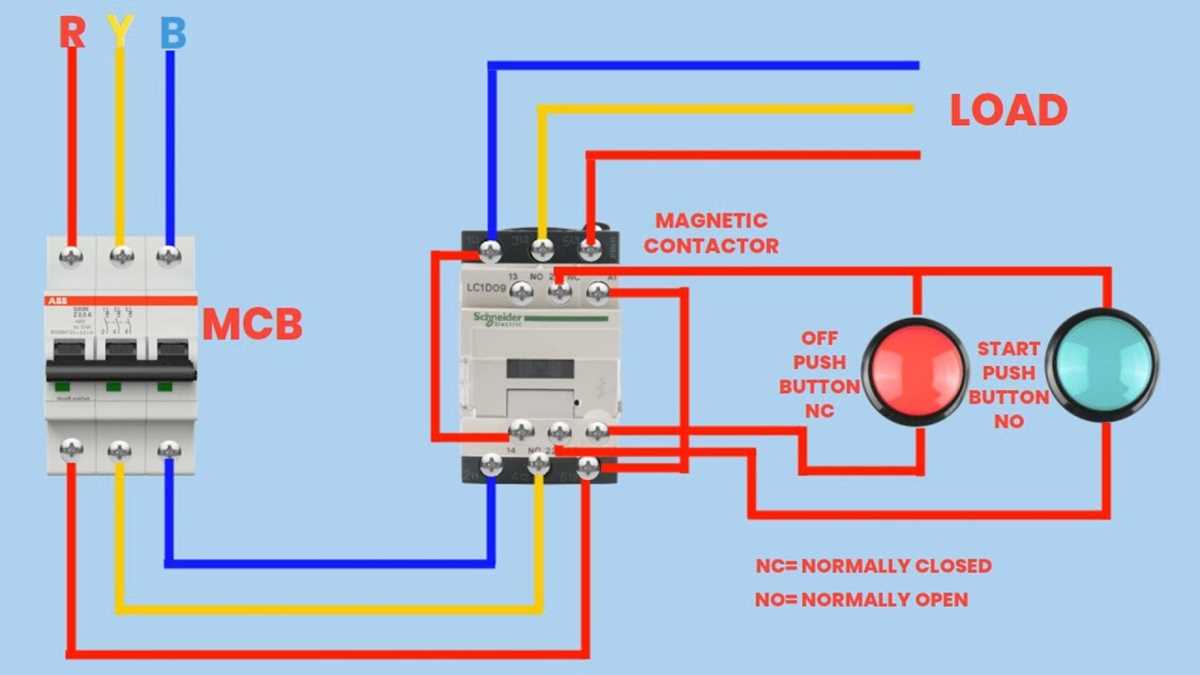
Identify all input and output terminals before establishing connections. Match each lead to the corresponding phase and neutral points according to the voltage rating stamped on the device. Misplacement can cause immediate malfunction or equipment damage.
Tighten all terminal screws to the recommended torque. Loose connections increase resistance, leading to heat buildup and contact degradation. Apply a small layer of anti-corrosion paste on metallic contacts to maintain reliable conductivity over time.
Install auxiliary switches and control elements with proper alignment. Ensure actuating mechanisms engage fully without binding. Check that pilot circuits operate at the correct voltage levels, confirming that indicator lights and relays respond accurately to commands.
Test the assembled assembly under no-load conditions before full operation. Verify that the switching mechanism engages and releases smoothly, measure coil resistance, and confirm continuity across contacts. Correct any misalignments or loose leads before introducing full current loads.
Identifying Terminals and Coil Connections for Accurate Installation
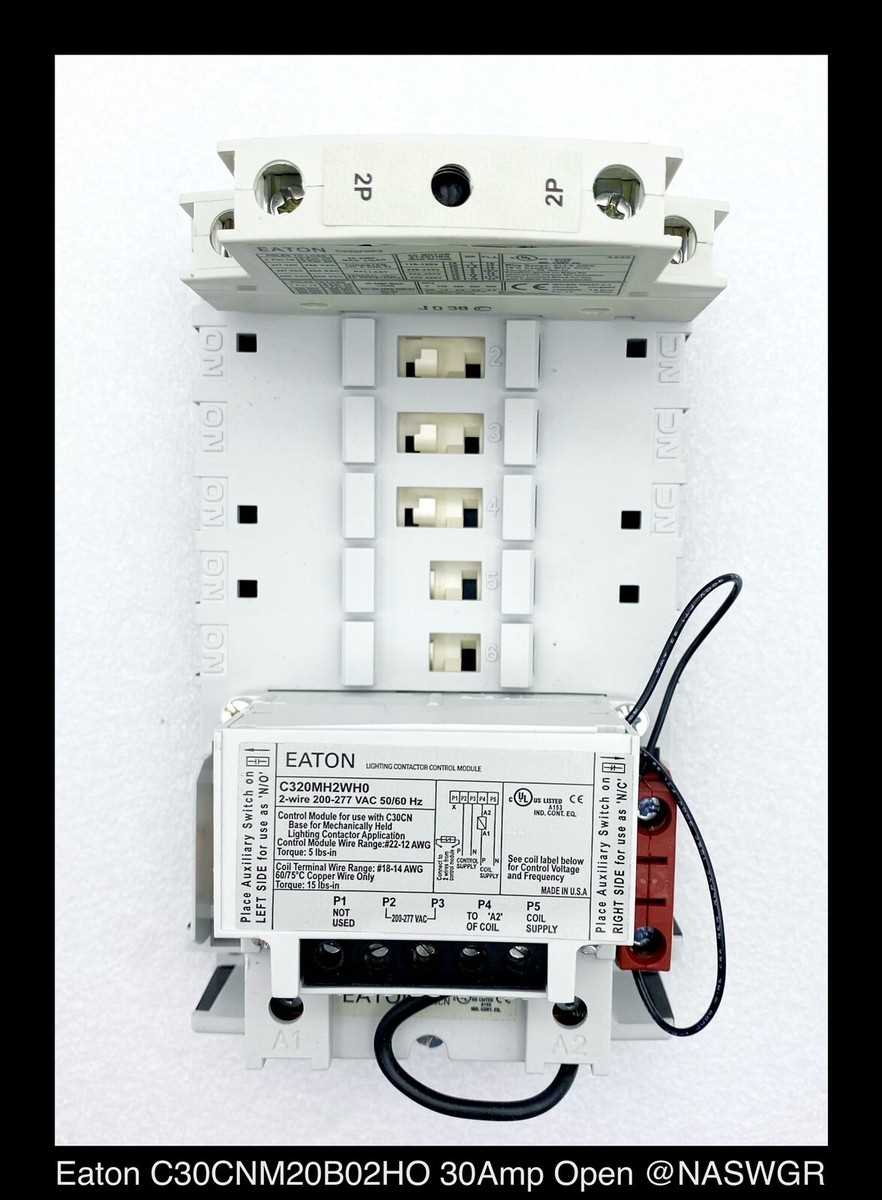
Label each power and control terminal clearly before starting connections. Verify the voltage ratings printed on the housing and match them with the incoming supply to prevent overloading.
Separate main load terminals from control coil leads. Main contacts handle high current while coils require low voltage; confusing these can damage the device instantly.
Use a multimeter to confirm continuity of each lead. Check that no shorts exist between adjacent terminals and that coil resistance aligns with manufacturer specifications for the rated voltage.
Document all terminal positions in a reference sheet. Note which line connects to which phase and which auxiliary contacts activate signaling devices to simplify troubleshooting later.
Verify polarity on DC coil connections. Reverse polarity may prevent actuation or trigger rapid overheating. Mark positive and negative terminals with colored tape for clarity during installation.
Inspect terminal blocks for tightness and oxidation. Loose or corroded connections increase resistance, producing heat and contact erosion. Clean metal surfaces and retighten screws according to torque guidelines.
Test actuation with a low-voltage supply before full load operation. Ensure that the coil engages and disengages the switching elements smoothly and that auxiliary contacts signal properly without sticking.
Label each coil lead and terminal after testing. This final check guarantees that future maintenance or replacement will follow the exact configuration, reducing downtime and installation errors.