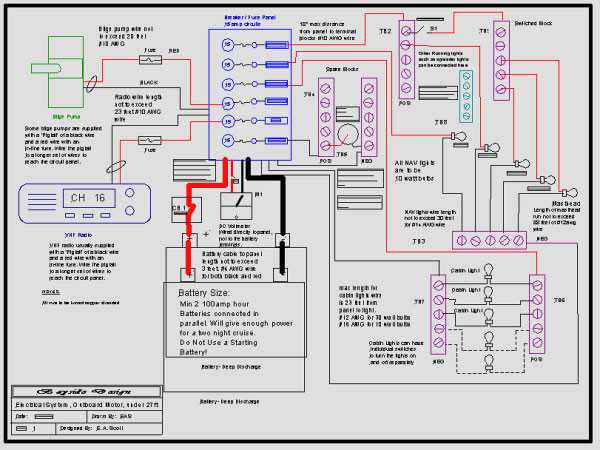
Install a 12V marine battery system with proper isolation switches to prevent backfeed and ensure safe power distribution to all onboard devices. Use heavy-gauge copper cables for main lines to reduce voltage drop over long runs.
Separate circuits for navigation, cabin, and auxiliary equipment to maintain stability and prevent overloading any single line. Each branch should include a fuse or breaker rated slightly above the maximum expected load.
Use corrosion-resistant terminals and connectors to withstand exposure to saltwater and moisture. Apply dielectric grease on connections to extend lifespan and maintain reliable conductivity.
Label all circuits and control panels clearly for quick identification during inspections or repairs. Include amperage and voltage ratings on switches and breakers to guide proper usage and prevent accidental faults.
Boat Electrical Wiring Diagram
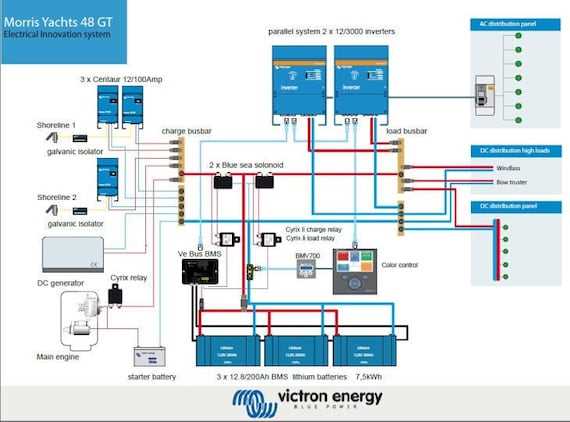
Use a 12V or 24V power system depending on the size of the vessel and total load requirements. Connect each battery to a master switch and install fuses or breakers at the main distribution point.
Separate circuits for navigation, cabin, and deck equipment reduce the risk of overload. Each branch should include a dedicated fuse rated slightly above the expected maximum current.
Choose marine-grade cables and connectors with tinned copper conductors to resist corrosion. Run cables along protected pathways and secure them with clamps to prevent chafing and vibration damage.
Label all terminals and panels clearly with voltage and amperage information. This improves safety during maintenance and allows for quick identification of each circuit’s function.
Install switches and control panels near operational areas while keeping main breakers accessible. Ensure each switch is rated for the connected load and is protected against moisture and salt spray.
Test all connections using a multimeter to verify voltage, continuity, and load performance. Check each fuse and breaker for proper operation before putting the system into full use to ensure reliability on the water.
Planning Power Distribution and Battery Connections
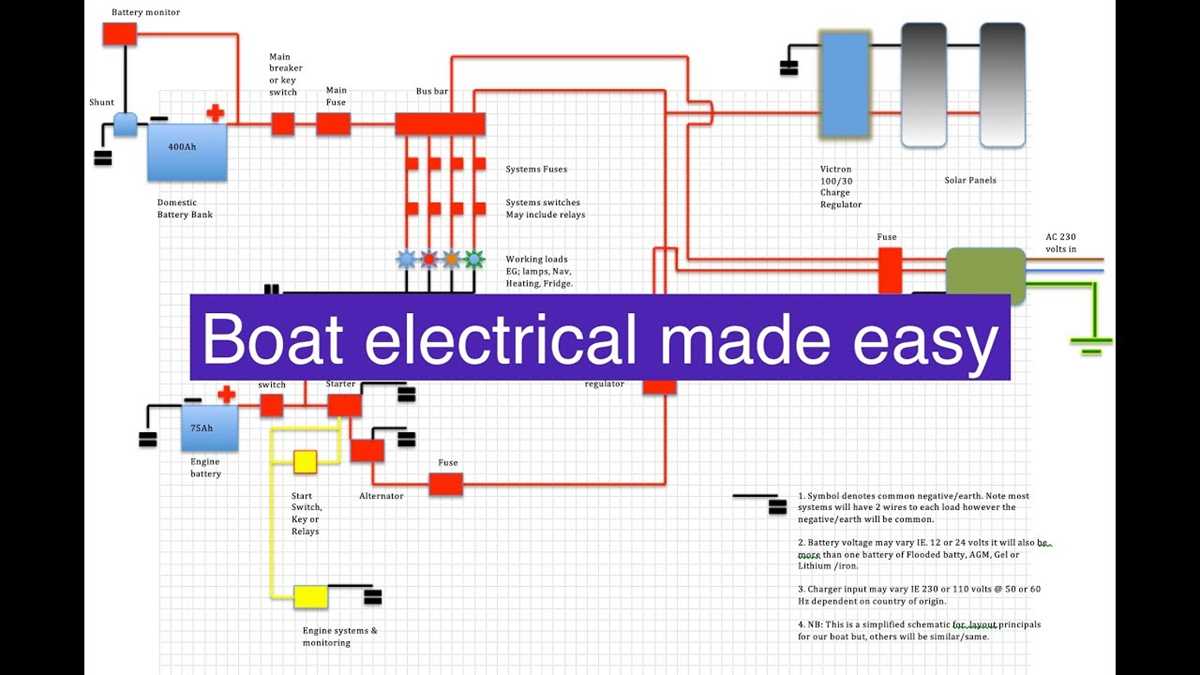
Install a main battery bank with a master isolation switch to control all onboard power. Select batteries with sufficient capacity for lighting, navigation instruments, and auxiliary devices, factoring in peak load periods.
Use bus bars for positive and negative terminals to consolidate connections. This reduces clutter and allows easier attachment of multiple circuits while maintaining clear separation of high and low-current lines.
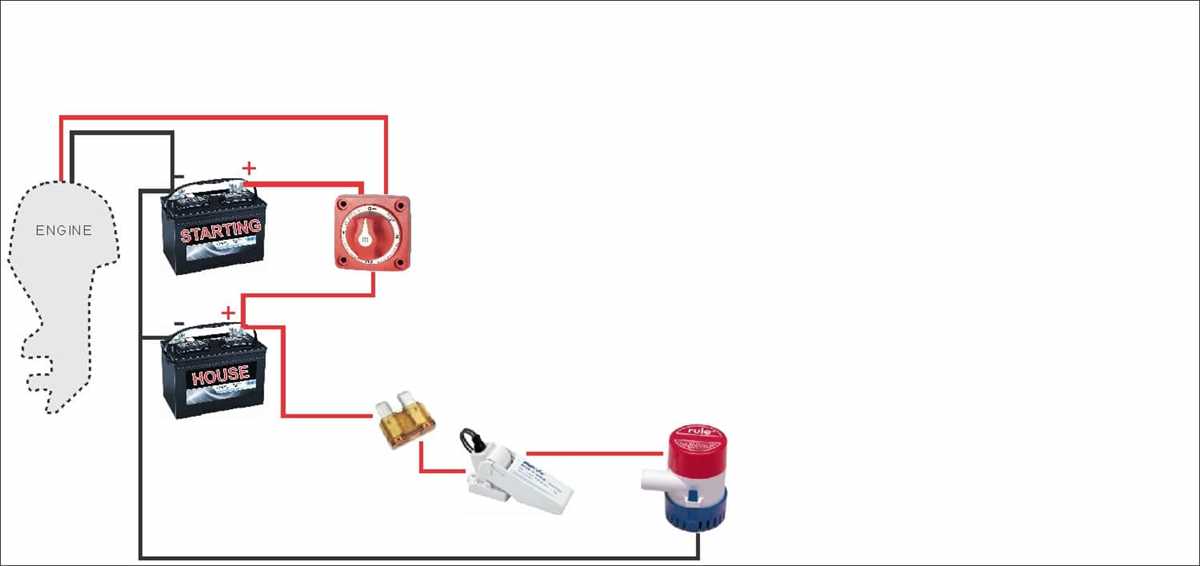
Separate critical systems such as navigation and communication from general cabin and deck loads. Each group should have its own fuse or breaker rated slightly above the expected draw to prevent accidental overload.
Install battery monitoring devices to track voltage, state of charge, and current flow. This ensures early detection of over-discharge, preventing permanent battery damage and maintaining reliable power.
Route cables through protected conduits and secure them with marine-grade clamps. Avoid areas where chafing or vibration could damage insulation, and maintain a neat layout for easier inspection and maintenance.
Test each connection individually before energizing the full system. Measure voltage drops along each branch, verify breaker operation, and confirm that all loads receive the correct voltage for safe operation on the water.