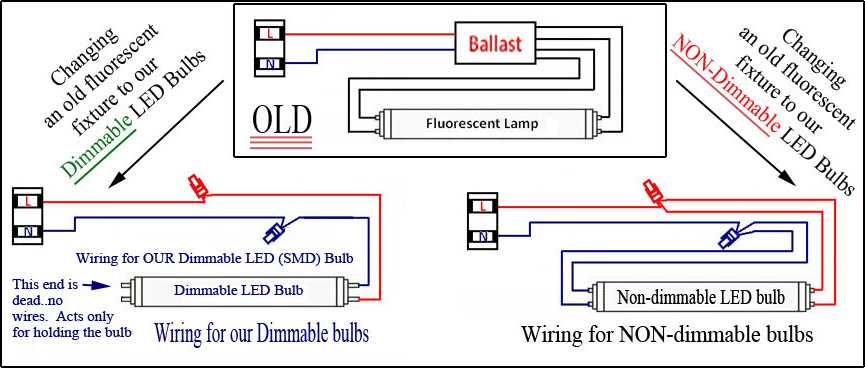
Ensure the power supply is turned off before making any connections to avoid shocks. Use a tester to confirm that no voltage is present at the terminals. Select insulated connectors rated for the fixture’s operating current to secure each lead firmly.
Match the ballast type to the lamp specifications for stable operation. Single-pin and double-pin fixtures require different starter arrangements, so verify the pin configuration before attaching wires. Attach the live wire to the input terminal marked L and the neutral to N to prevent reverse polarity.
Route wires along the fixture frame, avoiding sharp bends or contact with metal edges. Use cable clamps to hold leads in place, minimizing the risk of abrasion. Connect the protective conductor to the metallic housing using a green-yellow terminal for grounding continuity and safety.
Test the connection by switching on the supply briefly and observing the lamp’s ignition. If flickering occurs, check that all pins are fully seated and that the starter or electronic ballast is compatible with the lamp type. Replace any damaged or loose connectors before final operation.
Linear Light Fixture Connection Guide
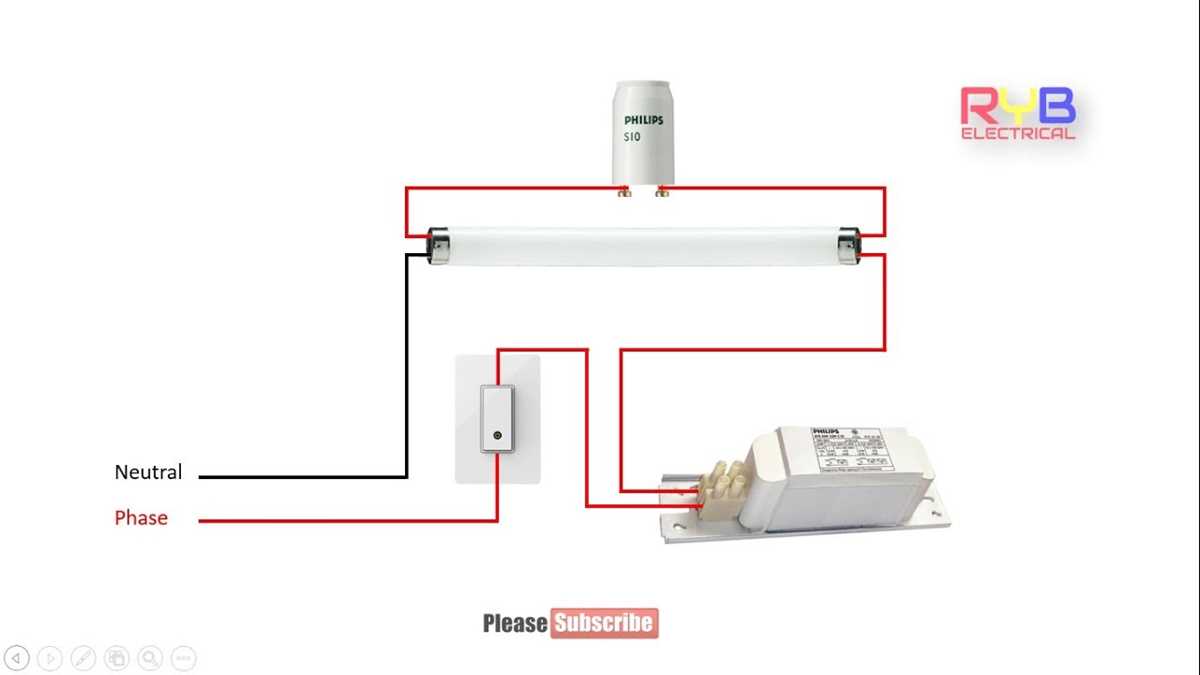
Connect the live wire to the terminal marked L and the neutral to N, ensuring secure attachment with rated connectors. Verify that each pin is fully seated into the holder to prevent loose contact that could cause flickering or failure.
Use an appropriate starter or electronic ballast compatible with the lamp’s type and length. For single-pin designs, insert the starter in series with the supply line, while for double-pin models, ensure both ends are properly engaged with the socket. Secure all leads along the frame to prevent abrasion and accidental disconnection.
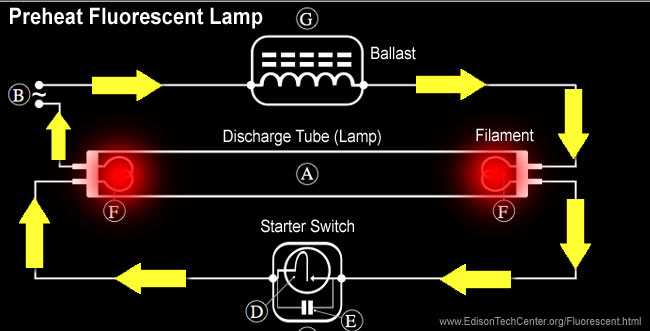
Attach the protective conductor to the metallic housing using a green-yellow terminal to maintain grounding continuity. After completing connections, briefly power the fixture to test ignition, observing for steady light without flickering. Replace any faulty holders or connectors before final operation to ensure reliable and safe illumination.
Selecting the Right Ballast and Starter for Your Tube
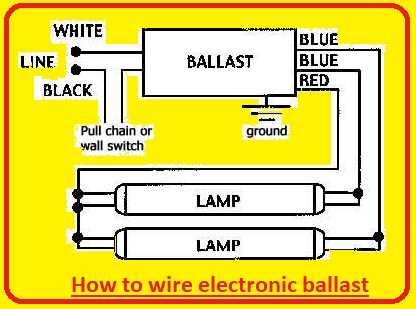
Choose a ballast rated for the lamp’s voltage and length to prevent overloading. Check the manufacturer’s label for maximum wattage and match it with the fixture’s total load to avoid premature burnout.
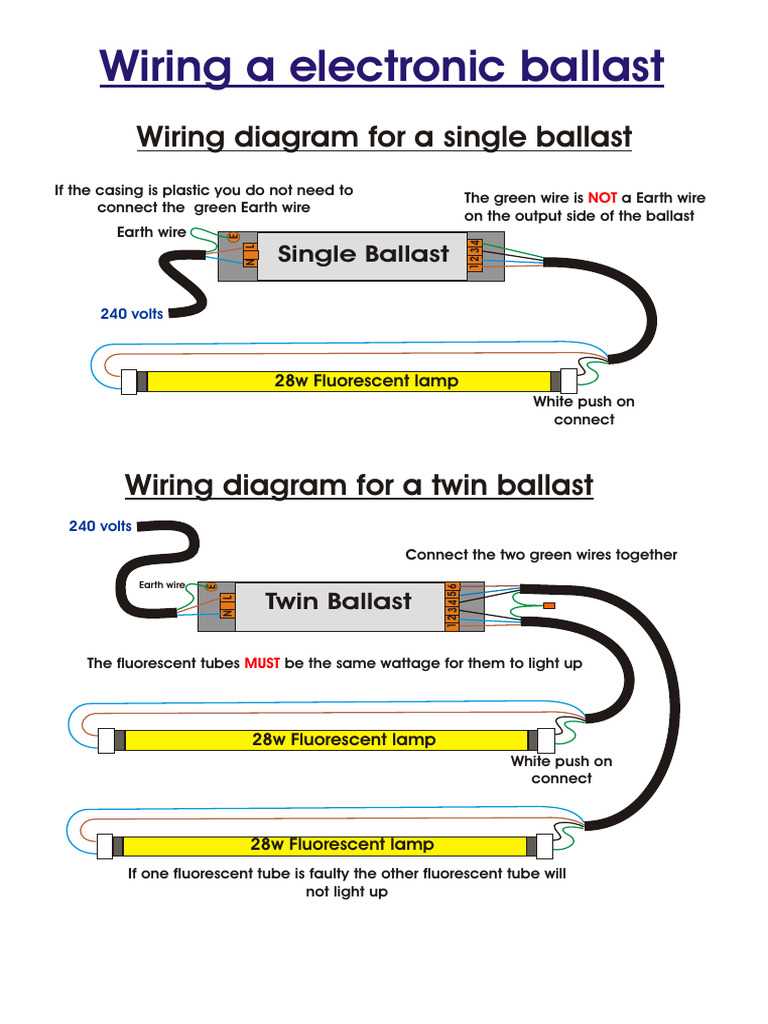
For ignition, select a starter that matches the lamp type. Use rapid-start starters for preheated designs and switch-start for standard single-pin units. Mismatched starters can cause flickering or failure to light.
Consider the electrical environment when choosing a ballast. Magnetic ballasts suit small-scale installations with limited temperature fluctuation, while electronic ballasts reduce heat buildup and noise for larger or enclosed setups.
- Verify compatibility with lamp length and diameter.
- Check ballast factor to maintain consistent brightness.
- Ensure starter pin configuration matches the socket type.
- Confirm operating temperature range aligns with fixture location.
Install the ballast close to the fixture to minimize voltage drop. Secure all connections with insulated terminals and avoid contact with metallic surfaces to prevent short circuits or electrical hazards.
After installation, test the fixture by powering on briefly. Observe the lamp for steady light and smooth ignition. Replace any component showing delayed start, excessive flicker, or uneven brightness to maintain safe operation.