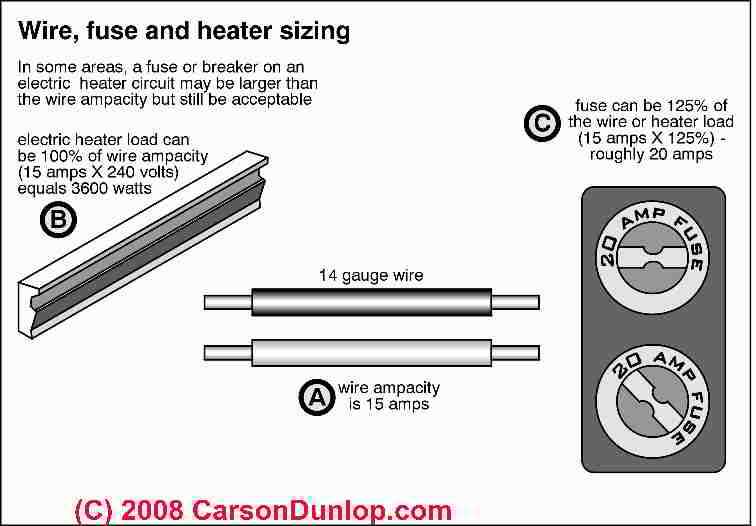
Before beginning the installation process, carefully plan the power supply and connections to avoid any electrical hazards. Make sure to choose the correct wire size based on the power requirements of your heating unit. Incorrect wire gauge can lead to overheating, which increases the risk of a fire. The wire used should be rated for the load to ensure safe operation.
Next, determine the proper breaker size. For most installations, a 30-amp double-pole breaker is recommended for heating units of this type. Make sure the breaker matches the specifications provided by the heater’s manufacturer to prevent any overload or short-circuit issues. The breaker panel should be easily accessible and correctly labeled to avoid confusion later on.
One of the most common mistakes during installation is improper grounding. Always ensure that the unit is correctly grounded to prevent electric shock or fire risks. Grounding should be done in accordance with local building codes and regulations. Double-check all connections to guarantee a solid ground connection.
Finally, after all wiring is properly connected, ensure that the heater is securely mounted and the unit is positioned in a location that allows for adequate airflow. Follow the manufacturer’s instructions for testing the system and checking for potential issues before turning on the power. Proper installation will ensure that your heating system operates safely and efficiently.
240V Electric Baseboard Heater Wiring Diagram
For a safe and successful installation, begin by selecting the appropriate wire gauge based on the power rating of the heating unit. For most 240V heaters, 12 AWG wire is sufficient. However, larger units may require 10 AWG. Always check the manufacturer’s specifications to ensure proper wire sizing. A wire too small for the current will overheat and could be dangerous.
Install a dedicated 30-amp double-pole breaker in your breaker panel to control the power supply. This ensures that the unit is properly isolated in case of an overload or fault. Double-pole breakers are designed to handle the higher voltage and power demands of heating units. Make sure the breaker is clearly labeled for easy identification.
Grounding the Unit
Proper grounding is a vital safety measure. Use the green or bare copper ground wire to connect the heater to the ground bar in the breaker panel. This will help prevent electric shock in case of a fault. Always confirm that the unit is properly grounded before connecting the power supply.
When routing the wires, avoid running them through areas where they could be pinched or exposed to high heat. Wiring should be securely attached to walls or surfaces, away from areas where it might get damaged. If necessary, use electrical boxes or conduits to protect the cables from wear and tear.
Final Checks
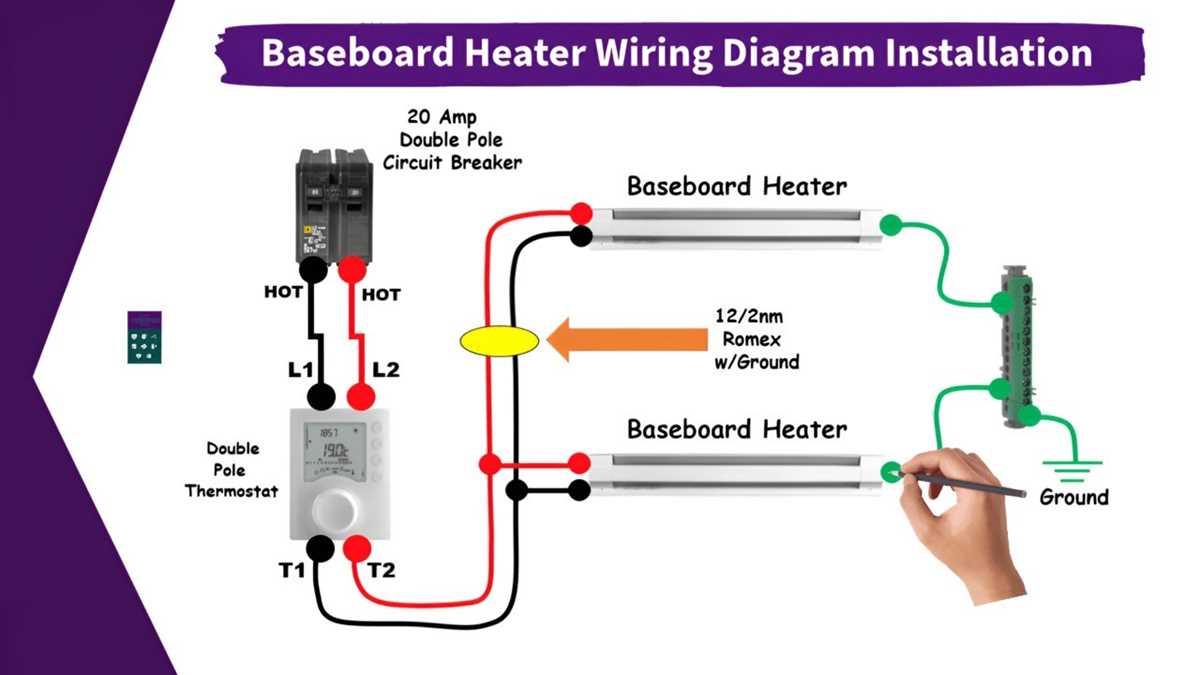
Before connecting the power, double-check that all connections are secure and that no wires are exposed. Inspect the breaker panel to ensure that the breaker is properly installed and labeled. Turn the power off during the installation process to avoid electrical shock.
Once everything is connected, it is recommended to test the system by turning on the breaker and verifying that the heater works correctly. If there are any issues, disconnect the power immediately and inspect the connections once more.
Following these installation steps will provide a safe and functional heating system. Always comply with local electrical codes and consult a professional if you are unsure about any part of the installation process.
Choosing the Right Wire Size for 240V Heater Installation
Select the correct wire size based on the power requirements of the heating system. For most installations, use 12 AWG wire for a 30-amp circuit. However, if the unit is larger or has specific power demands, you may need to opt for 10 AWG wire. Always check the manufacturer’s specifications to ensure the wire is suitable for the unit’s load and voltage to prevent overheating or damage.
Using the wrong wire size can lead to serious safety risks. If the wire is too thin, it won’t be able to carry the necessary current, causing it to overheat. On the other hand, using a wire too large for the application can make installation harder and more expensive without providing any additional safety benefits. Stick to the recommended wire size and make sure all connections are tightly secured for optimal performance.