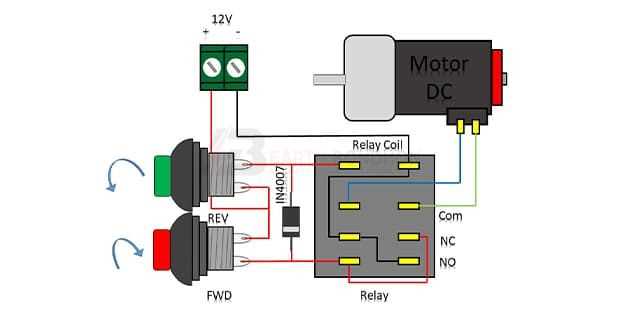
To wire a system that allows a motor to run in both directions, begin by using a double-pole, double-throw switch. This configuration lets you reverse the polarity to the motor’s windings. By toggling the switch, you can swap the direction of the current, ensuring the motor turns one way or the opposite based on the connection.
For safety and reliability, it’s important to integrate proper overload protection. When wiring the setup, be sure to use fuses or circuit breakers to prevent motor damage in the event of a malfunction. The use of a relay in this kind of wiring scheme can also provide additional control, particularly in automated systems.
In industrial applications, this setup is commonly employed in conveyors, cranes, and other machinery that require directional control. Understanding the nuances of wiring, such as the correct order of connections and how to implement fail-safe measures, ensures smooth operation and minimizes downtime due to electrical issues.
Wiring Setup for Reversible Motor Operation
To design a system that controls the direction of a motor, use a double-pole, double-throw switch for polarity reversal. This setup allows for alternating current flow through the motor windings. The key is connecting the terminals in such a way that when the switch is toggled, it flips the connections and alters the rotation direction. Ensure the switch can handle the motor’s load without risking overheating or failure.
Safety and Protection Measures
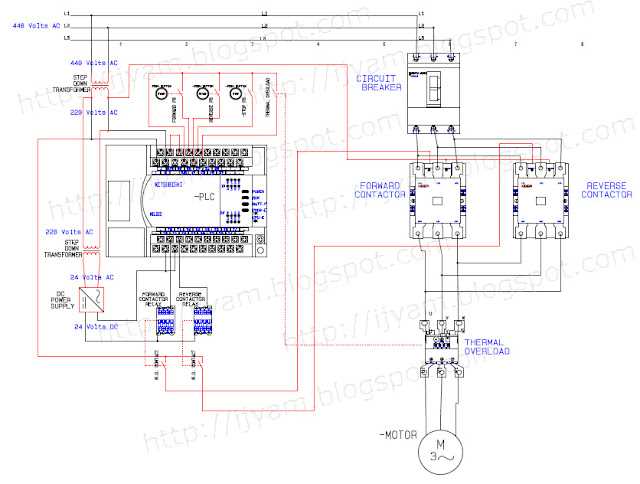
When designing these systems, always incorporate safety devices such as fuses or thermal protection. Overload protection will help prevent damage in the event of a short circuit or motor stall. A relay can also be added for remote or automated control, making it easier to manage the system from a distance. Proper grounding is critical to prevent electrical shocks and system malfunctions.
Wiring Setup for Motor Direction Control
To wire a system that controls the direction of a motor, start with a double-pole, double-throw switch. This allows for the alternating flow of current, which is key to changing the direction of rotation. The switch should be rated for the motor’s voltage and amperage to ensure safe and reliable operation. Each pole connects to one side of the power supply, while each throw will direct the current through different pathways to achieve the reversal of polarity.
Basic Wiring Components
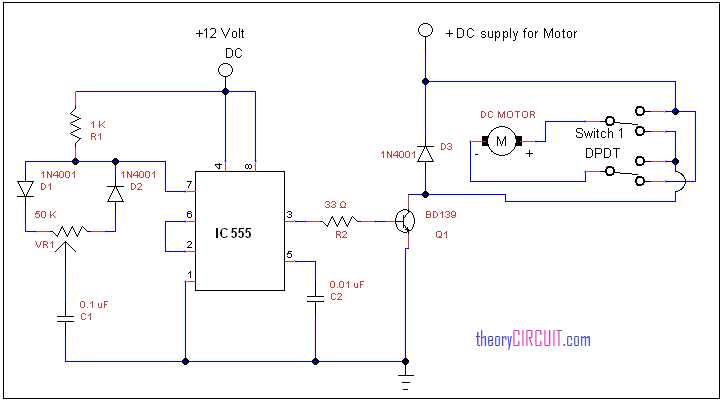
At a minimum, the basic components of such a setup include a power source, a double-pole, double-throw switch, and a motor. The switch should have a configuration that allows for two positions: one for normal operation and one for the opposite direction. The power source is typically connected directly to the switch, while the motor is wired to the output terminals. For greater flexibility, relays or contactors can be used to control the motor from a remote location or integrate it with automation systems.
Motor Connections
In a basic setup, connect the two leads from the motor to the output terminals of the double-pole, double-throw switch. One terminal will be linked to the motor’s lead for normal operation, while the other connects to the lead for the opposite direction. When the switch is flipped, the current will flow through one of the two leads, changing the polarity and thereby reversing the direction of the motor’s rotation.
- Motor lead 1 – connects to pole 1 of the switch.
- Motor lead 2 – connects to pole 2 of the switch.
- Switch position 1 – allows current to flow in the standard direction.
- Switch position 2 – reverses the current, causing the motor to rotate in the opposite direction.
Ensure that the switch’s poles are rated correctly for the current and voltage requirements of the motor. Overloading the switch can lead to overheating or failure. Always verify that the components are compatible with the system specifications to prevent electrical malfunctions.
Protection and Safety Measures
Incorporate overload protection to safeguard both the motor and the electrical system. Fuses or circuit breakers can be added to automatically disconnect power in the event of an overload. This helps prevent damage to the system and extends the lifespan of the components. Additionally, ensure proper grounding throughout the setup to reduce the risk of electrical shock or short circuits.
It is also advisable to use an emergency stop switch that disconnects power in case of a fault. This adds an additional layer of safety, especially in industrial environments where equipment failure could pose significant risks to personnel or equipment.
Relay Integration for Remote Control
For more advanced setups, especially in automated systems, relays can be incorporated. Relays allow for the motor’s direction to be controlled remotely, via a control panel or automated system. This setup is beneficial in manufacturing or industrial applications where motors need to operate in both directions at scheduled intervals or under specific conditions.
- Control relay – used to manage the switch remotely.
- Relay contacts – ensure that the motor’s polarity changes when the relay is activated.
Integrating a relay into the system allows the user to control the direction of the motor without manual intervention, reducing the risk of human error and increasing system efficiency. Ensure that the relay used is rated for the motor’s power requirements to prevent overload and failure.