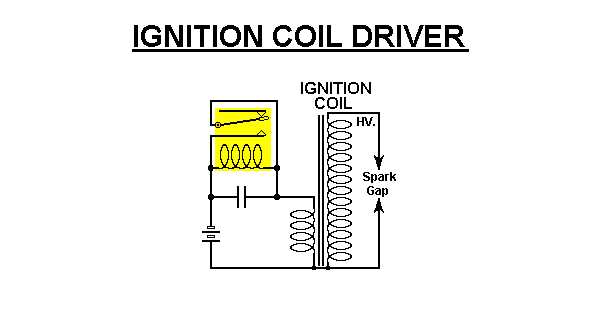
To build a functional ignition system for any vehicle, understanding how to connect and operate the high voltage components is crucial. The primary challenge lies in properly managing the signal that triggers these elements, ensuring timely and precise firing. A solid design approach involves selecting the right components, such as transistors or MOSFETs, to manage the large current required to activate the components. Pay close attention to the timing and voltage specifications to avoid misfires or electrical failure.
For a reliable setup, start by focusing on the power supply needed for the high-voltage trigger. Ensure your power source matches the required ratings for both the control system and the activation stage. Inaccurate voltage or timing discrepancies can lead to unreliable engine performance or, in worse cases, component damage. Keep in mind that using the wrong resistor or timing circuit may result in unnecessary strain on your electrical components, leading to overheating or premature failure.
Component selection plays a pivotal role in ensuring long-lasting performance. Choose transistors and diodes based on their maximum voltage and current handling capacities. A well-designed timing control unit also helps maintain the precision needed for proper engine performance. Regular testing and diagnostics are crucial to ensure that every part of the system is functioning within its intended limits.
Designing the Driver for High Voltage Activation Components
Begin with understanding the role of the control signal in managing high voltage components. To ensure proper operation, the activation stage must receive a precise timing signal from the controller. Without a correctly timed pulse, the high voltage components may either fire too early or too late, leading to engine misfires or reduced performance. Choose a triggering method that offers reliable timing, such as a transistor-based switch or MOSFETs, both of which can handle the high currents and voltages involved.
When selecting components, focus on their voltage ratings and current handling capacity. For instance, transistors must be rated for higher than the expected operating voltage, while the current rating should be sufficient to drive the high-voltage activation reliably. To optimize performance, ensure that the timing and signal pulse widths are accurate. A mistake here could lead to inefficient power usage and potentially burn out key components.
Building the Timing Mechanism
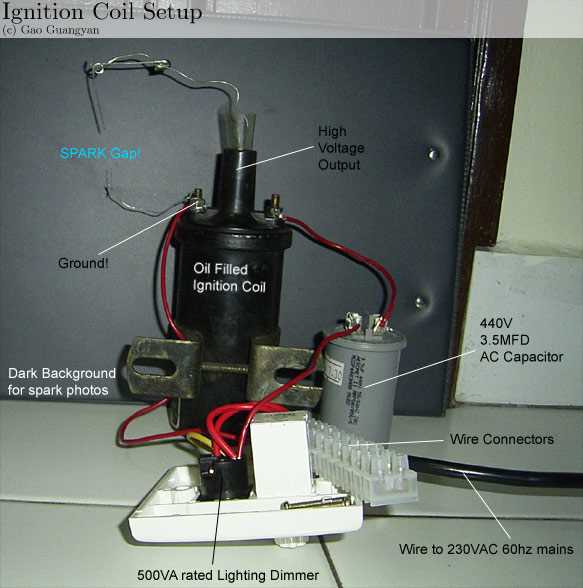
The timing mechanism plays a vital role in synchronizing the activation. Use a microcontroller or a dedicated timing IC to manage the pulse width and frequency. These components will control how the signal is delivered to the power switching elements. A simple but reliable method is using a 555 timer IC for generating the necessary pulse width modulation (PWM) signal. This ensures consistent activation, minimizing misfires and performance loss due to improper timing.
Another crucial aspect is signal conditioning. If the signal from your timing device is too weak or unstable, consider adding a signal amplifier or buffer stage before delivering it to the switching device. This will help prevent signal degradation and ensure the high voltage system functions as expected without any lag or distortion in the control signal.
Power Supply Considerations
The power supply must be able to provide stable voltage to the high voltage components. Using a well-regulated power supply is critical for maintaining consistent performance across all components. This includes the voltage regulator for low-voltage components and the high-voltage source for the activation unit. Ensure your power source can handle sudden spikes in current demand without voltage drops, which could lead to operational failure or component overheating.
Additionally, check the grounding and isolation of components. A poor ground connection or improper isolation can result in signal interference or electrical noise, which will affect the overall system performance. Ensure that all components have a solid, noise-free ground connection to avoid issues related to signal timing and voltage regulation.
Regularly test the system under load conditions to ensure that both the signal quality and power supply remain stable. Monitoring tools such as oscilloscopes can help in visualizing the signal characteristics and identifying potential issues in the timing or power delivery stages. Proper maintenance and timely testing will prolong the life of your system and prevent unexpected failures during operation.