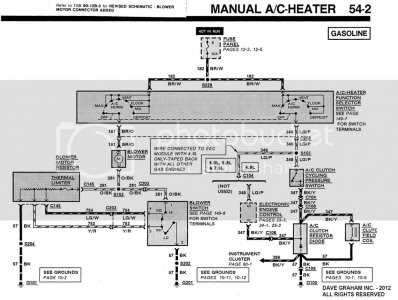
Check the power supply first before examining the electrical layout. Ensure the relay and fuse ratings match the vehicle specifications to prevent short circuits or motor damage.
Label each lead clearly during inspection. Color codes typically indicate the function of each line, such as activation signals, ground connections, or sensor feedback. Misidentifying a line can lead to system failure.
Use a multimeter to verify continuity across all terminals. Testing resistance and voltage levels helps identify broken paths or corroded connectors that reduce operational reliability.
Document any modifications made to the circuit. Recording changes ensures future troubleshooting is faster and prevents accidental reconnections that could trigger faults.
Pay attention to connector types and pin arrangements. Some units use weatherproof plugs with built-in safety mechanisms, and forcing incorrect connections can damage both the motor and control electronics.
AC Compressor Wiring Diagram Explained with Connections and Troubleshooting Tips
Start by confirming the power source voltage at the main plug. A consistent 12V or 24V reading ensures the relay and solenoid coil will engage without risk of overheating or tripping fuses.
Trace each line to its terminal and mark the function–signal input, ground return, or sensor feedback. Incorrect connections can prevent clutch engagement or cause erratic operation of the cooling unit.
Inspect connectors for corrosion or loose pins. Even a small amount of oxidation can increase resistance and lead to intermittent activation, which often mimics mechanical failure in the motor itself.
Test the control module outputs under load using a voltmeter while activating the system. This reveals shorts or open circuits in the path and allows targeted repairs without dismantling the entire assembly.
Identifying AC Compressor Wires and Their Functions
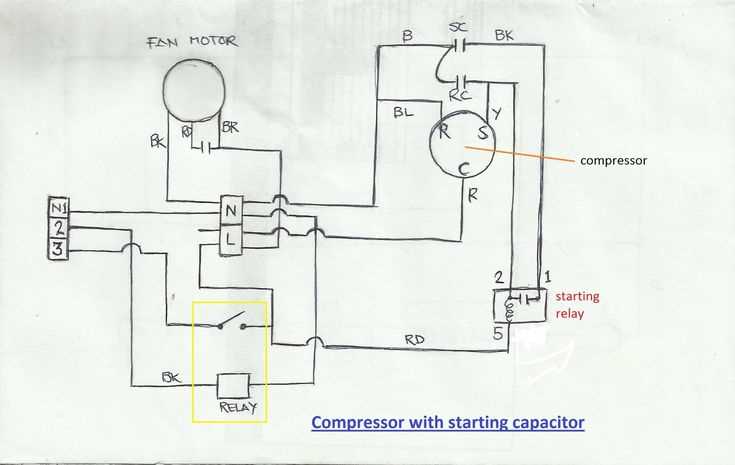
Begin by checking the color codes on each lead. Standard colors usually indicate specific roles:
- Black or brown – ground return
- Red – power supply from the fuse
- Blue or green – control signal from the thermostat or relay
- Yellow – pressure or temperature sensor feedback
Measure resistance across each line with a multimeter. Low resistance between ground and signal terminals confirms correct continuity, while a high or infinite reading suggests a broken path.
Inspect connector pins for bending or corrosion. Even a slightly misaligned contact can prevent the clutch from engaging, causing the motor to remain inactive despite proper voltage supply.
Document each connection on a small sketch. Labeling leads as “power,” “sensor,” or “control” helps avoid accidental cross-connections during repairs or upgrades.
Test activation by briefly energizing the relay while monitoring voltage at the terminals. This identifies faulty conductors or loose contacts without dismantling the assembly and confirms that each line performs its intended function.