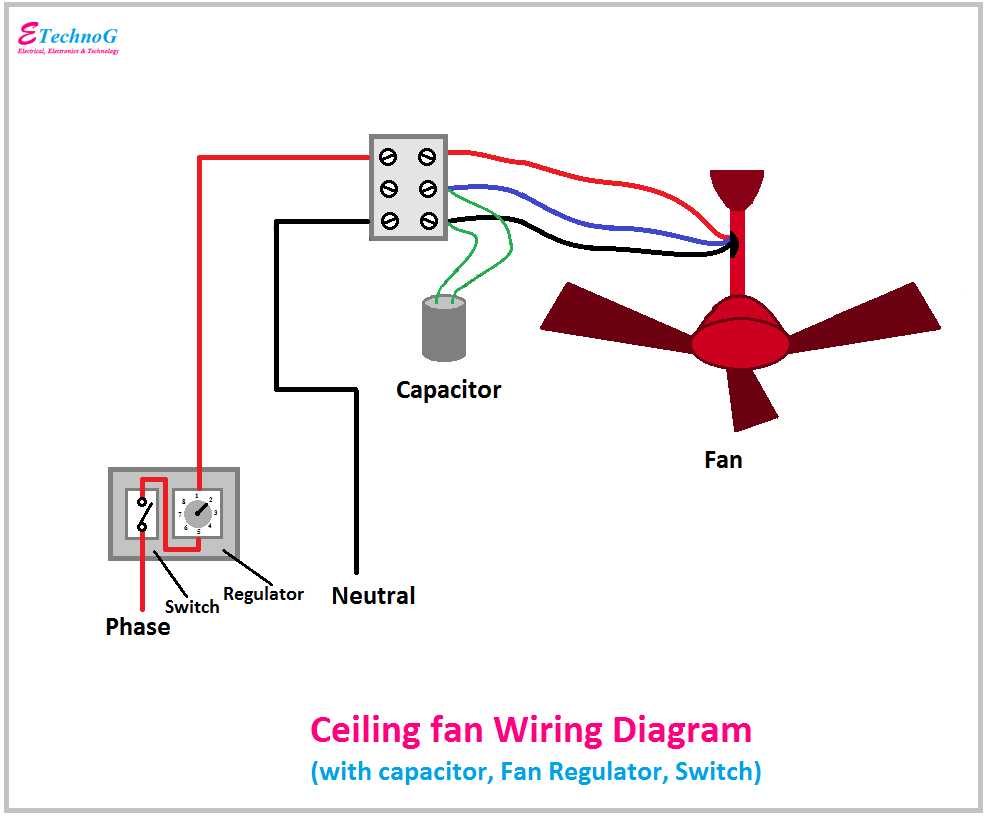
Connect the main power line directly to the motor terminals using 14 AWG stranded copper wire for single-speed models and 12 AWG for dual-speed or multi-speed setups. Ensure all screws are tightened to 25–30 inch-pounds torque to prevent sparking.
Route control leads separately from high-current conductors to avoid interference. Use color-coded insulation: black for live feed, white for neutral, and green for grounding. Maintain a minimum separation of one inch between power and control wires.
Install inline fuses or miniature circuit breakers rated slightly above the motor’s maximum draw. Place them near the wall switch or junction box for quick access in case of overload or short circuit.
Secure mounting brackets and canopy terminals before connecting any wires to avoid stress on connectors. Verify that all ground wires are attached to bare metal points inside the ceiling box for consistent grounding.
Label each wire and terminal clearly using heat-resistant markers or engraved tags. This simplifies future maintenance and reduces the risk of misconnection during component replacements.
Identifying Motor Power and Control Terminals
Locate the main power terminals first on the motor housing. Typically, these are marked with L for live and N for neutral. Use a multimeter to confirm continuity before making any connections.
Separate control terminals from the main supply to avoid interference. Common control leads include speed selector wires and reverse function connectors. Label each lead according to color coding: black for power, blue for medium speed, red for high speed, and white for neutral return.
Verify the ground connection point on the mounting bracket or metal canopy. Attach the green or bare copper wire securely, ensuring zero resistance between the motor chassis and the ceiling box metal frame.
Check all terminals for tightness and corrosion before completing the installation. Use a small brush to remove oxidation, and retorque screws to the manufacturer’s recommended value, usually 20–25 inch-pounds, to maintain stable operation under load.
Connecting Switches and Speed Regulators
Mount the main wall switch securely and connect the live wire from the power source directly to the input terminal. Confirm the switch rating matches the motor’s maximum current, usually 3–5 amps for standard models.
Wire the speed controller in series with the switch using 14–12 AWG stranded copper for single-phase operation. Label each output lead according to speed: low, medium, high, and reverse if available.
Testing Switch Functions
After connections, verify each speed setting with a multimeter across the output terminals. Ensure voltage drops are under 2% and the resistance between terminals aligns with the manufacturer specifications, typically 5–15 ohms depending on load.
Securing and Organizing Leads
Use cable clips or wire ties to separate high-current lines from control wires. Keep at least one inch spacing to prevent interference and reduce insulation wear over time. Double-check all screw terminals for tightness, aiming for 20–25 inch-pounds torque to avoid loose connections under vibration.
Ensuring Proper Grounding and Safety Checks
Connect the green or bare copper grounding wire directly to the metal chassis of the motor assembly. Use a star washer under the terminal to ensure firm contact with unpainted metal surfaces.
Inspect the junction box for secure mounting and absence of rust or oxidation. Replace any screws or brackets that show signs of wear, and tighten connections to at least 20 inch-pounds torque.
Verify continuity between all grounding points using a multimeter set to resistance mode. Resistance should be below 0.1 ohm to confirm effective grounding and prevent stray current hazards.
Check insulation on all supply and control leads. Replace any wire with nicks, cracks, or exposed copper. Maintain a minimum spacing of one inch between live and neutral conductors and grounded surfaces.
Test the entire assembly before full operation by switching on the main power and verifying that no sparks, unusual sounds, or excessive heat occurs at terminals. Confirm that switches and speed regulators respond correctly.
Label all ground connections and safety points clearly with heat-resistant markers. Maintain this reference for periodic inspection and future maintenance to ensure ongoing safety and reliable performance.