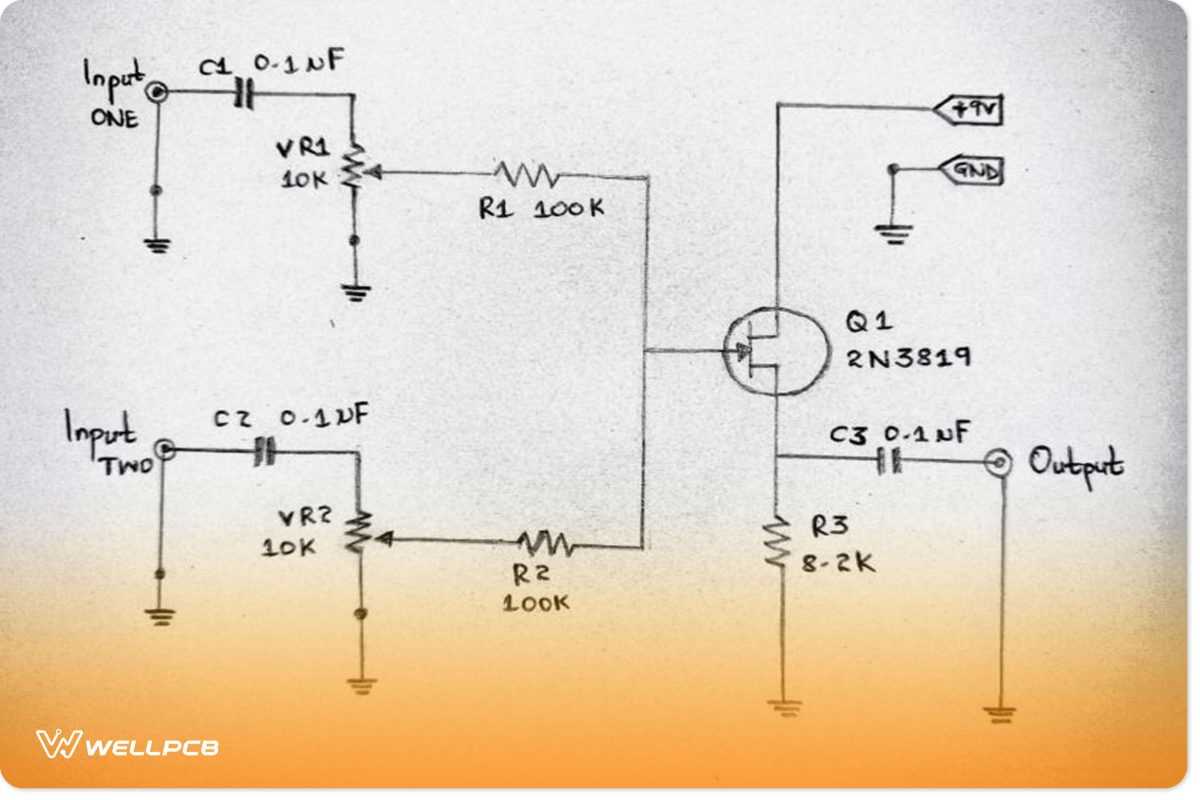
Use precise component placement to ensure stable signal combination and minimal interference. Arrange resistors, capacitors, and transistors according to recommended values to maintain predictable voltage levels and prevent distortion.
Trace the input and output lines carefully to verify correct connectivity between stages. Proper routing reduces noise and prevents feedback loops that can compromise audio or RF quality. Label each connection for clarity during assembly or testing.
Select suitable active elements based on the frequency range and gain requirements. Low-noise transistors or operational amplifiers improve linearity, while high-speed diodes manage signal mixing without introducing unwanted harmonics.
Measure key points with a multimeter or oscilloscope to confirm voltage and signal amplitude. Consistent readings across the layout indicate that components are functioning as intended, while deviations signal areas that need adjustment.
Implement decoupling and filtering around power lines to maintain clean operation. Small capacitors near active elements prevent voltage fluctuations, and RC filters at critical junctions suppress high-frequency spikes.
Detailed Signal Processing Layout and Component Guide
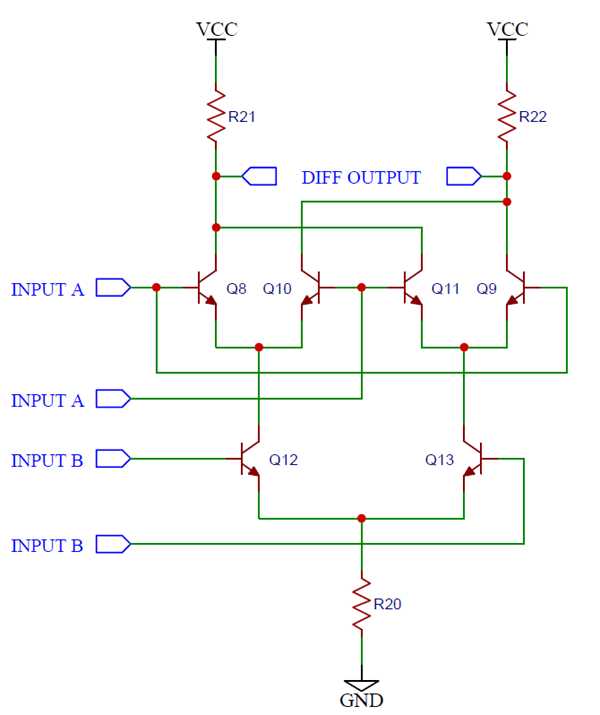
Place each resistor and capacitor according to calculated values to maintain stable voltage drops and prevent signal distortion. Use precision 1% tolerance resistors for critical paths and low-leakage capacitors for coupling stages. Ensure that active elements like transistors or op-amps are oriented correctly and powered within recommended voltage limits to avoid thermal drift and clipping at high frequencies.
Label and organize all connection points to simplify testing and modification. Group input, mixing, and output sections clearly, and keep signal lines short to reduce parasitic capacitance. Add small bypass capacitors near power pins to suppress high-frequency oscillations, and confirm each junction with an oscilloscope to verify amplitude and waveform integrity before final assembly.
Understanding Signal Paths in a Frequency Combining Setup
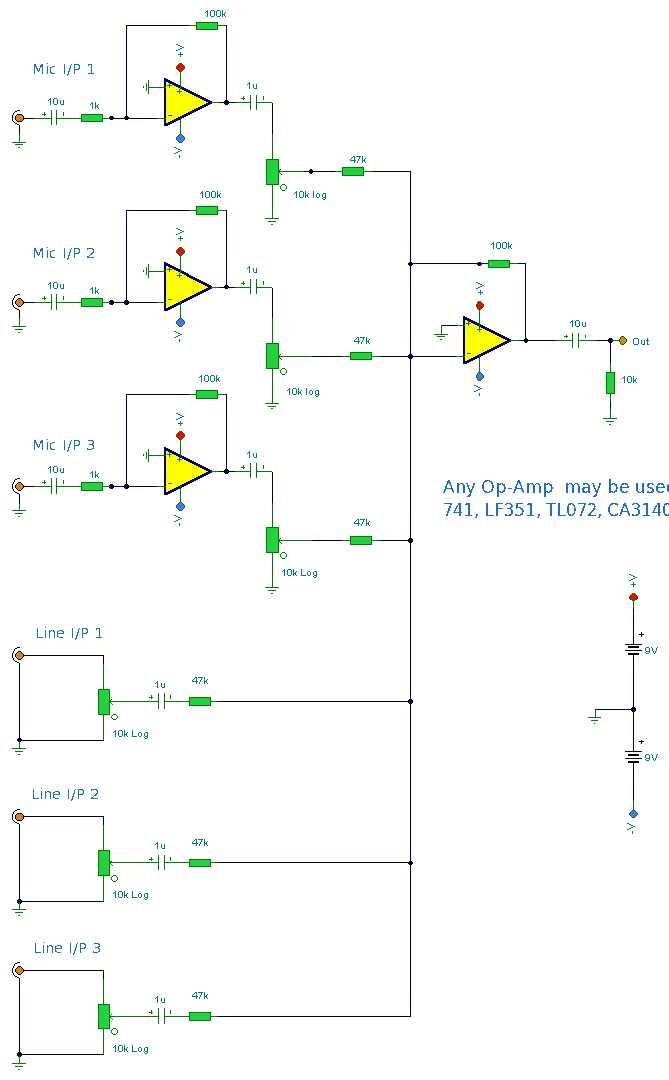
Map each signal route carefully to prevent interference and maintain waveform integrity. Identify primary input sources and ensure they flow through proper attenuation or amplification stages before reaching the mixing nodes. Maintain separation between high-gain and low-gain lines to reduce crosstalk, and keep traces as short and direct as possible.
Check and verify connections at every stage using these steps:
- Measure voltage levels at input, combining, and output points with a multimeter.
- Observe waveform shape using an oscilloscope to detect distortions or phase shifts.
- Confirm resistor and capacitor values match calculated specifications for each branch.
- Ensure active elements are correctly biased to prevent signal clipping or oscillation.
- Use decoupling capacitors near power pins to maintain stable operation across frequencies.
Following these measures helps maintain predictable signal flow, reduces unwanted noise, and ensures that each channel contributes correctly to the combined output without amplitude imbalance or phase errors.