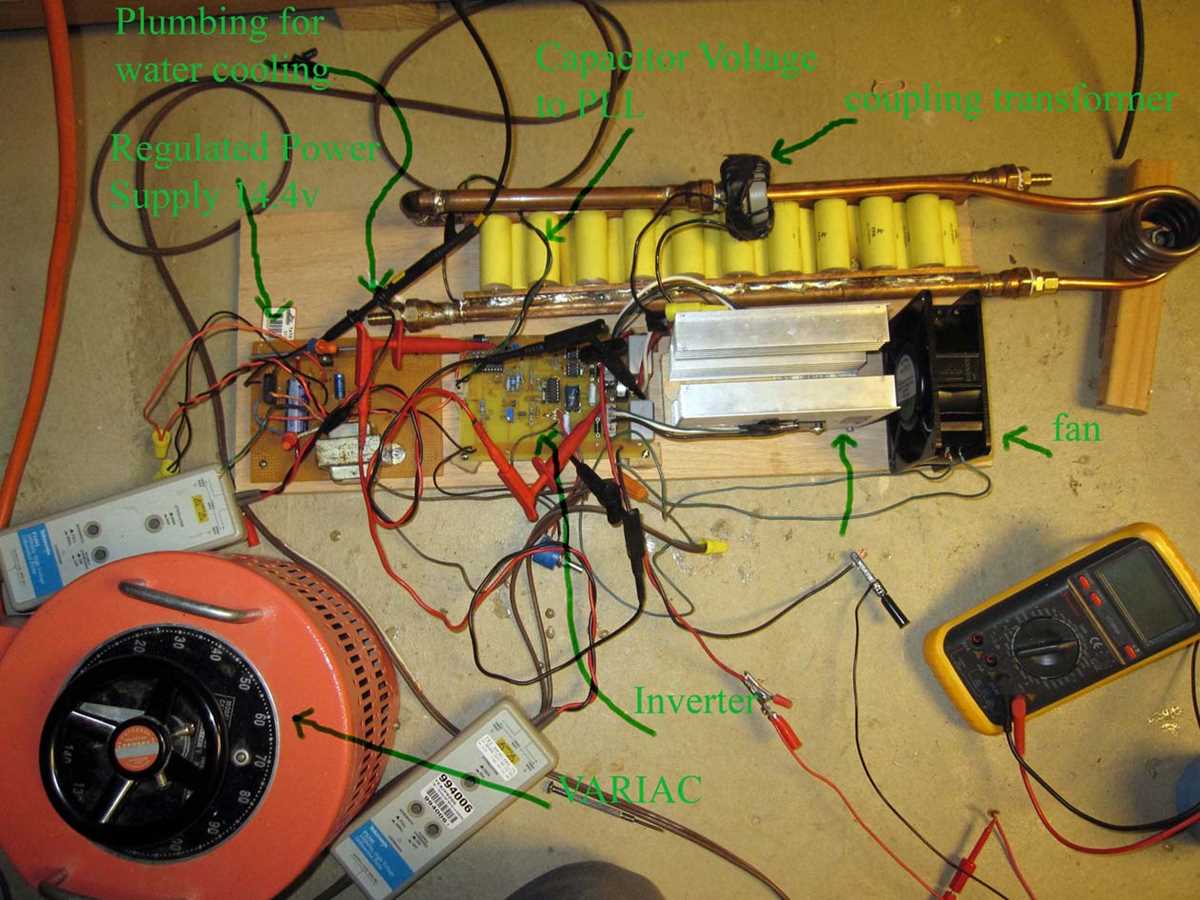
Check the power stage layout before assembling any high frequency heating device. A typical mains powered metal heating unit works from a 200–240 volt AC supply, rectified into high-voltage DC around 310–325 volts. This energy feeds a switching stage built with MOSFET or IGBT transistors that drive a copper work coil. The switching frequency usually falls between 20 kHz and 100 kHz, producing a strong alternating magnetic field around the coil.
The heating process relies on eddy currents generated inside conductive material placed within the coil. When steel, copper, or aluminum enters this field, circulating currents form in the metal and create heat due to electrical resistance. Small workshop devices often deliver 1–3 kW of thermal output, enough for brazing, bolt loosening, or heating metal rods for bending.
A typical electrical layout includes a bridge rectifier rated above 600 V, large electrolytic capacitors for smoothing the DC bus, and a resonant tank formed by the work coil and polypropylene capacitors. These capacitors commonly range from 0.33 µF to 1 µF each and are connected in parallel to handle high current flow. The resonant frequency of this LC network determines how the switching stage transfers energy into the coil.
Thermal management and conductor thickness must match the current level. Copper tubing coils with 4–6 mm outer diameter are often used because coolant can flow through the tube to remove heat. Transistors mounted on aluminum heat sinks with forced air cooling handle switching losses. Clear electrical schematics allow builders to see how the rectifier, driver stage, resonant tank, and work coil connect inside the device.
220V Induction Heater Circuit Diagram With Coil Driver Stage and Component Layout
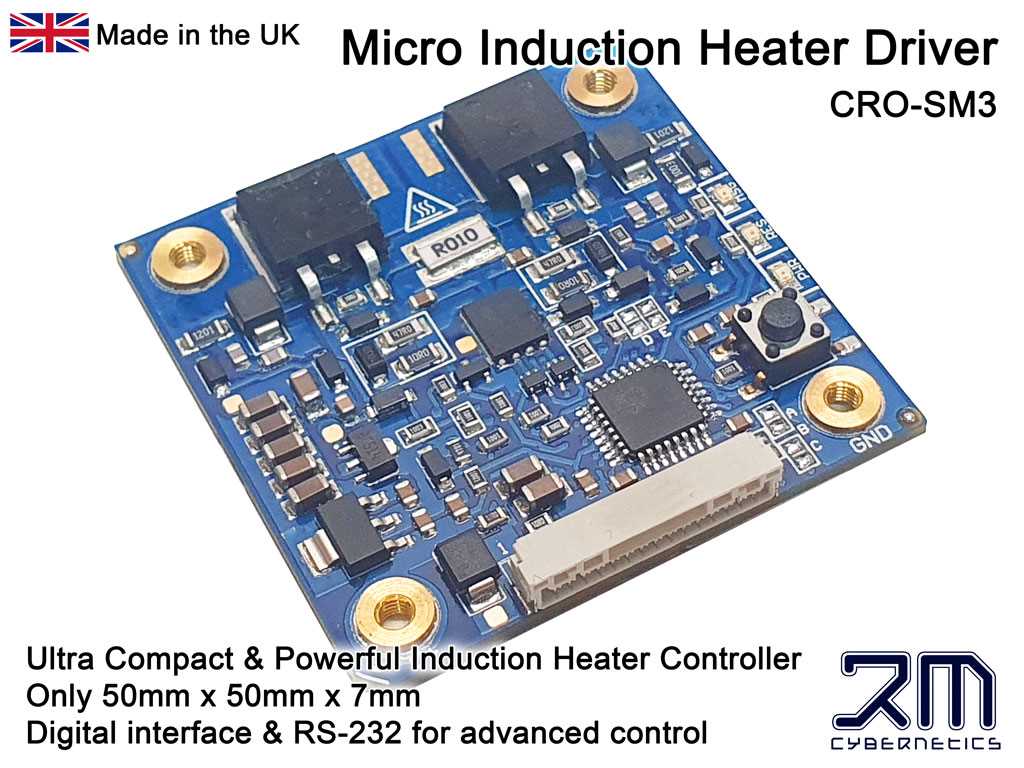
Place the rectifier and DC bus capacitors close to the switching transistors. A mains powered metal heating unit usually rectifies 200–240 V AC through a bridge rated above 600 V and 25–35 A. After rectification, the DC bus reaches about 310–325 V. Electrolytic capacitors between 470 µF and 1000 µF smooth the voltage and supply high current pulses to the transistor stage.
The switching stage normally uses two MOSFETs or IGBTs arranged in a half bridge or push pull configuration. Popular devices include models rated near 600 V and 40–60 A. Gate driver transformers or dedicated driver ICs control transistor switching at frequencies typically between 20 kHz and 80 kHz. Short gate traces and low inductance paths prevent unstable oscillation and reduce switching loss.
The resonant tank connects directly to the copper work coil and polypropylene capacitors. Capacitors designed for high current service often range from 0.33 µF to 1 µF each and several units are placed in parallel. The coil itself may use copper tubing with 4–6 mm diameter and 5–10 turns depending on the target frequency and workpiece size. This LC network defines the oscillation frequency and concentrates magnetic energy around the coil.
Keep conductor paths between the switching stage and the resonant network very short. Thick copper traces or bus bars handle currents that can exceed 50–100 A during operation. Install heat sinks with forced air or liquid cooling on the switching devices, while the copper coil often carries flowing coolant through its hollow tube. A clear electrical schematic showing the rectifier, switching transistors, resonant capacitors, and work coil allows technicians to trace energy flow and diagnose faults quickly.
Main Components in a 220V Induction Heater Circuit and Their Electrical Roles
Select a rectifier bridge rated far above the expected current load. A mains powered metal heating unit first converts AC input into high voltage DC. A full bridge rectifier rated around 600–1000 V and 25–50 A performs this conversion. After rectification, the DC level usually reaches about 310–325 V. The rectifier must tolerate surge current during startup and switching pulses from the power stage.
Install large electrolytic capacitors directly after the rectifier stage. These components smooth voltage ripple and supply stored energy during switching cycles. Typical values range between 470 µF and 1500 µF with voltage ratings above 400 V. Multiple capacitors connected in parallel lower equivalent series resistance and improve current handling.
The switching section produces the high frequency magnetic field that heats metal objects. This stage normally uses power transistors such as MOSFETs or IGBTs connected in half-bridge or push-pull configuration. Devices rated near 600 V and 40–75 A are common in workshop equipment delivering 1–3 kW of heating output.
Provide a dedicated driver for transistor gates. Driver transformers or specialized IC chips generate synchronized switching signals. Stable timing prevents both transistors from turning on at the same moment, which would cause destructive current flow through the DC bus.
The resonant network transfers electrical energy into the work coil. This section combines high current polypropylene capacitors with the copper coil to form an LC tank. Capacitors usually fall between 0.33 µF and 1 µF each and several units operate in parallel to support current that can exceed tens of amperes.
The copper work coil creates the magnetic field that heats metal. Tubing coils with 4–8 mm outer diameter are common because coolant can circulate through the tube. The number of turns usually ranges from 5 to 10 depending on target frequency and object size.
Additional support components stabilize the electrical system:
- snubber capacitors that limit voltage spikes across switching devices
- fast recovery diodes placed across transistors
- current sensors used for protection circuits
- NTC thermistors that reduce startup surge
Cooling hardware prevents thermal damage during continuous operation. Heat sinks attached to switching devices dissipate power loss, while the copper coil often carries flowing water. Without proper cooling, transistor junction temperature can exceed safe limits within minutes during high power operation.