To ensure the smooth operation of your stove, it’s crucial to identify the components that make it function efficiently. The burner assemblies, ignition system, and control valves play a pivotal role in the overall performance. By understanding how each part interacts, you can make better-informed decisions about maintenance or repairs.
The burner heads and ignition switches are among the most used elements, and wear over time is inevitable. Pay close attention to any signs of rust or damage. Replacing these components promptly will avoid uneven heating or ignition issues. Additionally, ensuring the proper alignment of the burner grates is key for safe and consistent cooking results.
The control knobs and valve regulators are the next critical items to monitor. These should rotate smoothly without resistance. If you notice any difficulty when adjusting heat levels, it’s time to inspect the underlying components. Leaky gas valves can pose safety risks, so timely replacement is recommended. Keep an eye out for damaged seals or worn-out parts in the connections to prevent potential leaks.
Lastly, the burner caps and drip pans require regular cleaning to maintain optimal performance. Excess grease or spills can affect the heat distribution and lead to poor cooking outcomes. It’s recommended to wipe these components clean after every use to maintain their longevity.
Gas Appliance Component Breakdown
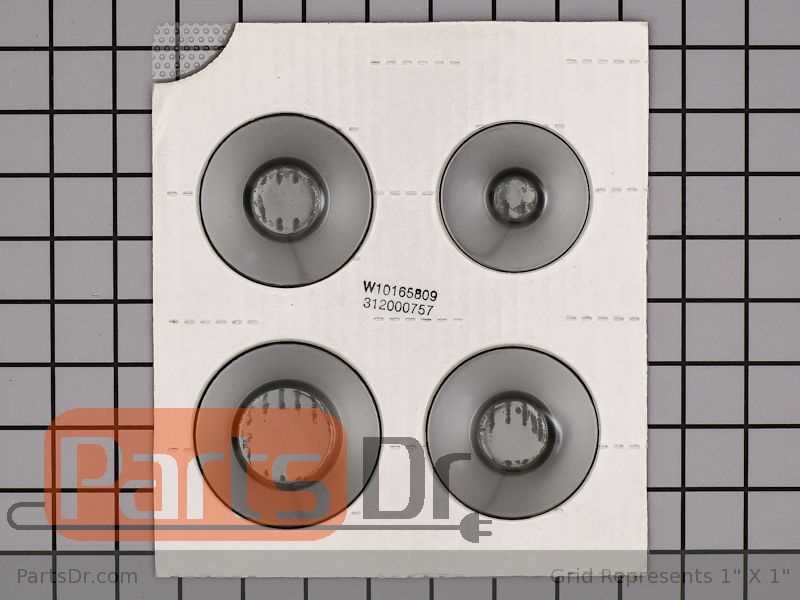
For quick identification of components, focus on understanding the function of each piece in the setup. The burner assembly is a central element, with its ignition components responsible for creating the spark. Keep in mind the difference between the manifold and the valve controls, as the manifold distributes gas to the burners, while the valves regulate the flow. Pay close attention to the burner caps and their placement; they ensure even heat distribution and efficient combustion. Regular inspection of the spark module and electrode ensures reliable ignition each time you light the unit.
The oven’s interior parts, like the bake and broil elements, serve distinct roles in heat distribution. Both parts should be tested regularly for continuity to prevent issues. The door seal is another area that requires routine checking. A damaged seal leads to heat loss and inefficient cooking. Ensure proper alignment of the racks, as uneven positioning can affect cooking performance.
Understanding the function of each knob and control is key. The knobs are directly connected to the valve stems, which adjust the gas flow based on your setting. Be aware of any wear or loosening in these parts, as they may require replacement or tightening to ensure proper functionality.
Lastly, make sure to clean and maintain the burners, as accumulated grease or food particles can obstruct the flames, leading to uneven cooking or burner malfunction. Regularly remove the grates for cleaning and inspect for any cracks or warping that could compromise their integrity over time.
Understanding the Main Components of a Kitchen Stove
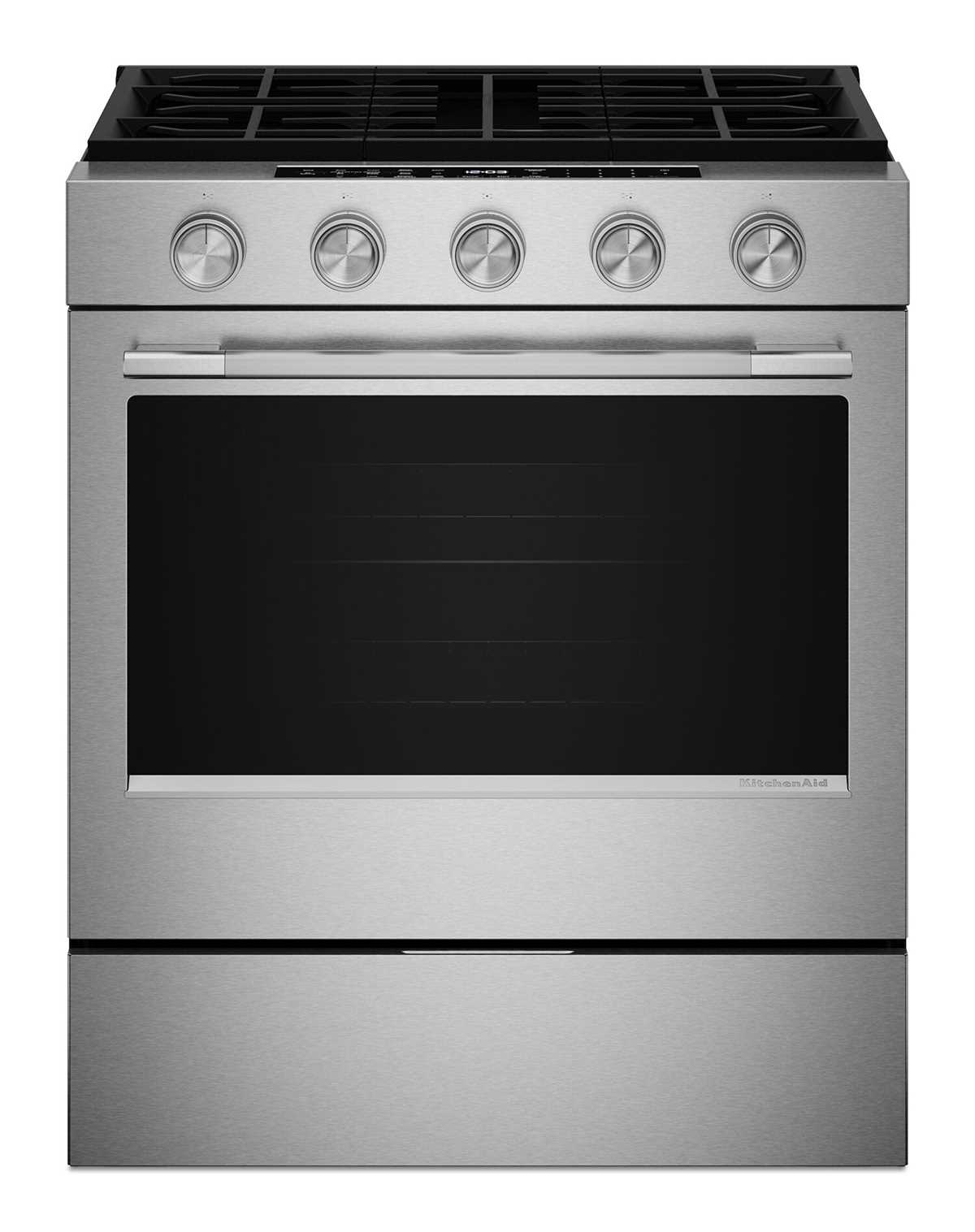
The cooktop, the heart of your stove, contains burners that are fueled by natural or liquid propane. These burners are regulated by control knobs, which manage the flame size and heat output.
Below the cooktop lies the oven section, which features heating elements, either gas burners or an electric coil setup. This area typically includes a thermostat to control the internal temperature, allowing for consistent cooking conditions.
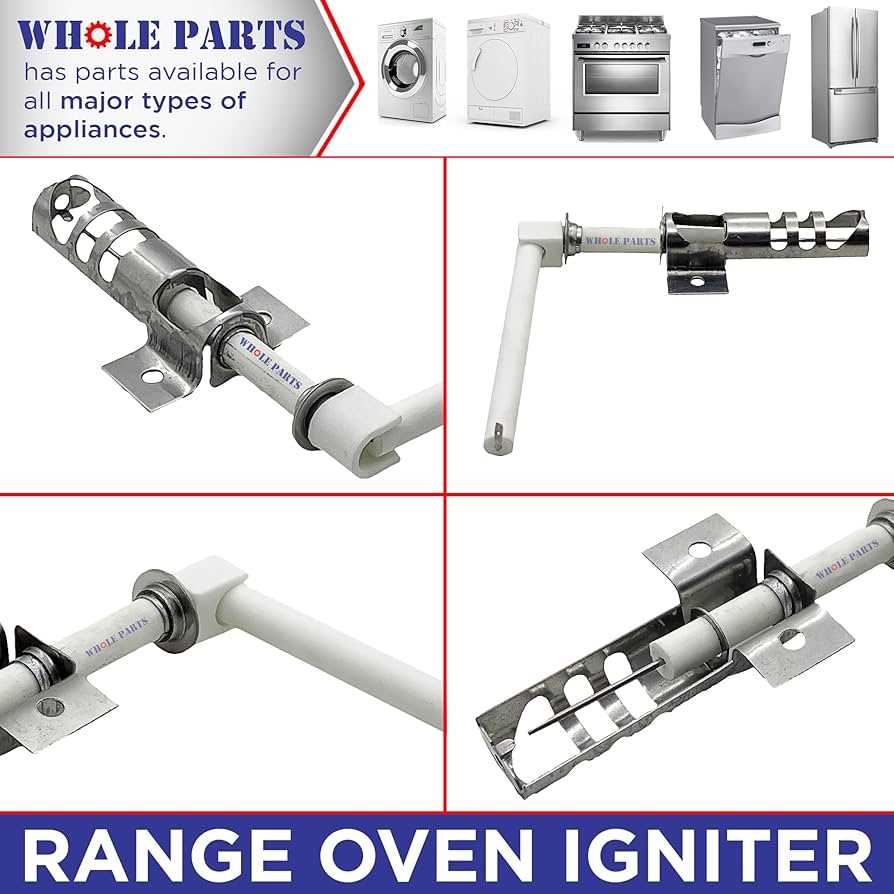
Another key feature is the ignition system, responsible for lighting the burner. This may be achieved through a pilot light or an electronic ignition system. The ignition system connects to a spark module, which creates the necessary electrical charge to start combustion.
The oven’s door seal plays a critical role in heat retention. A high-quality seal ensures that heat is maintained inside the cooking chamber, preventing unnecessary energy loss and improving cooking efficiency.
The burner grates sit above the burners, providing support for cookware while allowing air to circulate. These grates come in various materials, with cast iron being popular for its durability and heat retention properties.
- The burner assembly controls the flow of gas to each burner, ensuring safety and even heat distribution.
- Ventilation systems, such as range hoods, serve to exhaust smoke and vapors generated during cooking, maintaining a clean and comfortable kitchen environment.
- Each oven typically has a broiler element located at the top, offering intense heat for broiling food quickly.
Understanding how each part functions helps in identifying issues and performing proper maintenance, ensuring optimal performance over time.
How to Identify and Replace Faulty Appliance Components
Inspect for irregular heat distribution, delayed ignition, or unresponsive controls. These may indicate problems with the burners, ignition system, or control knobs. Listen for unusual sounds, such as clicking or gas flow interruptions, which can signal malfunctioning components.
Examine the ignition mechanism. A weak or absent spark may mean the igniter is dirty or worn. Clean or replace the igniter if needed. If the spark is intermittent, check the wiring for frays or corrosion and ensure the electrode is in proper alignment.
If the burner fails to ignite or produces an uneven flame, check for blockages in the burner ports. Clean any debris using a small needle or brush. If this doesn’t fix the issue, the burner may need to be replaced due to wear or damage.
Inconsistent temperature regulation often points to a faulty thermostat or thermocouple. Test the thermocouple’s continuity with a multimeter. Replace it if it fails the test, as a malfunctioning thermocouple can cause gas leaks and prevent the appliance from heating properly.
A blocked or defective valve can prevent ignition entirely. Clear any debris around the valve and check the solenoid for functionality using a multimeter. A damaged solenoid should be replaced to restore proper operation.
After identifying the faulty part, ensure that the replacement is compatible. Secure all connections during installation and conduct a thorough test to verify the appliance is working as expected.
Common Issues and Troubleshooting with Kitchen Cooking Appliance Components
If the burners don’t light, check the igniter. A faulty igniter won’t spark and ignite the burner. If the igniter is damaged, replace it. Ensure the burner caps are correctly positioned, as misalignment can prevent ignition. If gas flow is restricted, examine the gas valve for clogs or blockages.
If the oven isn’t heating properly, inspect the bake element. A broken or burned-out element can prevent the oven from reaching the desired temperature. Test the element for continuity using a multimeter. Also, check the thermostat, as a faulty one may give inaccurate readings, leading to inconsistent heating. For poor temperature regulation, the temperature sensor may be miscalibrated or malfunctioning, requiring replacement.
If the oven door doesn’t close tightly, check the door seal. A worn or damaged seal can lead to heat loss and inefficiency. Clean the seal regularly and replace it if necessary. Ensure the hinges aren’t bent, which could cause the door to misalign.
If the appliance makes unusual noises during use, inspect the fan motor. A worn fan motor can cause grinding or rattling noises. Lubricate or replace the motor depending on the severity of the sound. Also, verify that there are no objects obstructing the fan blades, which can lead to noise and overheating.
If the appliance shows uneven heating, check the burner rings. These can become warped or cracked over time, leading to uneven heat distribution. Ensure the burner rings are level and undamaged. If not, replace them to restore proper heating performance.