To build a functional power source for lighting applications, selecting appropriate components is the first step. Inductors, capacitors, and resistors each serve a distinct purpose in ensuring stable voltage and smooth operation. Carefully balancing their values is key to maintaining performance without causing overheating or excessive energy loss.
Inductors help regulate the flow of energy by resisting changes in voltage, making them ideal for filtering out high-frequency noise. They can also smooth out the output of the power source, ensuring a steady flow to the connected light source. Capacitors, on the other hand, absorb excess voltage spikes, preventing damage to the system and stabilizing fluctuations in power. The resistors in the setup maintain the correct impedance and limit current to the light components.
Next, focus on how the system will handle varying input voltages. A voltage regulator may be necessary to maintain consistent performance. Its role is to ensure that any changes in input do not affect the LED’s output, providing a stable and reliable light source. The precision of this setup determines whether the application will run efficiently over an extended period without degradation in performance.
Designing a Power Supply for Stable Light Output
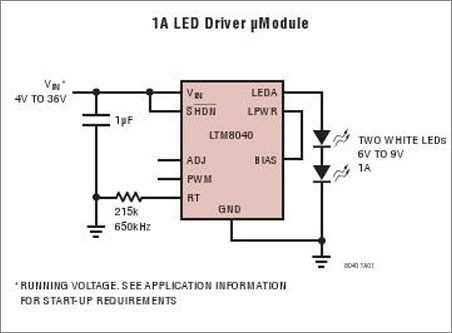
Begin with selecting a suitable voltage regulator to stabilize fluctuations in the input supply. It’s important to choose a regulator with low dropout voltage, as this ensures better efficiency and prevents voltage dips. A linear regulator is often preferred for simple setups due to its ability to handle small changes in voltage without compromising the stability of the output.
Choosing the Right Components
Key components in the design include resistors, capacitors, and inductors. Each of these parts serves to maintain a steady flow of electricity to the light source. Proper selection of values for each component is necessary to ensure the device can operate within desired specifications without overheating or consuming excessive power. For example, resistors help set the load, capacitors smooth out voltage fluctuations, and inductors filter high-frequency noise.
- Resistor value: Choose a resistor that matches the required impedance of the connected light module.
- Capacitor size: A larger capacitor can handle greater fluctuations, but may require more space and power.
- Inductor rating: Ensure the inductor is capable of handling the power demands without saturation.
Setting the Power Limits
Once the components are selected, it’s critical to ensure they are arranged in a way that limits the power delivered to the load. One common approach is using a current-limiting resistor, which helps protect the light source by preventing excessive power from reaching it. Calculating the correct resistance value is important to avoid damaging the LEDs.
To adjust the output characteristics, consider using a feedback loop with a transistor. This method ensures that the power remains consistent under varying input conditions. The transistor can act as a dynamic switch, automatically adjusting the power flow to maintain a steady output.
Testing the setup with a multimeter and oscilloscope can help verify the stability of the output. Ensure that the light module operates within its voltage and current range, and make adjustments as needed to fine-tune the performance.
Choosing the Right Components for a Power Supply Circuit
Selecting components for a stable power system starts with choosing the right voltage regulator. For most applications, a low-dropout regulator (LDO) ensures consistent output despite small variations in the input. It helps avoid significant drops in voltage and keeps the power delivery smooth, which is crucial for preserving the lifespan and performance of the connected devices.
Inductors and Capacitors
Inductors are used to limit high-frequency noise and smooth the signal. When selecting an inductor, consider the current rating and inductance value. Too low of an inductance may not filter out enough noise, while too high can reduce the response time of the system. Capacitors, placed in parallel with the load, store energy and help filter out voltage spikes, so the right capacitance size is critical to avoid instability in the system.
Resistors and Transistors
Resistors control the amount of voltage drop across the circuit and help in setting the overall impedance of the system. Choose a resistor that matches the total load requirements to avoid under or overdriving the system. For efficient power regulation, consider using a transistor to provide a feedback loop that can adjust the voltage or power automatically depending on input changes.
When assembling the system, ensure all components can handle the required load without overheating or performance degradation. Conduct thorough testing with a multimeter and oscilloscope to verify that all components operate within their optimal parameters.