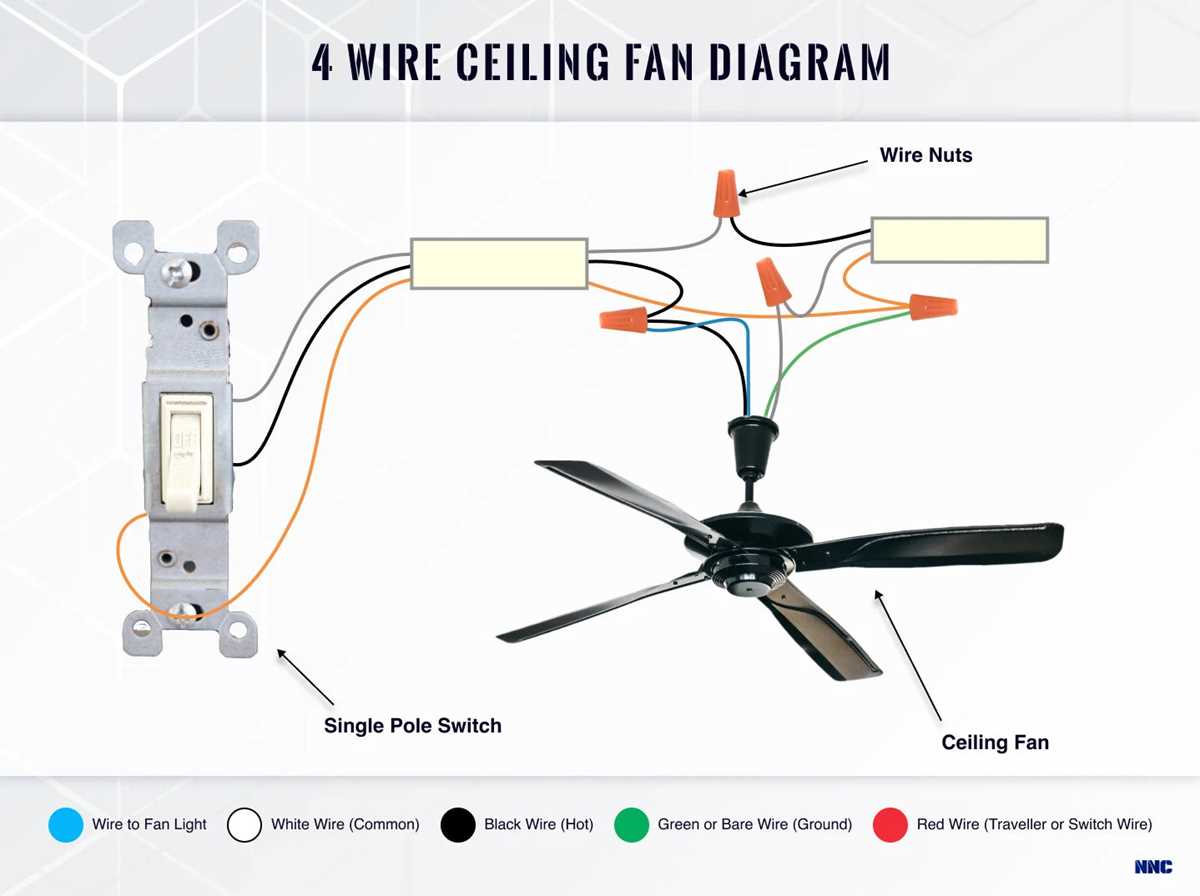
Match each terminal to its designated circuit before connecting any conductors. A standard 4-contact round or flat connector assigns separate lines for ground, left turn signal, right turn signal, and tail lamps. Following the correct pin sequence prevents reversed signals and blown bulbs.
The typical color scheme simplifies identification. White serves as the chassis ground, yellow connects to the left indicator, green connects to the right indicator, and brown powers tail and running lights. Using insulated conductors of proper gauge–16–18 AWG for lighting circuits–reduces voltage drop and ensures consistent lamp brightness.
Inspect terminals for corrosion or looseness before installation. Clean metal contacts and secure connections with crimped ring terminals or screw clamps to maintain a reliable electrical path. Apply dielectric grease to exposed contacts to prevent oxidation while retaining conductivity.
Test the system by activating turn signals and tail lamps while probing each contact with a multimeter or test light. Confirm that all lights respond correctly before finalizing cable routing and securing the connector in place. Proper layout and connection prevent malfunction and ensure safe signaling on the road.
4 Way Connector Layout with Pin Functions and Color Codes for Vehicles
Identify each terminal before attaching any conductor to the 4-contact connector. Standard connectors use a flat or round layout that assigns separate lines for ground, left indicator, right indicator, and tail lamps. Correct alignment prevents reversed signals and ensures proper light operation.
The conventional color coding allows quick verification:
- White – chassis ground
- Yellow – left turn signal and brake light
- Green – right turn signal and brake light
- Brown – tail and running lamps
Use insulated conductors of 16–18 AWG for light circuits to maintain voltage and prevent dimming. Higher gauge cables are unnecessary for low-current lighting, while thinner conductors increase resistance and heat buildup.
Secure connections with crimped ring terminals or screw clamps. Check that copper strands are fully inside the terminal and that screws are tightened to prevent intermittent contact under vibration. Loose terminals can cause flickering lights or non-functional signals.
Route cables to avoid contact with sharp edges, moving parts, and heat sources. Use plastic clips or zip ties to maintain neat routing and prevent abrasion. Avoid sharp bends in the conductors that can damage insulation and increase resistance.
Testing Pin Functions
Before final installation, test each contact with a multimeter or test light. Activate turn signals and tail lamps, verifying that each terminal corresponds to the correct circuit. Confirm that the ground line carries continuous connectivity to the chassis.
Maintaining Reliable Connections
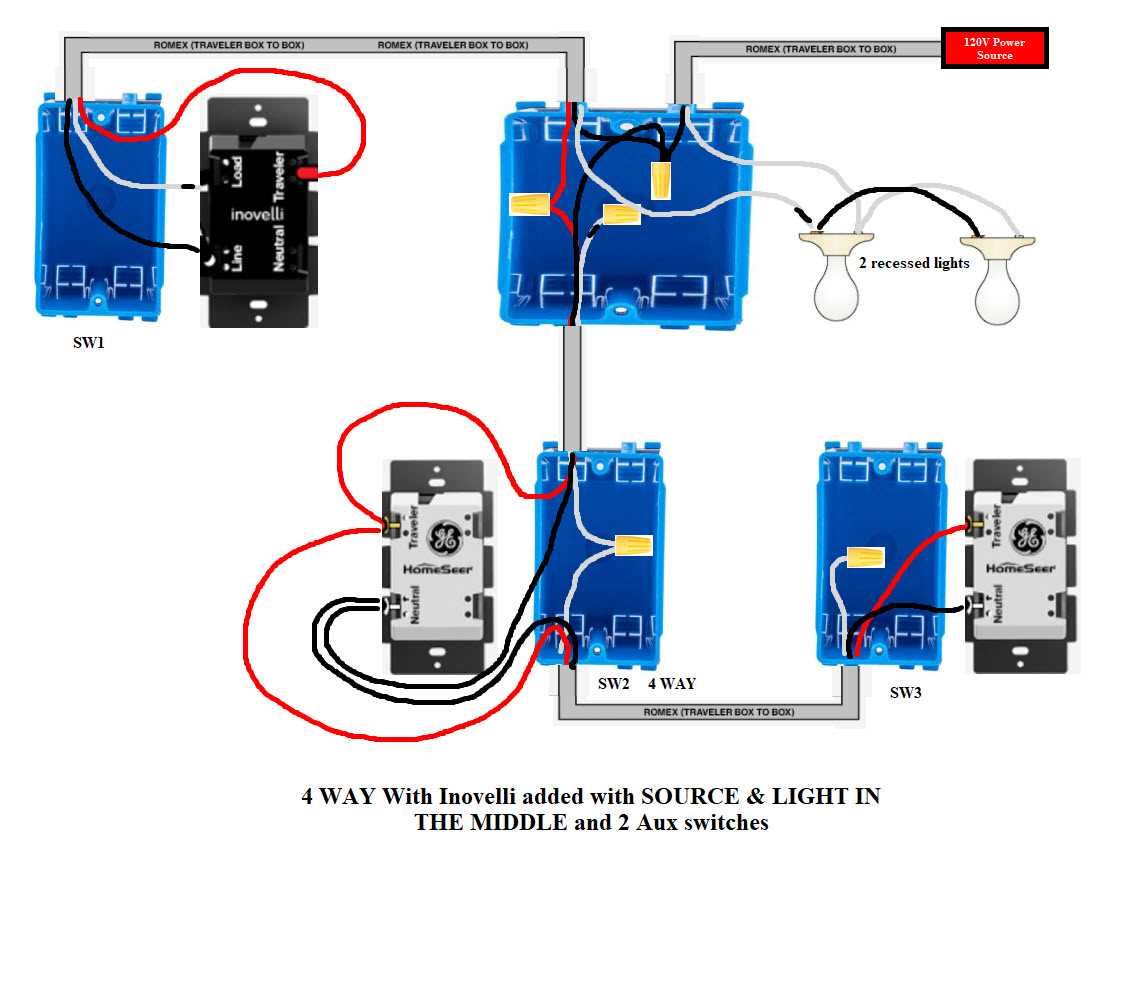
Apply dielectric grease to exposed metal terminals to prevent corrosion without affecting conductivity. Inspect connectors periodically for oxidation or loose screws, especially in areas exposed to moisture or road salt. Replacing damaged conductors promptly ensures reliable operation and prevents signal failures on the road.
4 Way Connector Pin Functions and Standard Color Codes
Connect each conductor to its assigned terminal according to the standard color code. The white line is always ground and must attach to the vehicle chassis for proper circuit return. Incorrect grounding can cause flickering or non-functional lights.
The yellow contact controls the left turn signal and left brake light. Verify continuity with a test light before securing the conductor. Using 16–18 AWG copper ensures consistent voltage to the signal lamps without overheating.
The green pin operates the right turn signal and right brake light. Ensure the cable is insulated and routed away from moving parts. Tight, crimped connections prevent intermittent operation caused by vibration or loose terminals.
The brown terminal powers the tail and running lights. Confirm that this conductor is routed with minimal bends and secured to avoid chafing against metal edges. Consistent illumination depends on a low-resistance connection from the source to the lamps.
Test all four pins after installation by activating turn signals and tail lights. Use a multimeter or test lamp to confirm that each terminal delivers the correct function. Apply dielectric grease to exposed contacts to prevent corrosion and maintain reliable performance over time.