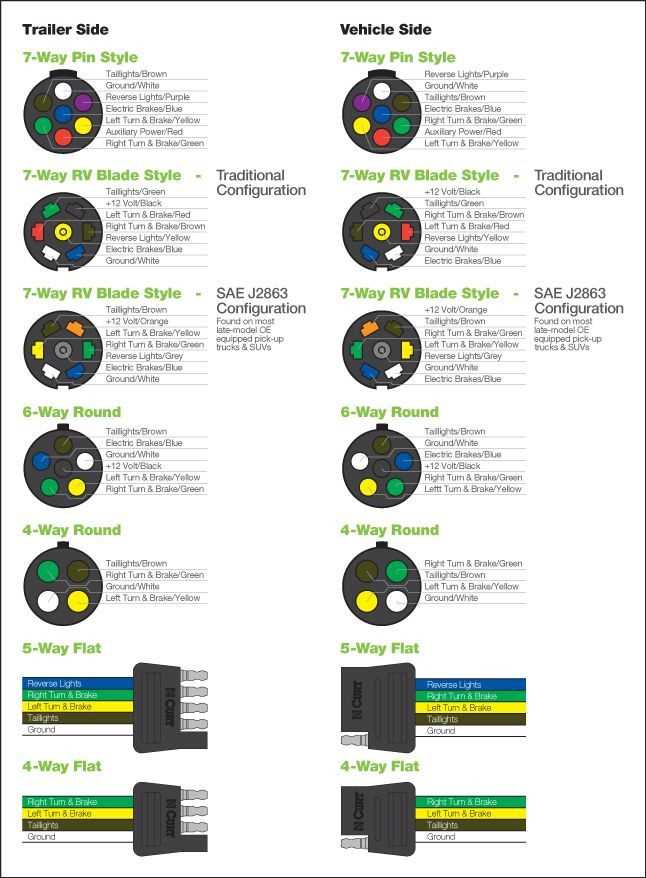
Use a signal combiner module that merges separate stop and turn channels into one shared output. A vehicle harness with five conductors usually separates left indicator, right indicator, brake signal, tail lamps, and ground, while a four-lead plug joins the brake function with the turn indicators. Without a combiner, the rear lights on the towed unit will flash incorrectly or remain constantly lit during braking.
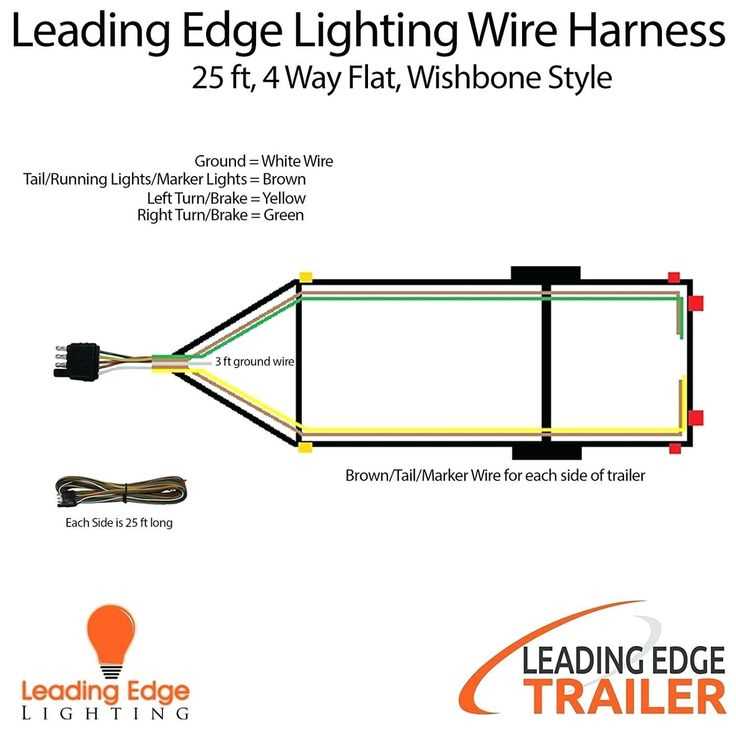
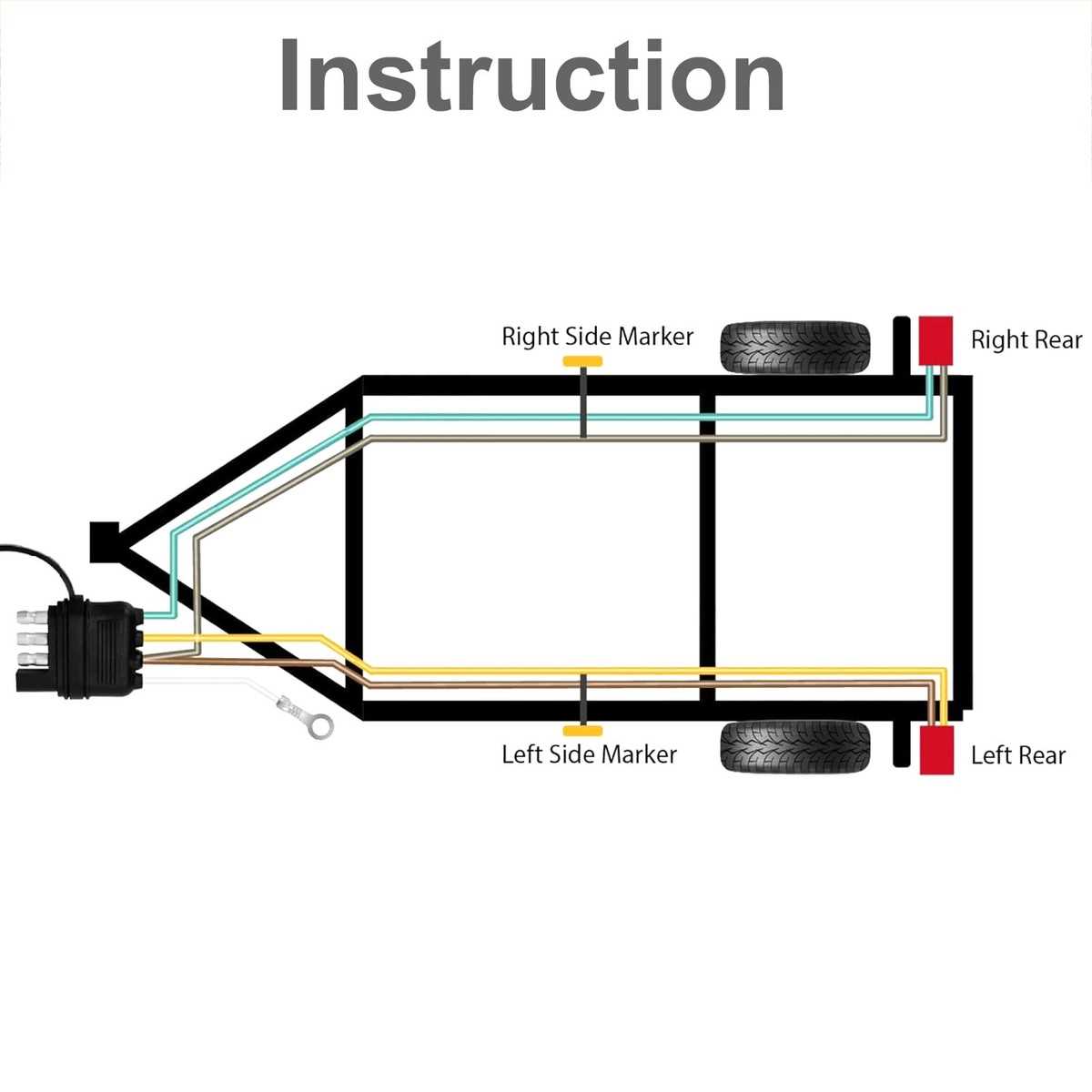
A typical color mapping helps prevent mistakes. In most setups the white conductor connects to chassis ground, brown feeds tail lamps, yellow carries the left turn + stop signal, and green carries the right turn + stop signal. The extra brake line from the five-lead harness must pass through the converter so the module blends that signal with the left and right indicator channels before reaching the four-pin plug.
Choose a combiner rated for at least 3–5 amps per lighting circuit. Mount it close to the rear light harness to reduce voltage drop along long conductors. Secure each connection with crimp terminals or sealed heat-shrink sleeves; loose joints create flickering lamps, especially when road vibration increases resistance at contact points.
If the vehicle uses separate amber indicators and a dedicated brake lamp feed, the converter becomes mandatory. The device reads the brake signal and duplicates it across both indicator outputs unless a turn signal is active. This logic allows the towed light assembly to display steady red braking illumination on both sides while still permitting a blinking indicator on one side during lane changes.
5-Line to 4-Line Tow-Light Conversion: Practical Guide for Converting Tow-Light Circuits
Connect the stop-lamp and turn-signal leads through a dual-input tail-light converter so the two separate brake and indicator signals from a 5-lead vehicle harness merge into a single combined stop/indicator channel used by a 4-lead tow-light system. Match colors from the vehicle harness to the converter inputs (typically: yellow for left indicator, green for right indicator, red for brake, brown for tail lamps, white for ground). The converter output provides four leads: left stop/indicator, right stop/indicator, tail lamp feed, and ground. Secure the ground line directly to bare chassis metal with a ring terminal and corrosion-resistant screw.
Signal Mapping and Connection Layout
A 5-lead vehicle setup separates brake and turn signals, while a 4-lead tow-light system combines them. Use a powered or passive tail-light converter rated for at least 3–5 amps per channel. Input side: attach the brake lead (often red) to the converter’s brake input, left indicator (yellow) to the left input, and right indicator (green) to the right input. Tail-lamp feed (brown) connects directly to the converter tail input, and the ground (white) anchors both the converter and the rear lighting harness. Output side: the converter sends a merged stop/indicator signal to the left and right lamp circuits. Route the harness along the frame using insulated clips every 30–40 cm, avoiding exhaust heat and suspension movement. Seal splices with adhesive heat-shrink tubing and apply dielectric grease inside connectors to reduce oxidation. Test sequence: activate tail lamps, press brake pedal, then check left and right indicators individually; brightness should remain stable without cross-flashing between sides.
Identifying the Function of Each Lead in a 5-Line Tow Harness Before Conversion
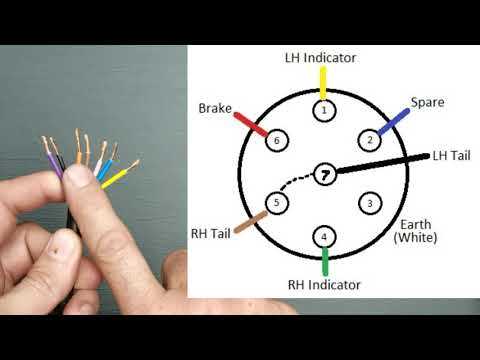
Use a multimeter and activate each vehicle lighting control one by one to determine the role of every conductor in the five-lead harness. Switch on the left indicator, right indicator, brake pedal, tail lights, and ground connection while probing the connector pins. Record which lead becomes energized during each action; this direct measurement removes guesswork before adapting the system.
Most five-lead towing harnesses follow a practical pattern: a dedicated ground return, two independent indicator circuits, a stop signal line, and a tail-lamp feed. Separation between the brake and turn circuits allows vehicles with combined lamps to communicate properly with equipment using independent light functions.
Typical Functional Roles
- Ground return connected to the vehicle chassis.
- Left turn indicator signal.
- Right turn indicator signal.
- Brake lamp activation line.
- Tail or running light supply for night visibility.
Color alone should never be treated as proof of function. Manufacturers occasionally reuse pigments or alter them across production batches. Verification with a voltage tester while each lighting control is triggered prevents cross-connection errors that could damage lighting modules or blow vehicle fuses.
During testing, attach the negative probe of the meter to the ground lead and touch the positive probe to each remaining conductor. Activate the following vehicle controls sequentially:
- Left indicator switch.
- Right indicator switch.
- Brake pedal.
- Headlight or parking light control.
If two signals appear simultaneously while pressing the brake pedal and activating a turn indicator, the system likely uses shared lamp circuits on the vehicle side. That information guides the conversion process because a signal combiner will later merge the stop and indicator outputs correctly.
Practical Inspection Tips
- Look for corrosion or oxidation inside the connector housing.
- Check continuity between the ground lead and the metal frame.
- Confirm voltage around 12–14 V when a lighting circuit is active.
- Label each conductor with tape immediately after identification.
Clear labeling prevents confusion during modification. Mark the ground, both indicator signals, the brake line, and the tail-lamp feed before altering the harness layout. Accurate identification at this stage eliminates repeated disassembly later and reduces the chance of misrouted lighting signals once the configuration changes.