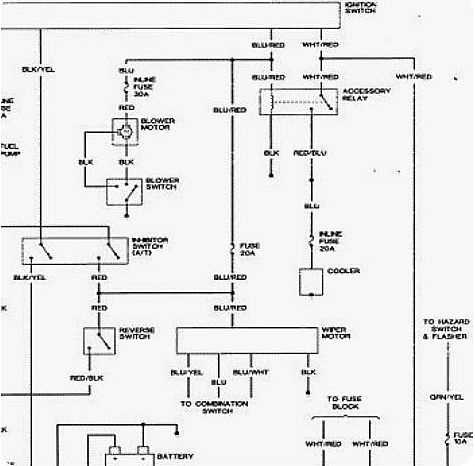
Start by connecting the main power source to the compressor unit. Use a properly rated wire to ensure the flow of electricity is stable. The connection should be secure, as poor contact could result in malfunction or overheating.
Next, wire the condenser to the relay. The relay controls when the condenser is powered, allowing the system to maintain optimal pressure. Ensure the connections are tight, as a loose connection can lead to a failure in cooling performance.
Connect the blower motor to the control circuit. The motor is responsible for circulating air through the system, and its proper function is critical for maintaining temperature control inside the vehicle. Double-check the wiring to prevent interruptions in airflow.
Install fuses and circuit breakers for protection. These will prevent electrical overloads from damaging the components. Place a fuse between the power supply and the compressor to safeguard the system. Always verify the fuse rating to match the expected power load.
Finally, use a multimeter to test for continuity across all connections. This ensures that all parts are properly linked and that the electrical current flows as expected. This step is important for detecting potential problems early in the setup.
Auto AC System Electrical Setup
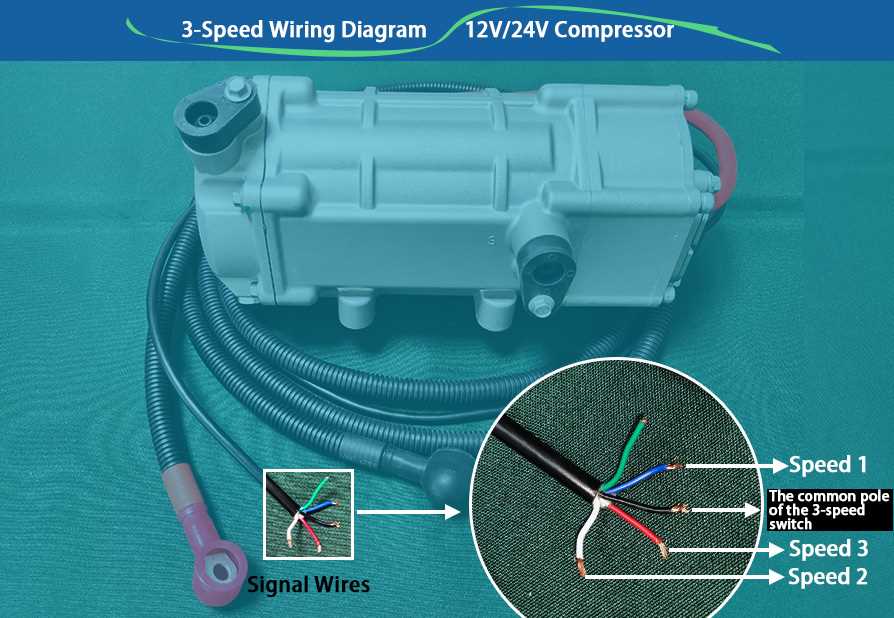
Begin by connecting the power supply to the compressor’s input terminal. This ensures the compressor receives the necessary electrical current to operate. Use wires that are properly insulated and rated for the amperage required to avoid overheating and potential damage.
Next, link the condenser to the relay, which controls the flow of electricity to the condenser. The relay must be chosen based on the load capacity, and it should be installed in a place where it can easily be accessed for troubleshooting or replacement. A faulty relay will prevent the condenser from working properly.
Attach the blower motor to the control panel, ensuring that the motor receives current when the system is activated. The motor’s wiring should be insulated to protect against short circuits. Verify the motor’s voltage rating to ensure it matches the system’s requirements for optimal performance.
Include a circuit breaker or fuse between the power supply and each critical component to protect the system from electrical surges. The fuse should be rated according to the system’s power load, typically between 10 and 20 amps depending on the vehicle. Always double-check the fuse type and rating before installation.
After securing the major components, test the system with a multimeter to verify the continuity of each circuit. This test helps detect any loose connections or faulty parts. Continuity testing is vital to ensure that every part of the system is working properly before use.
Finally, make sure all connections are tightened and that no wires are exposed or vulnerable to damage. Use zip ties or other fasteners to keep the wires organized and secure. This will prevent any wear over time, ensuring that the system remains safe and functional for extended use.
Connecting the Compressor and Condenser in the AC System
To link the compressor to the condenser, begin by routing the high-pressure line from the compressor’s output port to the condenser’s input. Ensure the connection is tight, using appropriate fittings to avoid leaks. Use a hose rated for high-pressure environments to prevent rupture during operation.
The condenser should be mounted securely, with its output port connected to the expansion valve or orifice tube, depending on your system type. This setup will allow the high-pressure gas to cool and condense as it moves through the system. Double-check the alignment of the connections to ensure they do not interfere with airflow or other components.
After securing the lines and fittings, inspect all components for potential leaks using a leak detector or soapy water solution. Ensure that all connections are sealed properly. Testing the system’s integrity before fully operating it will save time and avoid potential damage caused by underperformance or refrigerant loss.