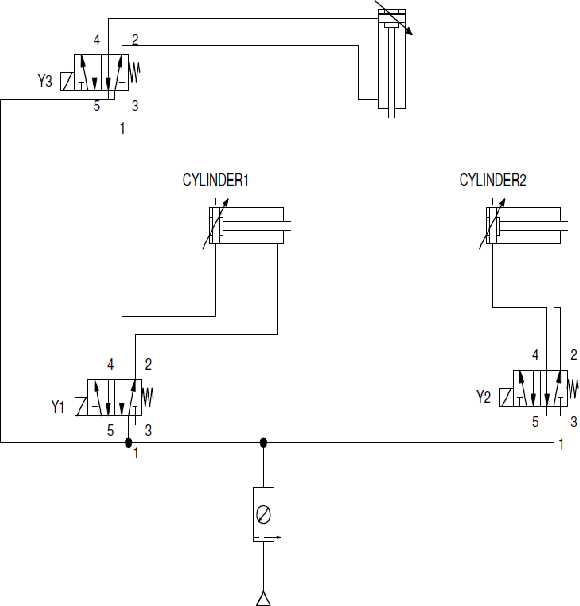
Begin by wiring the control valves and actuators to the central unit. Ensure the connections are made according to the device specifications, using appropriate wire sizes for the power and signal pathways. Secure all terminals and fasten connections tightly to avoid any risk of loose wires causing faults.
The power supply must match the voltage and current needs of the system. Verify the input voltage is within the specified range to avoid overloading the components. Use separate lines for power and control signals to minimize interference, ensuring smooth operation across the system.
Next, wire the sensors and switches that monitor and regulate the movement of the actuators. These elements play a key role in feedback loops, ensuring the actuators respond accurately to the control signals. Properly insulate the wiring to prevent short circuits, and label each connection to simplify troubleshooting.
Once the components are connected, upload the control program to the system’s controller. Test the entire setup by activating the actuators and confirming that they respond as expected. If any component fails to react correctly, inspect the wiring and connections for any errors, paying close attention to grounding and signal routing.
Understanding the Layout of a Control System with Actuators
Start by identifying the input power source and ensure it is connected to the main control unit. This is typically the first step in any setup. The input voltage should match the specifications outlined in the system’s manual to avoid overloading or damaging sensitive components.
Connecting the Control Valves
Next, connect the control valves to the appropriate output ports. These valves regulate the airflow to the actuators, allowing for precise control over their movements. Use the correct type of valve for the system–solenoid or manual, depending on whether automation or manual override is required.
Wiring Feedback and Sensors
Integrating sensors into the system is crucial for accurate control and monitoring. These sensors provide real-time data on the position and status of the actuators. Ensure that the sensor wires are routed separately from the power lines to minimize interference and signal loss.
After wiring all components, perform a system test. Activate the control system to verify that each actuator responds as expected. If any issues arise, check for improper connections or faulty components. Adjust wiring or replace parts as necessary to maintain optimal performance.
How to Design the Pneumatic Actuator Control System
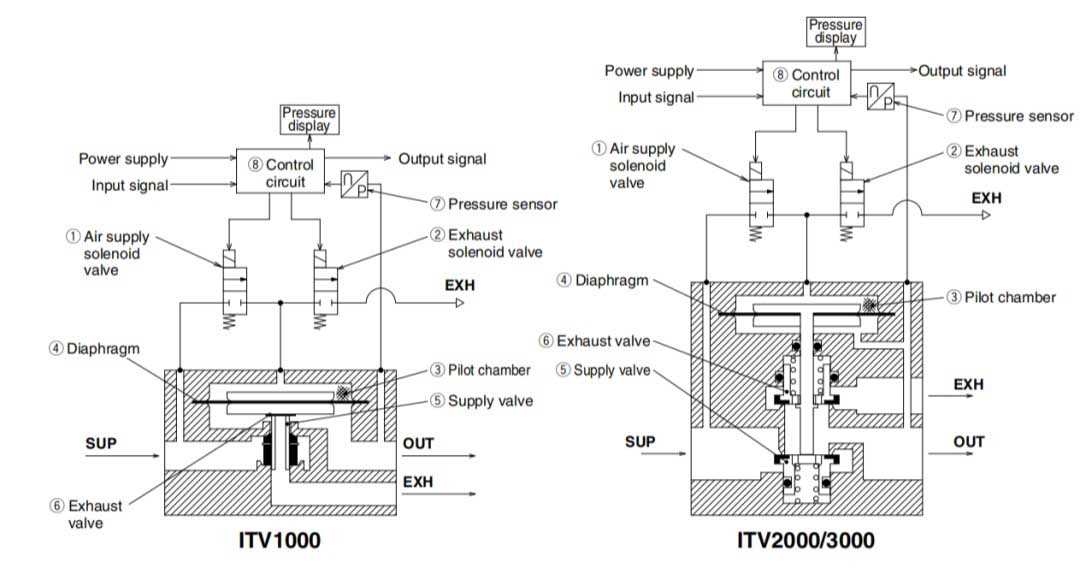
Start by selecting the control valve that matches the actuator type and the required application. For example, use a 5/2 valve for single-acting actuators and a 5/3 valve for double-acting actuators. Ensure the valve has the correct pressure rating and flow capacity to handle the system’s load. Proper valve sizing is critical to maintain smooth operation and avoid system malfunctions.
Next, focus on integrating the sensors that will provide real-time feedback about the actuator’s position. Connect the sensors to the control unit to allow continuous monitoring and adjustment. Proper wiring is crucial; ensure all wires are insulated and correctly routed to avoid interference and signal loss. This setup ensures the actuator performs accurately according to the desired motion control parameters.