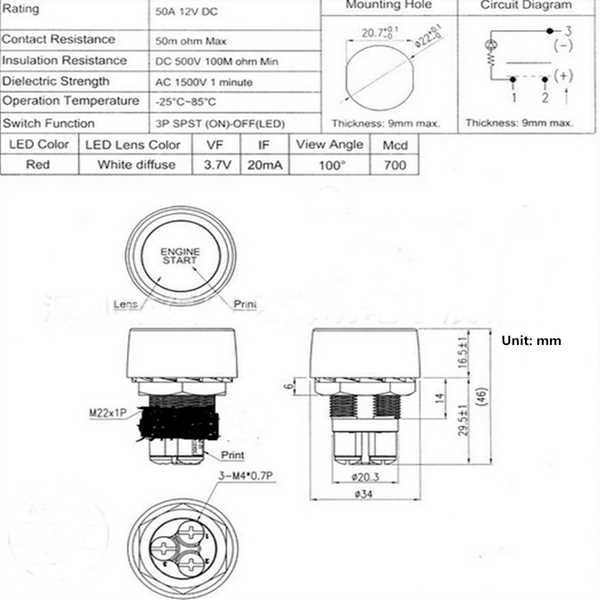
Connect the main lead of the momentary control device directly to the power supply rated for the load. Verify voltage and current ratings before making the connection to prevent coil damage or overheating.
Identify each conductor by color or label. The line intended for activation should match the input terminal on the control relay. Reversing connections can cause delayed engagement or failure to start the circuit.
Secure grounding conductors to a clean metal surface using a bolt and washer. A reliable ground reduces the risk of false triggering and protects connected electronics from voltage spikes.
Inspect all terminals and insulation for cracks or wear before assembly. Damaged leads can create shorts or intermittent operation, particularly where wires bend around corners or pass through panels.
Use a multimeter to check continuity of each line before energizing the system. Confirm that activation and return paths are correct and that resistance readings fall within manufacturer specifications.
Label all conductors with tags or sleeves for identification. This ensures easy recognition during future maintenance, preventing accidental cross-connections when testing operational status.
Push Button Starter Switch Connection Guide
Connect the main activation lead directly to the relay terminal rated for the control voltage. Verify that the current rating matches the coil specification to avoid overheating or component damage.
Identify each conductor using color codes or labels. The positive line should attach to the activation input, and the return line should connect securely to ground. Incorrect placement can prevent proper engagement of the circuit.
Secure all terminals with crimped connectors or lock washers to maintain solid contact. Loose connections increase resistance, which can lead to sparks or intermittent operation under load.
Measure continuity and resistance across each lead before energizing the circuit. The activation line should show low resistance, while the return path should maintain stable contact to ground without leakage.
Tag each conductor for future maintenance. Use numbered or colored markers to ensure accurate identification during troubleshooting, replacements, or testing, reducing the risk of misconnection and operational errors.
Identifying Switch Leads and Terminal Types
Locate the activation lead first, typically marked with a stripe or label indicating high-voltage input. Connect only after confirming that the supply matches the coil rating to prevent overheating.
The return conductor is usually unmarked or color-coded brown. Verify continuity using a multimeter to ensure it completes the circuit correctly. Misidentifying this line can prevent engagement or cause intermittent operation.
Examine terminal styles carefully:
- Spade connectors: Flat metal tabs that slide onto terminals. Ensure a snug fit to prevent vibration loosening.
- Ring terminals: Fastened with bolts to frame or bus bars. Provides stable grounding or main power attachment.
- Quick-connect terminals: Designed for rapid assembly but require inspection for corrosion over time.
Inspect insulation along each lead, especially where wires bend or pass through panels. Any cracks or exposed metal increase the risk of shorts and electrical faults.
Testing Lead Identification
Measure resistance between each lead and ground using a multimeter. The activation conductor will typically show higher resistance to the casing, while the return path maintains continuity across the coil without leakage.
Labeling and Maintenance
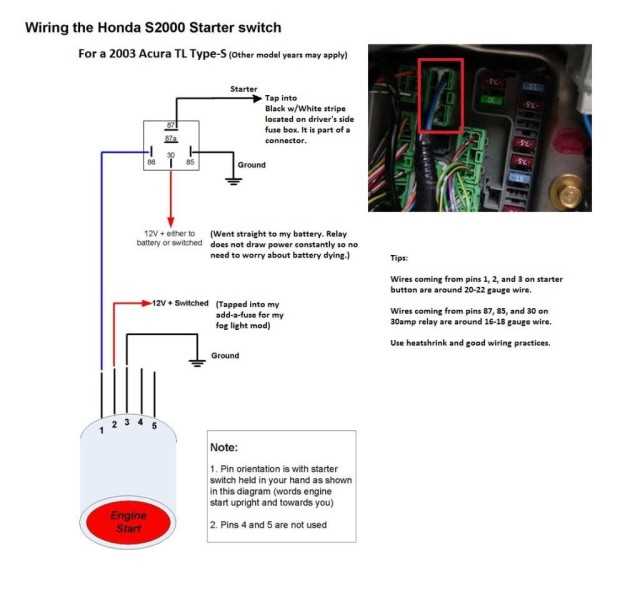
After verification, mark each conductor with numbered or color-coded tags. This simplifies future maintenance, reduces risk of cross-connections, and ensures accurate identification during troubleshooting or component replacement.