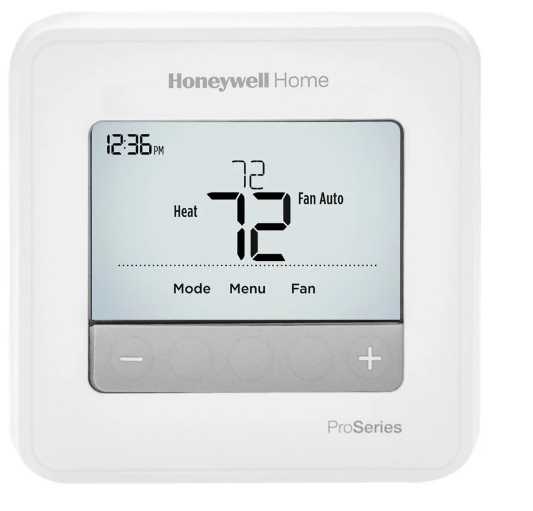
Label each conductor clearly before connecting to the control panel to prevent misplacement. Use colored tags or markers for power, common, and accessory lines.
Verify voltage rating of the panel against your supply source. Panels designed for 24V control circuits will malfunction if connected to higher voltages.
Secure terminals properly using a torque screwdriver. Loose screws may cause intermittent operation, while over-tightening can damage the contacts or housing.
Test each circuit individually after installation with a multimeter or continuity tester to ensure switches, relays, and sensors are correctly connected and responsive.
Document all connections in a chart showing terminal labels, line destinations, and functions. This record helps during troubleshooting and future modifications.
Check polarity of all lines to confirm that common, power, and control leads are connected correctly, avoiding reverse operation of relays or sensors.
Thermostat Panel Connections
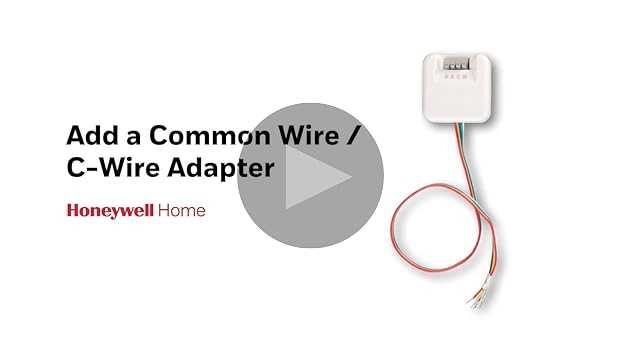
Identify each terminal by its label before attaching conductors. Common labels include R for power, C for common, W for heating, Y for cooling, and G for fan control.
Verify voltage and polarity for all incoming lines. Connecting 24V control leads in reverse can prevent relays from activating and may damage sensors.
Secure each conductor under the correct screw or clamp. Loose connections can create intermittent faults, while over-tightening may strip threads or break the terminal housing.
Test each circuit after installation using a multimeter to confirm continuity and correct operation. Simulate heating, cooling, and fan calls to ensure the panel responds as intended.
Identifying Terminals and Power Lines
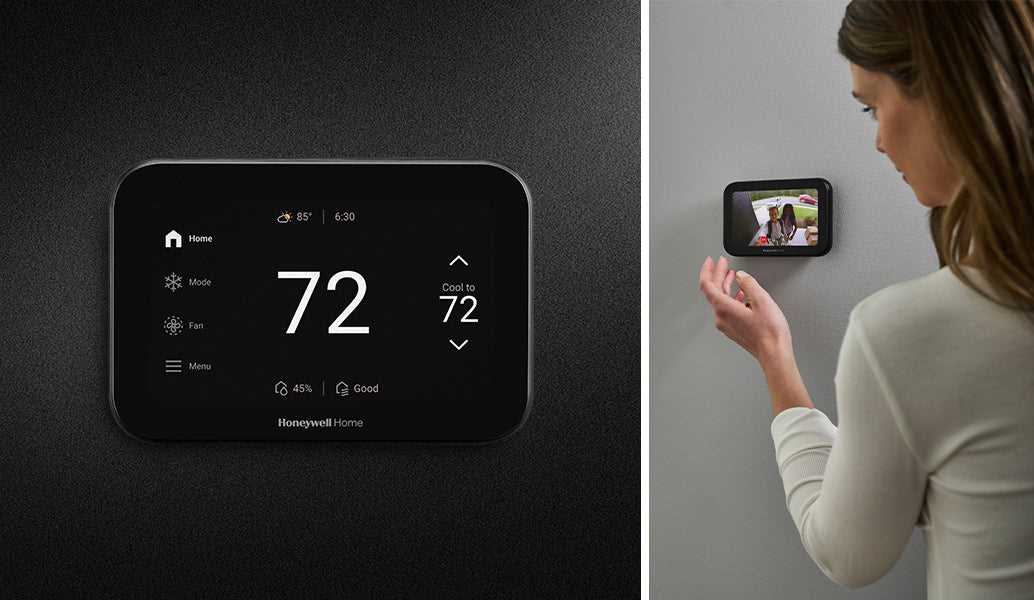
Label each terminal clearly before connecting any conductors. Common markings include R for power, C for common, W for heat, Y for cooling, and G for fan. Mislabeling can cause incorrect operation or damage to components.
- Trace incoming power lines to confirm voltage rating and source.
- Separate control leads from high-current conductors to prevent interference.
- Ensure grounding conductors are connected to the proper bus or chassis point.
Verify continuity and polarity on each line before final attachment. Using a multimeter to check connections reduces the risk of reversed leads and ensures relays and sensors respond correctly.