Check the cable routing chart before connecting any terminal on this V-twin utility engine. The ignition coil leads, starter relay cable, and charging stator wires must match the correct pin positions on the harness block. A quick inspection of the connection map prevents reversed polarity, damaged coils, and starter relay failure.
The 630-series engine used in commercial mowers, pressure washers, generators, and construction equipment includes several electrical circuits: starter motor control, magneto ignition shutdown line, and a charging system linked to the battery. Each circuit uses specific wire colors and connectors. For example, the kill-switch lead normally runs from the ignition module to the control panel through a single low-voltage wire that grounds the module during shutdown.
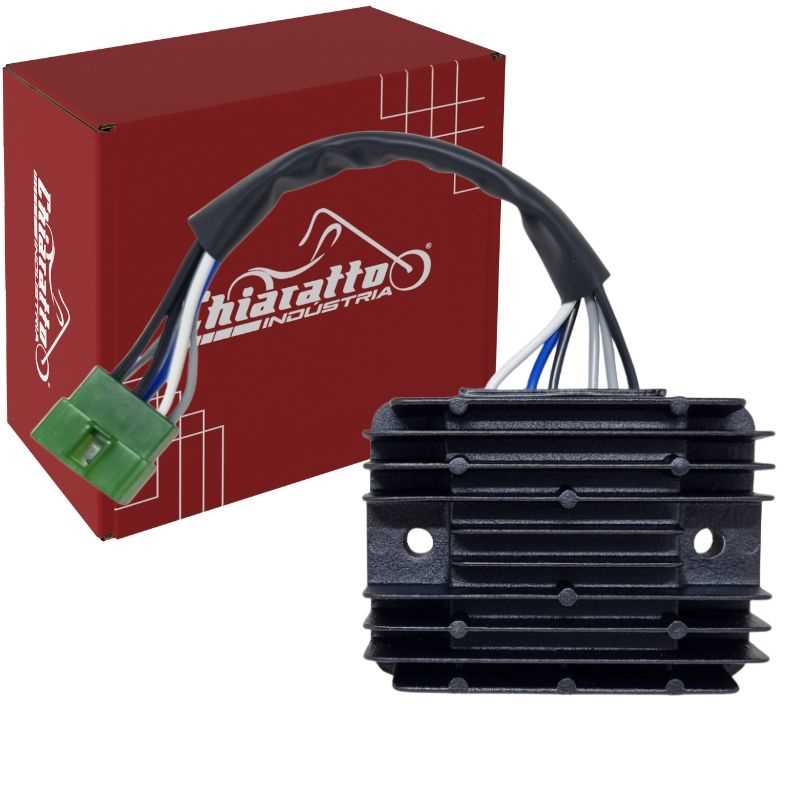
A typical harness also includes a charging coil output connected to a regulator-rectifier. From there, current flows to the battery through a fused positive lead while the negative terminal connects directly to the engine block. Mixing these connections can damage the regulator unit or leave the battery uncharged during operation.
Service manuals for the 630-class V-twin show connector pin positions, wire colors, and routing paths between the stator, ignition modules, starter solenoid, and control switch panel. Using that electrical layout during repair helps identify broken leads, corroded terminals, and incorrect harness replacements without removing large engine components.
Honda GX630 Wiring Diagram With Starter Ignition Charging System and Connector Layout
Connect the battery positive cable directly to the starter solenoid input terminal and route the negative lead to the engine block ground point. This twin-cylinder utility engine uses a 12-volt starting circuit where the ignition switch sends current to the solenoid coil, allowing the starter motor to engage the flywheel ring gear.
The starting circuit includes three main components: battery, starter relay, and starter motor. A thick red cable typically links the battery to the relay, while a smaller control wire from the key switch activates the relay coil. If the engine fails to crank, check the relay signal line for 12-volt output while the key is turned to the start position.
The ignition shutdown circuit operates differently from many automotive systems. Instead of supplying voltage to the ignition module, the system stops the engine by grounding the magneto lead. A single control wire runs from each ignition coil to the switch panel; closing the circuit to ground disables spark generation.
Charging current originates from a stator coil mounted under the flywheel. During operation the rotating magnets induce alternating current in the stator windings. That output travels through two yellow leads to a regulator-rectifier unit, where AC is converted to DC and stabilized for battery charging.
The regulator module normally mounts near the blower housing to receive airflow. Its output wire connects to the battery positive terminal through a fused line. A separate ground path attaches the regulator body or ground lead to the engine frame. Loose mounting bolts often interrupt this ground path and stop battery charging.
Connector layout within the harness includes multi-pin plastic plugs linking the stator leads, ignition modules, and safety switches. Each plug uses molded slots that prevent incorrect orientation. During repair work inspect these connectors for corrosion, bent terminals, or partially seated pins.
Color coding helps trace each circuit quickly. Yellow wires usually carry stator output, black wires connect to ground points, and red lines route battery power through the starting circuit. The ignition kill lead often appears black with a white stripe, linking both coils to the control switch.
Verify each connection with a multimeter before replacing components. Measure charging output at the battery with the engine running around 3600 RPM; normal readings range between 13.5 and 14.5 volts. Lower values suggest stator failure, damaged regulator hardware, or poor grounding at the frame connection.
Honda GX630 Ignition Switch and Starter Circuit Wiring Connections
Connect the battery positive lead to the B terminal of the key switch and route the S terminal output to the starter solenoid control post. This connection sends 12-volt power to the relay only while the key is turned to the start position. Use a cable with a cross-section near 4–6 mm² for the battery feed and protect the line with a fuse placed close to the battery. The ignition shutdown lead from both magneto modules connects to the M terminal of the switch; rotating the key to OFF grounds this line and stops spark generation.
Typical key switch terminals and their roles:
- B – battery supply entering the switch
- S – signal line to the starter solenoid coil
- M – magneto shutdown lead from both ignition modules
- G – chassis ground used during engine stop
- L – optional output for indicator lamps or charging feed
Starter circuit flow during cranking:
- Battery sends power to the switch through the B terminal
- Key rotated to START connects B to S
- S terminal delivers voltage to the solenoid control pin
- Solenoid closes the high-current contacts
- Starter motor receives battery power through a thick cable and spins the crankshaft
If the engine does not crank, check these points in sequence:
- Battery voltage above 12.4 V
- Voltage present at the S terminal during key rotation
- Continuity between the solenoid control pin and the switch output
- Clean ground connection between battery negative and engine block