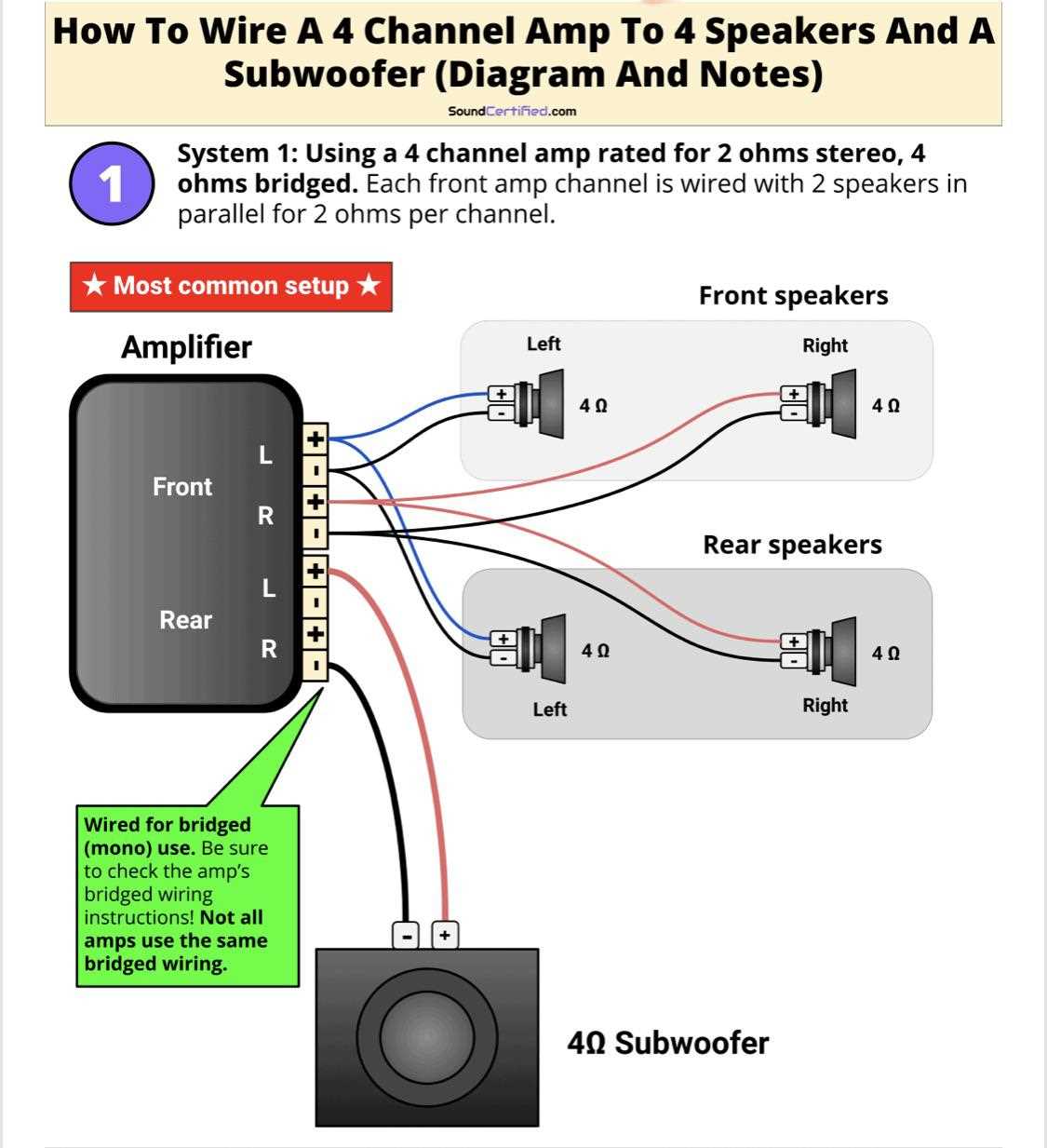
To achieve optimal performance with a 2-speaker setup, begin by understanding the connection configurations. Using two separate speakers with multiple terminals allows for different methods of connecting them to the amplifier, depending on your needs for impedance and power handling. Carefully assess the type of speaker you are working with, as the wiring layout directly impacts sound quality and amplifier safety.
For wiring this type of speaker, there are two primary connection methods: series and parallel. The choice depends on whether you wish to increase the total impedance (series) or decrease it (parallel). Each method has its pros and cons, so you should make an informed decision based on your system’s requirements. If you are unsure, it’s always advisable to refer to the manufacturer’s guidelines or consult with an expert.
One key factor to consider is the power output of the amplifier. Ensure that it is compatible with the impedance configuration you select. For instance, a lower impedance configuration allows more power to reach the speaker but might require more careful management of amplifier heat and protection. On the other hand, a higher impedance may reduce the power output but improves system stability over time.
Make sure to carefully check all connections before powering on the system. Incorrect wiring can lead to electrical shorts or damage to both the speakers and amplifier. Use proper connectors and double-check the placement of each terminal to ensure there are no loose or poorly connected points. With the right setup, you can enjoy improved sound clarity and efficient use of your equipment.
Dual Voice Coil 2 Ohm Wiring Guide
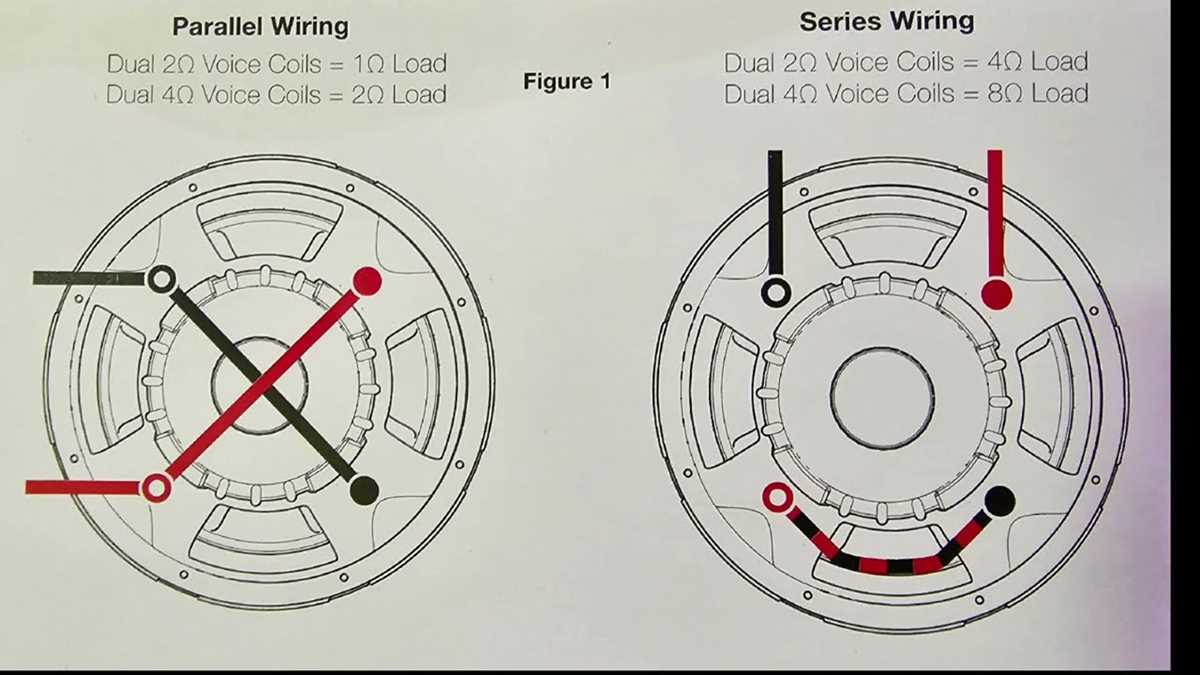
To properly connect a 2-terminal speaker with two separate voice coils, start by determining whether you will use a series or parallel configuration. A series setup increases the total impedance, while a parallel connection decreases it. If you are aiming for higher power output, a parallel connection is recommended. Make sure to check the amplifier’s output rating to ensure compatibility with the chosen configuration, as improper impedance matching could lead to damage to your system.
In a parallel arrangement, connect the positive terminals of both coils to the amplifier’s positive terminal, and the negative terminals to the amplifier’s negative output. For a series setup, connect the positive terminal of one coil to the amplifier’s positive output, and link the negative terminal of that coil to the positive terminal of the second coil. The second coil’s negative terminal will then go to the amplifier’s negative terminal. Always double-check connections for solid contact to avoid performance issues or equipment damage.
Understanding the Basics of Dual Voice Coil 2 Ohm Speakers
When selecting a speaker with two separate windings for better power handling, it’s important to understand how each coil impacts impedance. The configuration of these coils directly affects the overall resistance, power distribution, and how the speaker interacts with the amplifier. With a lower impedance, such as 2 ohms, the system allows for higher current flow, delivering more power to the speaker but also requiring careful matching with your amplifier’s specifications.
The two coils in a speaker can be connected in different ways, either in series or parallel. Connecting them in parallel results in a lower total impedance, which allows the amplifier to deliver more power. On the other hand, wiring them in series raises the total impedance, potentially limiting the power sent to the speaker but offering a safer load for the amplifier in some situations.
Choosing between series and parallel configurations depends on the desired balance between power and speaker performance. A parallel setup is typically used when aiming for high output, while a series connection is better for maintaining the safety and longevity of the amplifier. Always check the speaker’s impedance rating and your amplifier’s output to ensure compatibility.
One key advantage of using a speaker with two separate windings is the increased flexibility in system design. These configurations allow users to fine-tune the performance by adjusting the number of connected coils, making them ideal for custom installations. The ability to change the impedance setting can be useful in optimizing the overall sound quality depending on your needs.
In most cases, the terminals on a dual winding speaker are clearly marked to indicate which coil is positive and which is negative. It’s important to follow these markings accurately when connecting the speaker to the amplifier. Incorrect connections can cause phase issues, resulting in poor sound quality and potentially damaging your equipment.
Additionally, when wiring the two coils, it’s important to use the correct gauge wire for your application. Too thin a wire can cause resistance issues, potentially leading to overheating or power loss. Always ensure that the wire gauge matches the power requirements of your system for optimal performance.
Another consideration when using two coil speakers is the impact on sound reproduction. With proper configuration, dual-coil speakers can provide a more accurate and immersive sound experience. The ability to adjust the wiring allows for more customization in terms of frequency response and sound staging, which is particularly useful for audiophiles and enthusiasts seeking to fine-tune their audio system.
Finally, always consult the manufacturer’s specifications when planning your setup. Some amplifiers may only support certain impedance configurations, and improper settings can lead to distortion, overheating, or even damage. By following the appropriate wiring methods and considering the details of both the speaker and amplifier, you can achieve the best possible sound experience for your system.