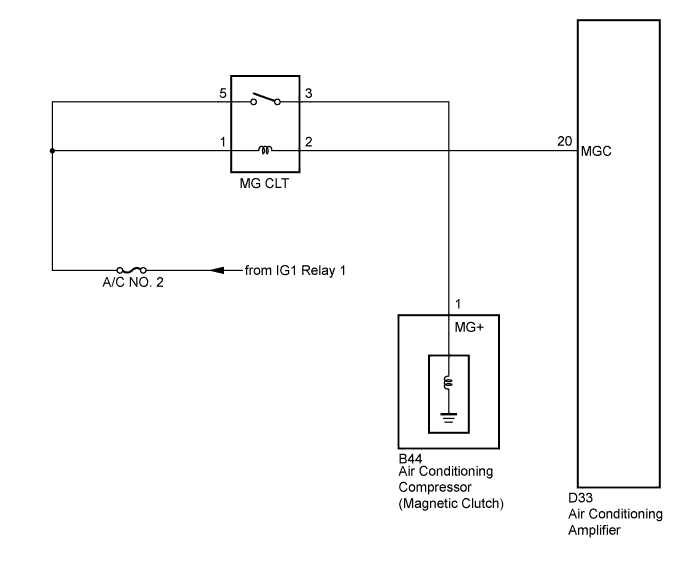
Connect the main power lead directly to a fused source rated at 20 amps to prevent overloads and ensure stable operation of the cooling motor. Verify polarity using a multimeter before securing terminals.
Attach the grounding point to a clean, bare metal section of the chassis to minimize electrical noise. Use a ring terminal and tighten to 8–10 Nm torque to prevent loosening under vibration.
Control signal lines should route through a relay with a 30-amp rating to isolate the switch from high current spikes. Ensure the relay is mounted within 12 inches of the power source to reduce voltage drop and heat buildup.
After all connections are secured, perform a continuity check between supply, ground, and control terminals. Activate the motor momentarily to confirm that the starter engages without delay or excessive current draw, and monitor for abnormal heating at any terminal.
AC Compressor Connection Layout and Installation Guide
Attach the main power lead to a fused source rated at 20–25 amps to prevent overload and ensure stable engagement of the rotary unit. Verify connection points with a multimeter before final tightening.
Secure the grounding terminal to a clean, bare metal surface of the chassis using a ring connector tightened to 8–10 Nm. This reduces electrical noise and prevents intermittent engagement.
Control signal lines must pass through a relay rated for 30 amps to isolate the switch from voltage spikes. Mount the relay within 12 inches of the power source to minimize voltage drop and heat buildup.
Route all leads away from high-heat components such as exhaust manifolds or hot pipes. Use split loom tubing to bundle cables and prevent abrasion or insulation melting during operation.
Relay and Fuse Installation
Install an inline fuse holder as close as possible to the battery positive terminal. Use a 20–25 amp fuse compatible with the system voltage to safeguard the motor coil from sudden surges.
Connect the relay coil to the control output of the air conditioning system. Ensure that the activation signal triggers the relay only when the ignition is on to prevent accidental engagement when the engine is off.
Final Testing and Verification
After securing all connections, check continuity between supply, ground, and control terminals. Momentarily activate the rotary unit and observe for immediate engagement and stable operation, confirming no abnormal heating at any connection point.
Inspect all terminal mounts and cable ties for vibration resistance. Tighten loose connectors, replace worn terminals, and verify that all leads are isolated from moving components to avoid shorts and maintain reliable operation over time.
Identifying Power Supply and Ground Points for the Compressor
Connect the main positive lead directly to a fused battery terminal rated between 20 and 25 amps to prevent overcurrent and ensure consistent engagement of the motor coil. Verify voltage at the terminal using a multimeter before final attachment.
Locate a stable ground on the vehicle chassis with no paint or corrosion. Use a ring connector tightened to 8–10 Nm to secure the lead and reduce electrical noise that can cause erratic operation.
When routing control and activation leads, keep them separate from heat sources such as exhaust components. Protect the cables with split loom tubing and secure with vibration-resistant clips to prevent abrasion or insulation damage.
After installation, perform a continuity check between positive and ground terminals. Momentarily energize the unit to ensure immediate engagement, confirming no voltage drop or overheating occurs at any connection point.