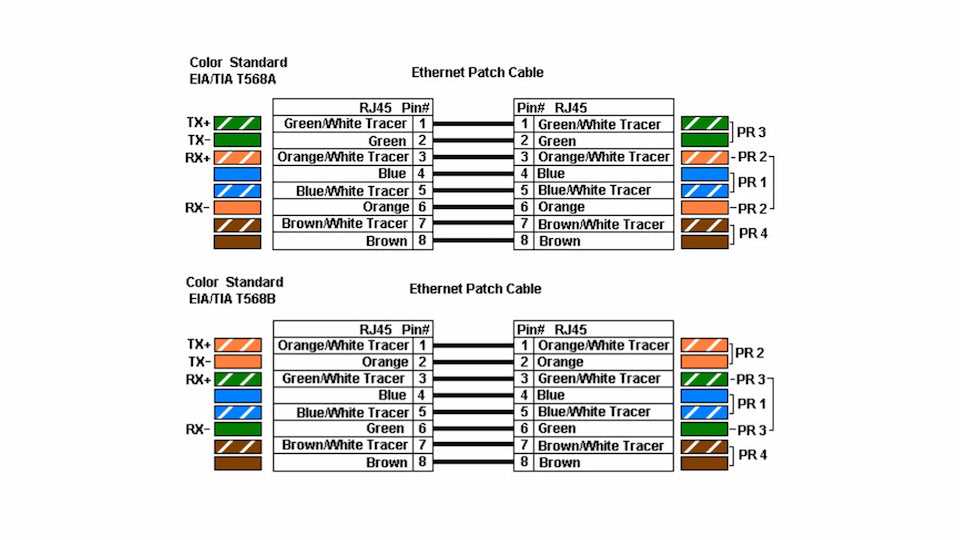
Align each twisted pair according to the T568B standard to ensure consistent signal flow across all ports. Mismatched colors or swapped conductors can cause intermittent connectivity and data loss, particularly at gigabit speeds.
Trim the insulation jacket carefully to expose only the necessary length of wires before inserting into the modular plug. Overexposing or uneven strands can create crosstalk and reduce overall transmission quality.
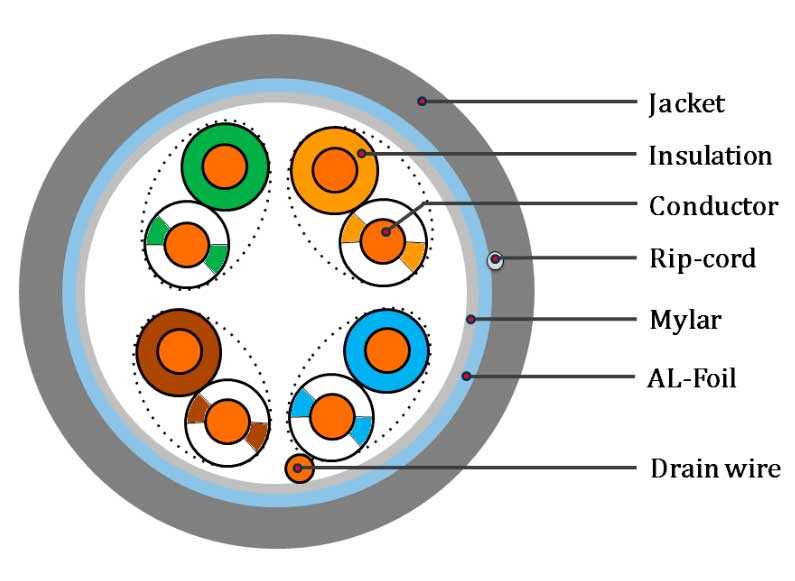
Maintain proper separation between signal lines when running multiple links in parallel. Twisting each pair tightly and avoiding sharp bends minimizes electromagnetic interference, keeping latency low and throughput stable.
Verify continuity using a tester before deploying the link to active devices. Detecting short circuits or reversed pins at this stage prevents downtime and reduces troubleshooting effort on larger installations.
Consider maximum run lengths under 100 meters for horizontal segments. Exceeding this distance without signal boosters can cause packet loss, timing errors, and reduced network performance.
Structured Connector Pin Alignment
Follow the T568B pin order precisely when terminating each pair into the plug. Assigning green-white, green, orange-white, blue, blue-white, orange, brown-white, and brown to the correct slots prevents crosstalk and guarantees gigabit transmission without errors. Misplacement of even a single strand can reduce speed or cause intermittent drops, so double-check each conductor before crimping.
Use a precision stripper and crimper to avoid nicking the copper and ensure a snug fit inside the modular connector. Twisted pairs should remain tightly coiled up to the insertion point, and connectors should lock firmly without gaps. Testing the finished link with a continuity tester confirms correct pin mapping and identifies any potential shorts before connecting devices to the network.
Step-by-Step T568B Termination for Modular Connectors
Strip precisely 1 inch of the outer jacket to expose the twisted pairs without damaging the insulation on individual conductors. Excessive stripping increases the risk of shorts, while too little can prevent full insertion into the connector.
Untwist each pair gently and align them according to the T568B standard: green-white, green, orange-white, blue, blue-white, orange, brown-white, brown. Keep the twists as tight as possible up to the point of insertion to maintain signal integrity.
Flatten the wires in a straight line using your fingers before trimming. Ensure that all strands reach the same length, leaving about 0.5 inch exposed for insertion. Uneven lengths may result in poor contact and intermittent data loss.
Insert the aligned conductors fully into the modular plug, making sure each wire reaches the end of its slot. A visual check through the transparent housing helps confirm full engagement with the metal contacts inside.
Crimp the connector firmly with a ratcheting tool to lock the conductors in place. The connector should not slide or wiggle after crimping, and the metal contacts should pierce the insulation on each wire without cutting through the copper.
Test continuity immediately using a line tester or network verification device. Check for correct pair mapping, shorts, and miswires before deploying the terminated link to active devices.
Label both ends clearly to indicate the termination standard used. Consistent labeling reduces troubleshooting time and prevents accidental mismatches in larger installations, ensuring predictable performance across multiple runs.