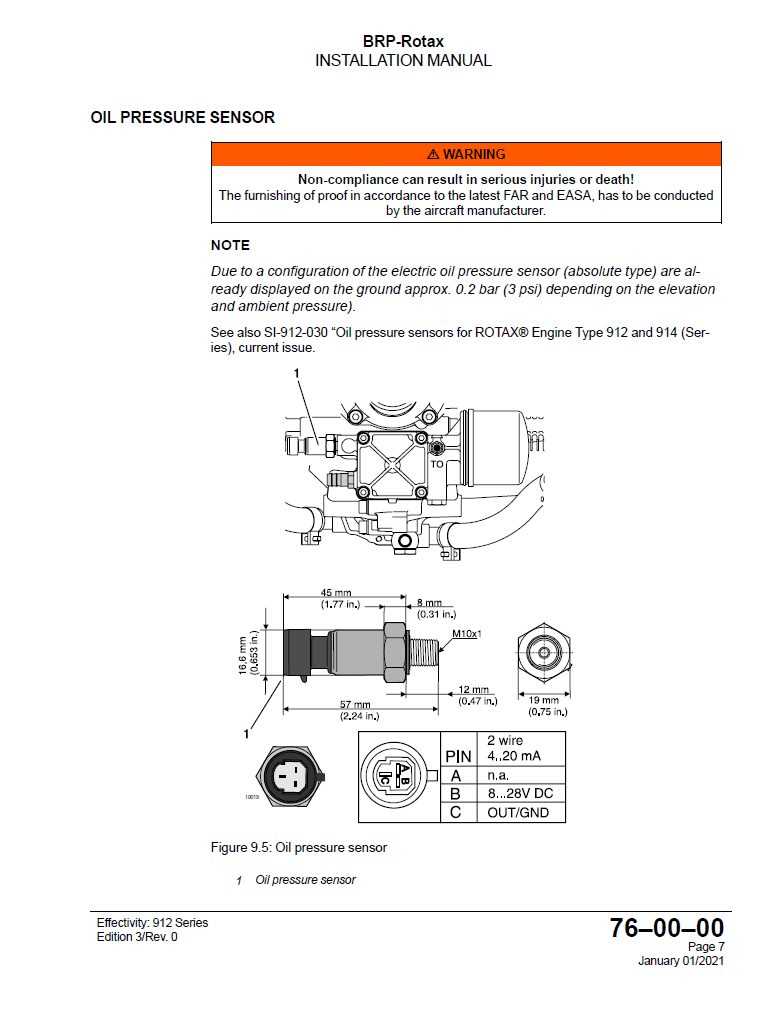
Ensure the main feed is connected directly to a stable 12-volt source to prevent fluctuations that could trigger false readings. Use a fused link rated at 10 amps to protect both the sensor and the gauge or indicator system.
Identify the grounding point on the engine block and secure the negative lead with a ring terminal and lock washer. A loose ground can cause intermittent signals or failure of the warning light to illuminate correctly.
Attach the secondary terminal to the dashboard indicator or gauge input. Confirm that the connection maintains continuity under vibration by testing with a multimeter before finalizing the mounting.
Check all insulation and routing of leads to avoid contact with hot manifolds or moving parts. Routing along existing harnesses with heat-resistant loom prevents shorts and extends the life of the installation.
Complete Guide to 2 Terminal Engine Sensor Connections
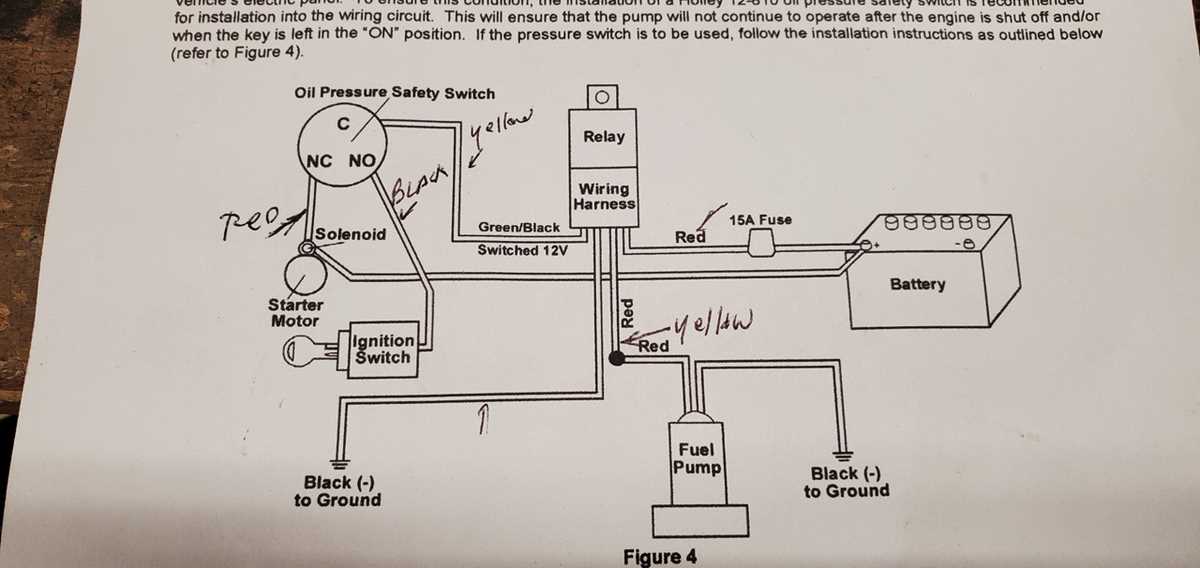
Connect the primary lead directly to a fused 12-volt supply rated at 10 amps to avoid voltage drops and protect the sensor from overload. Confirm the feed remains stable under engine load by testing with a multimeter.
Secure the secondary lead to the instrument cluster input using a ring terminal and lock washer. Ensure the connection maintains continuity even when the vehicle experiences vibration or sudden movements, preventing false readings or warning light failures.
Establish a clean ground at the engine block or chassis point. Clean the contact area to bare metal, tighten firmly, and check resistance to confirm a strong return path, which is critical for accurate signal transmission.
Route leads away from heat sources and moving components using heat-resistant sleeving or conduit. Proper routing prevents insulation degradation, reduces the risk of shorts, and ensures the sensor delivers consistent signals over time.
Identifying Power and Ground Terminals on a 2 Terminal Engine Sensor
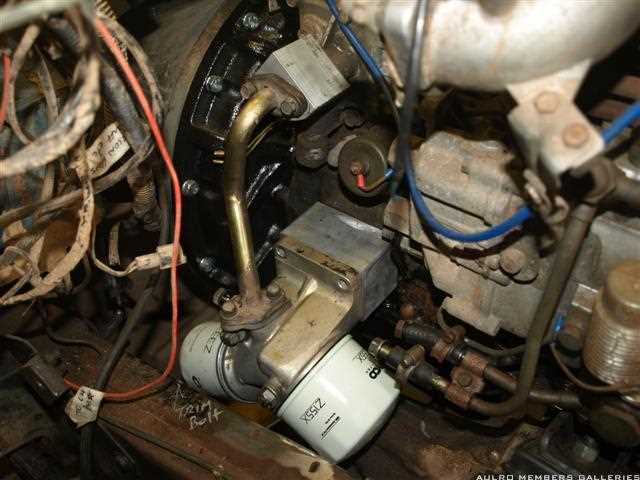
Locate the positive input terminal first by referencing the manufacturer’s markings or colored tabs. Typically, the feed connection is marked with a red or orange indicator and should be connected to a fused 12-volt source rated between 5 and 10 amps.
Confirm the return terminal using a multimeter set to continuity mode. Touch one probe to the suspected ground point and the other to the engine block or chassis. A reading of near zero ohms ensures the correct identification of the ground lead.
Check the terminals visually and mechanically before making connections. Look for corrosion, paint, or debris that could prevent secure contact. Tighten any fasteners or clips firmly but avoid over-torquing, which can damage threads or terminals.
Use proper routing and insulation for both terminals to prevent contact with hot components or moving parts. Loop excess leads to minimize stress, and consider protective sleeving to reduce wear, ensuring consistent signal performance over time.