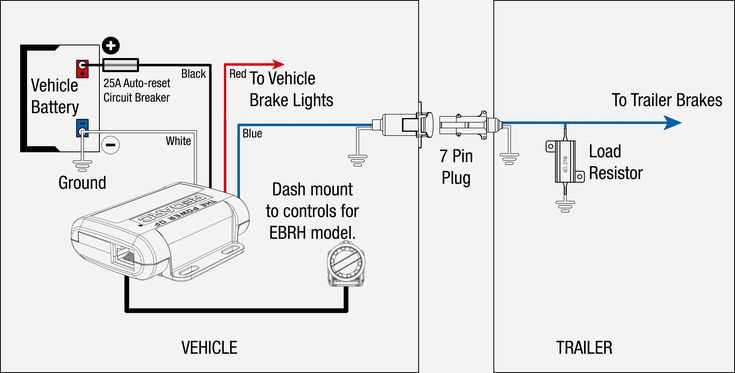
For a seamless connection between your vehicle and the equipment, it’s crucial to understand the pinouts and setup requirements of your towing harness. Accurate connection is key to ensuring that your lights, brakes, and signals function correctly while on the road.
Begin by checking the pin configuration to identify the correct functions for each lead. This step prevents issues with short circuits and ensures that each wire is routed to the proper component for maximum performance.
Ensure that you inspect your setup for any damage or wear. Over time, connections can degrade, especially under heavy load conditions. Regular checks will help identify and fix potential faults before they become significant problems.
Next, follow the installation instructions closely, as proper insulation and grounding are vital for both safety and reliability. With the right setup, your connections will be robust and reliable, allowing you to tow with confidence.
Electrical Setup for Your Towing System
Start by ensuring you have the correct connection pins and connectors for your towing system. These are critical for ensuring that all electrical components work seamlessly, from lights to braking systems.
Before beginning installation, check for any existing damage to the cables. Wear and tear from prolonged use can cause short circuits or other failures, leading to malfunctions. If any wires are frayed, replace them immediately.
Next, properly connect the ground wire to the vehicle’s frame. This is the most important step in preventing power surges and ensuring the safety of the entire system. Make sure the contact point is clean, rust-free, and tight.
For the power leads, ensure you are using the correct gauge wire. Using too thin a wire can cause excessive heat buildup, while using too thick a wire can be unnecessarily bulky and harder to route. Match the wire gauge to the amperage requirements of each component.
Carefully route the power cables through secure paths, avoiding sharp edges or areas where they may be pinched or exposed to excessive wear. It’s best to secure cables with zip ties or clips to keep them in place during transit.
Once all components are connected, test each feature to ensure everything functions correctly. Start with the lights and then check the brake system and turn signals. If any components aren’t working, double-check the connections and inspect for any loose or damaged wires.
It’s also important to use proper insulation to protect the wires from moisture, dirt, and debris. This will extend the lifespan of your system and reduce the risk of corrosion or electrical shorts.
Lastly, regularly check all connections and cables for signs of wear and tear. A quick inspection can prevent larger issues, ensuring that everything remains in working order for longer periods.
Understanding the Pinout for Big Tex Trailer Connections
Begin by familiarizing yourself with the standard pin configuration for most towing setups. This typically involves a 7-pin connector with the following functions:
- Pin 1 – Ground
- Pin 2 – Left Turn Signal
- Pin 3 – Right Turn Signal
- Pin 4 – Tail/Marker Lights
- Pin 5 – Brake Lights
- Pin 6 – Reverse Lights
- Pin 7 – Electric Brakes
Knowing which pin corresponds to each function is crucial for ensuring proper connections. Properly attaching each wire ensures safety and prevents malfunction during operation. If unsure, always consult the vehicle or component’s manual to verify the pinout configuration before starting installation.