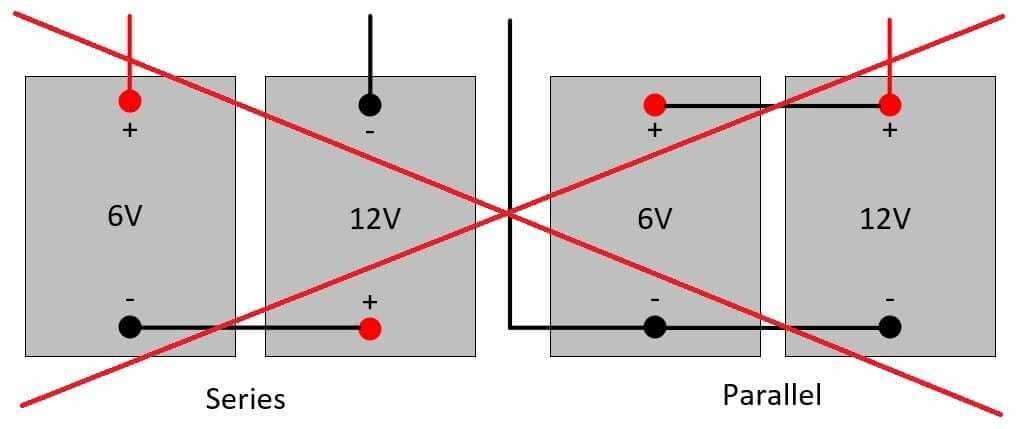
Start by ensuring that each power unit has the same voltage rating. Connecting power sources with differing voltage ratings can cause imbalances that may lead to system failure. For this setup, the voltage remains constant across all units, but the capacity increases in direct proportion to the number of sources connected.
To wire them together, connect all positive terminals of the units to one common positive point and all negative terminals to a common negative point. This ensures that the electrical flow is divided equally between the units, maximizing efficiency and output. Use wires of sufficient gauge to handle the total current without overheating or excessive voltage drop.
Once connected, verify the total output by measuring the voltage and capacity across the terminals. This method provides a clear understanding of how each source contributes to the overall system. Check for any issues such as poor connections or imbalances in output, which could indicate faulty connections or damaged power units.
Wiring Multiple Power Units for Increased Capacity
To connect multiple power sources to increase output capacity, begin by ensuring that each source has the same voltage rating. If there’s any variance, it could lead to uneven power distribution, causing some sources to overheat or fail. Ensure that all sources are properly insulated to prevent short circuits.
The first step is connecting the positive terminals of all power units to one common positive point. Similarly, connect the negative terminals to one shared negative point. This configuration guarantees that the voltage stays consistent across the system, while the total available current is the sum of the individual power supplies.
Understanding the Total Output
Once the connections are made, use a multimeter to measure the voltage and current. The voltage across the system should remain the same as one individual source, while the total current capacity will increase based on the number of units in use. This allows you to power devices that require more current without increasing the voltage.
For best results, ensure that the wires used to connect the sources are thick enough to handle the combined current. If the wires are too thin, it could lead to overheating and potential damage to the wiring. Always verify the gauge of the wire before proceeding with the connections.
Troubleshooting and Safety Checks
If any issues arise, such as uneven power distribution or overheating, check for faulty connections or damaged wires. A common problem can be poor soldering or loose connections, which disrupt the flow of current. Always double-check each connection and tighten any loose points to ensure a stable power flow.
Another point of attention is the ground connections. If the grounds are not properly connected, it can lead to malfunction or even electrical shocks. Be sure to connect all ground terminals securely and check for any grounding issues that could affect the performance of your system.
How to Connect Multiple Power Sources in Parallel
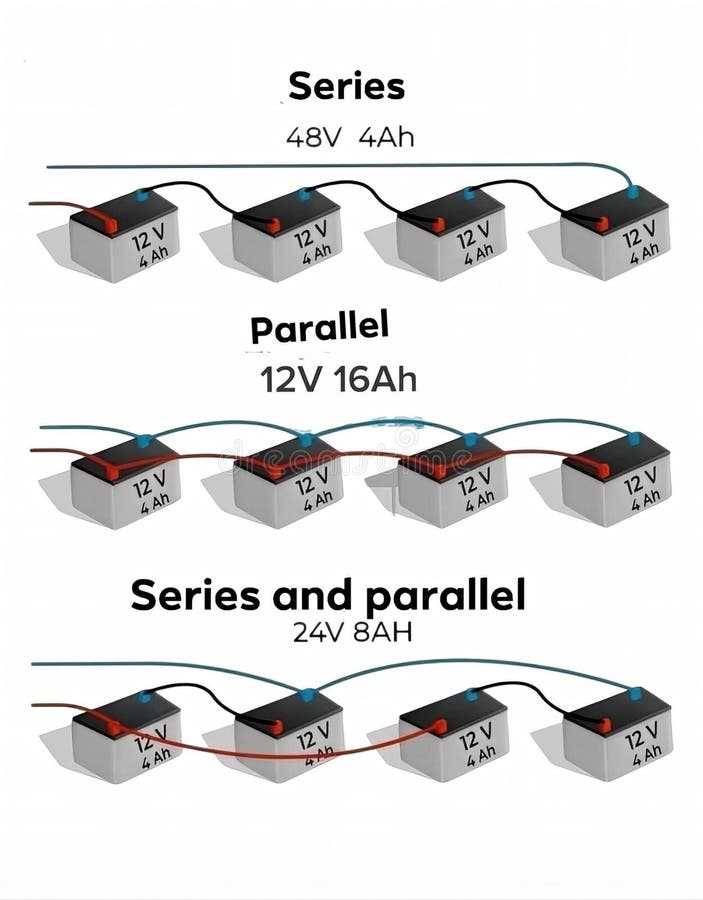
Start by ensuring that each power source has the same voltage rating. If the sources have different voltages, the system will not function correctly and could cause damage to the components. Use only sources that are designed for the same type of application to prevent power imbalances.
Next, connect all the positive terminals of the power sources to a common positive point. Similarly, connect all the negative terminals to one common negative point. This configuration allows the current from each unit to combine while keeping the voltage constant across all sources, resulting in increased capacity without altering voltage.
Wire Gauge and Connections
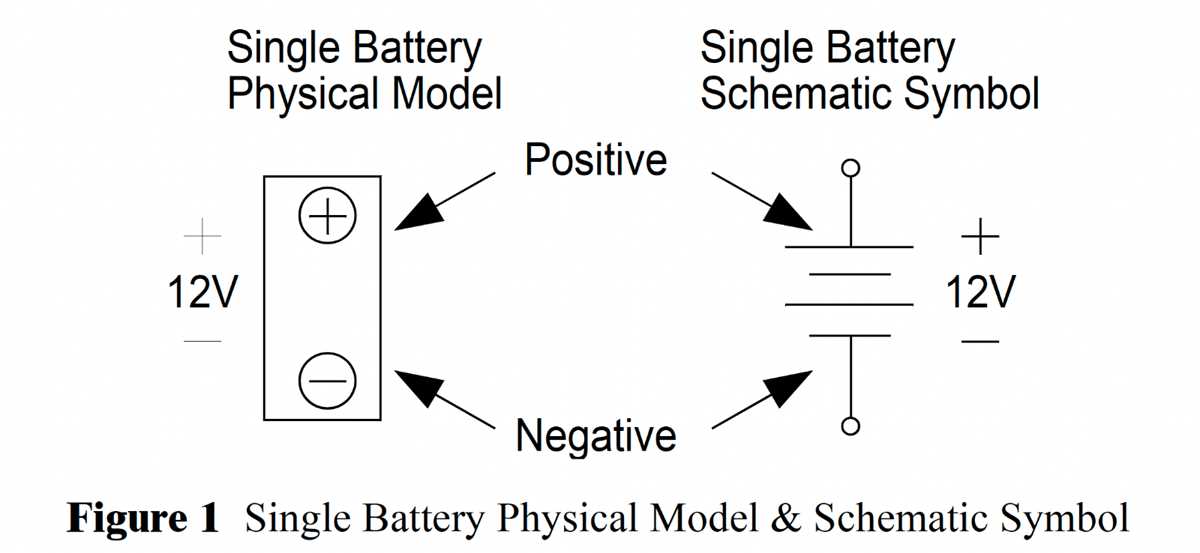
When connecting the power sources, ensure the wire gauge is appropriate for the total current. Using wires that are too thin can cause excessive heat buildup, leading to potential failure or fire hazards. Choose wires with a gauge that can handle the combined current from all the power units in use.
Testing the Setup
After connecting the power sources, test the setup using a multimeter to ensure that the voltage remains consistent and the current is properly distributed. If any source is underperforming, double-check all connections and ensure there are no breaks in the wiring or poor connections.