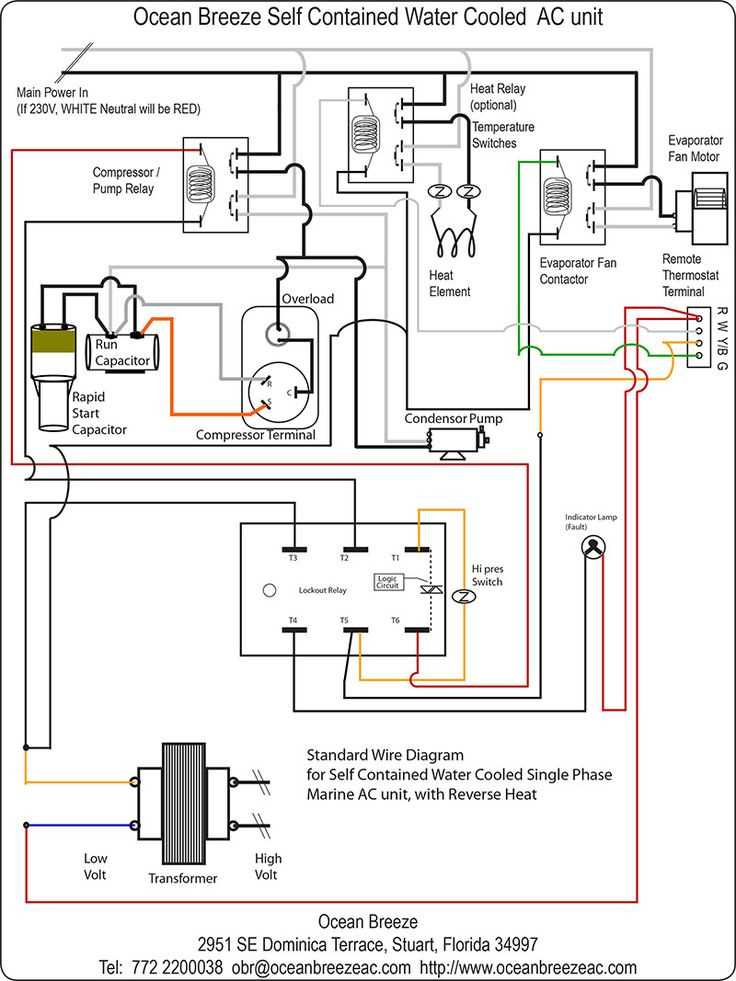
Use color-coded leads for the main power and control lines to prevent accidental cross-connections. Red typically indicates line voltage, while blue or yellow should be reserved for signal circuits. Ensure all terminals are firmly secured and free of oxidation before energizing the unit.
Verify coil voltage against the label on the switching device. Applying incorrect voltage can cause overheating and premature failure. For 24V control systems, always confirm the transformer output with a multimeter prior to installation.
Route conductors along insulated channels to minimize electromagnetic interference with thermostat sensors. Maintain at least a 2-inch separation from high-current lines to avoid false triggering or nuisance trips during operation.
Install a protective fuse or breaker inline with the main supply. This prevents damage to both the relay and the compressor motor in the event of a short circuit or power surge. Choose a rating slightly above the motor’s running current but below the wiring insulation limit.
Double-check auxiliary contacts before connecting load circuits. Miswiring the auxiliary relay can prevent proper fan or compressor engagement and may trip the system’s safety controls.
Air Handling Relay Setup Instructions
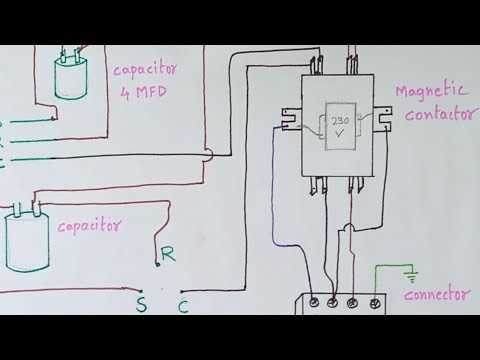
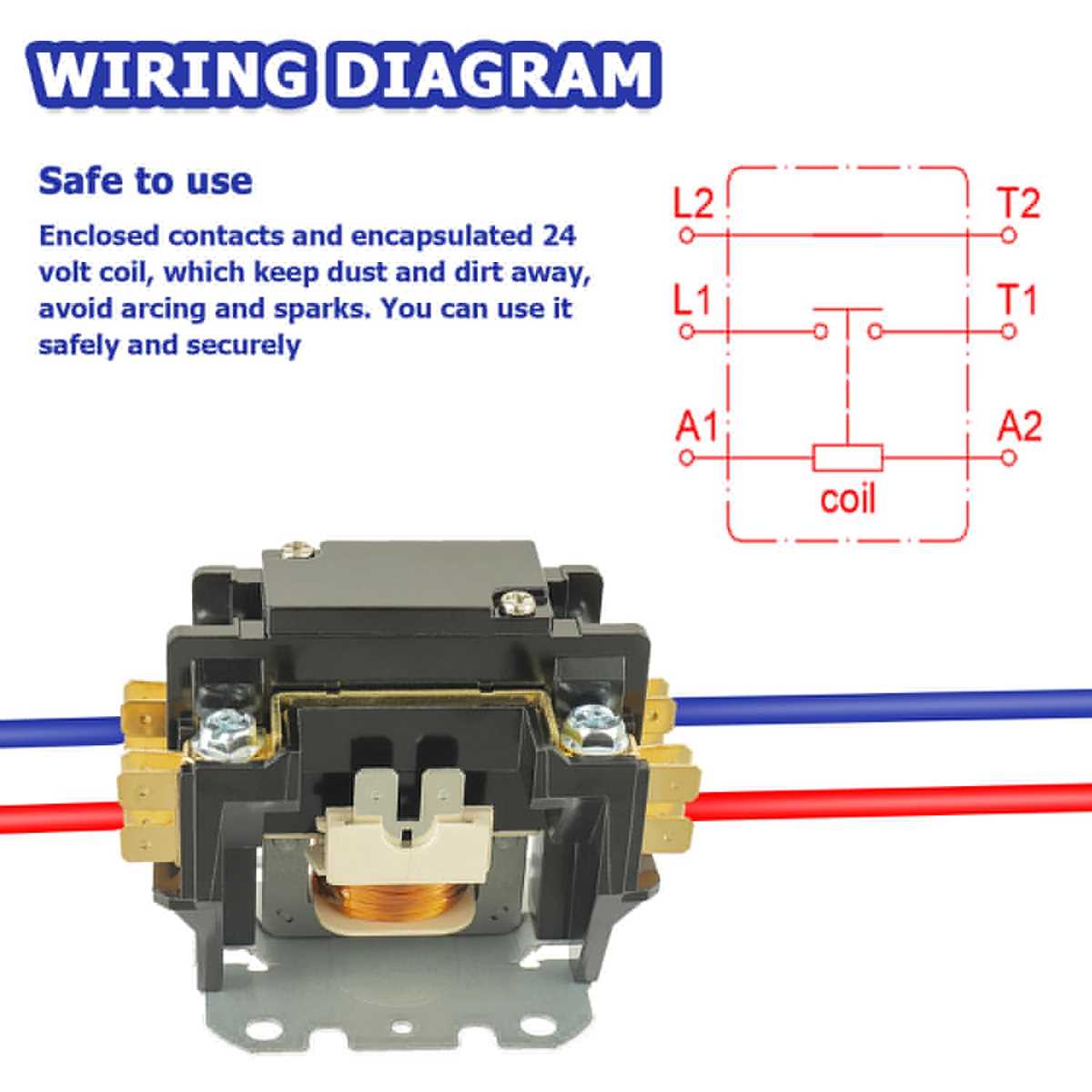
Connect the main power leads directly to the relay’s input terminals rated for 240V, ensuring the line and neutral are correctly oriented. Use 14-gauge copper conductors for runs under 50 feet; if the distance exceeds this, upgrade to 12-gauge to prevent voltage drop. Insert a thermal fuse between the supply and coil to protect against overloads, and verify the auxiliary contacts switch at the load’s rated amperage. Double-check that the control circuit engages the relay only after the safety thermostat closes, preventing premature activation of the compressor or fan motor.
For the secondary control loop, link the signal output from the thermostat to the coil’s activation side, incorporating a 5-amp fast-blow fuse to safeguard the electronics. Label each terminal clearly: L1, L2, T1, T2, and auxiliary NO/NC points to simplify future troubleshooting. Keep the relay mounted on a vibration-free panel, away from moisture or metallic dust, and secure all screw terminals tightly to avoid arcing. Test continuity with a multimeter before energizing the system, confirming the load engages only when the control voltage is applied and releases immediately when the signal is removed.
Identifying Contactor Terminals and Power Connections
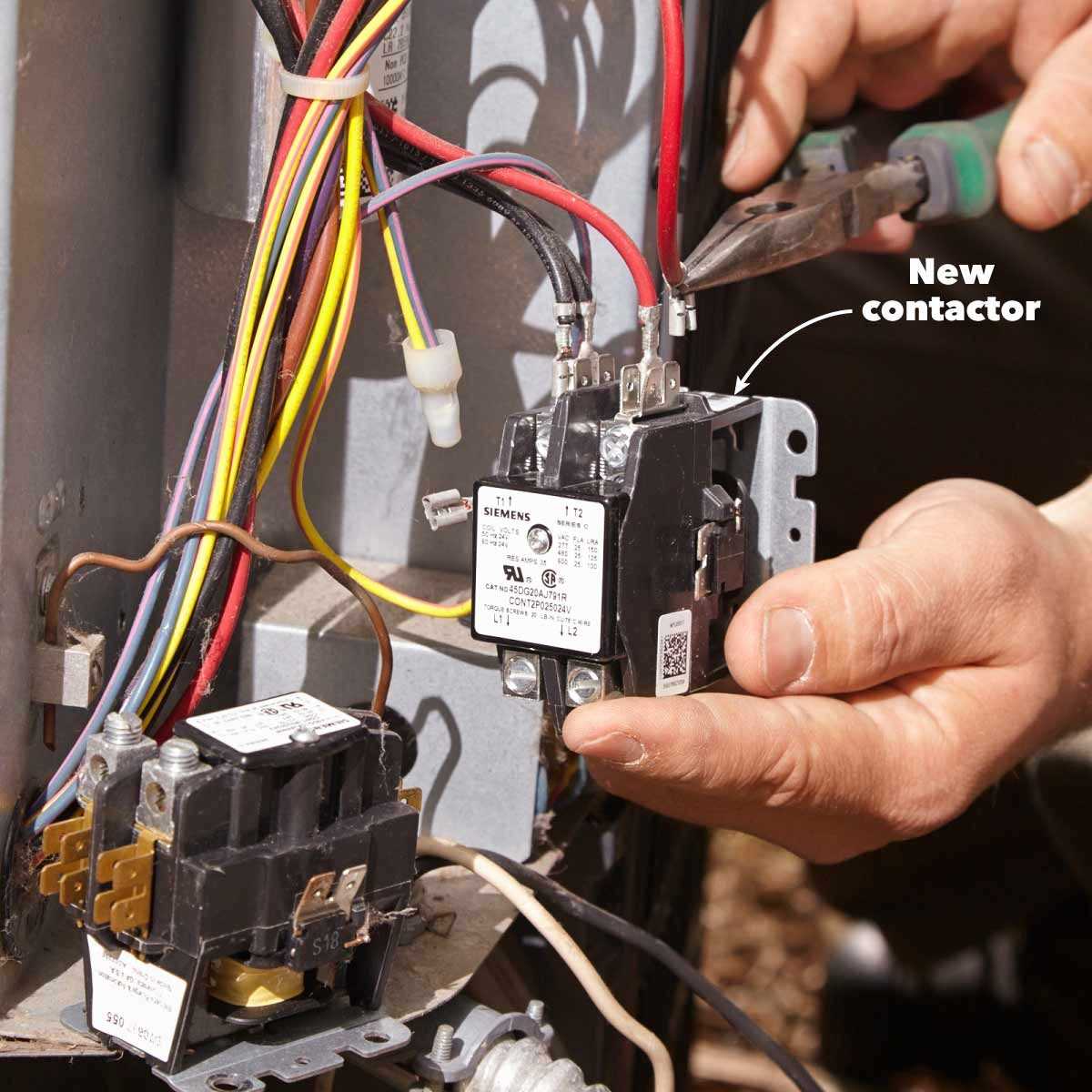
Connect the main power lines directly to the L1, L2, and L3 input terminals, ensuring each conductor is firmly secured under the screw clamps. The load terminals, usually labeled T1, T2, and T3, should correspond exactly to the compressor or motor leads. Verify terminal markings before energizing to prevent phase mismatch or short circuits. Use a multimeter to confirm continuity between the coil terminals and control circuit connections, typically marked A1 and A2.
Follow this sequence for precise identification:
- Locate the coil inputs (A1, A2) and measure resistance; typical small contactors show 20–60 ohms.
- Trace power lines from the breaker to the main terminals; label each conductor for reference.
- Check auxiliary contacts if present (NO/NC) for proper signal routing.
- Confirm the orientation of the mechanical linkage to ensure that when the coil energizes, the contacts close fully without misalignment.
- Inspect the terminal blocks for corrosion or loose screws, which can increase resistance and heat.
Accurate identification reduces downtime and prevents damage to the compressor or motor. Keep a detailed photo record of connections before disconnecting any wires for maintenance or replacement.